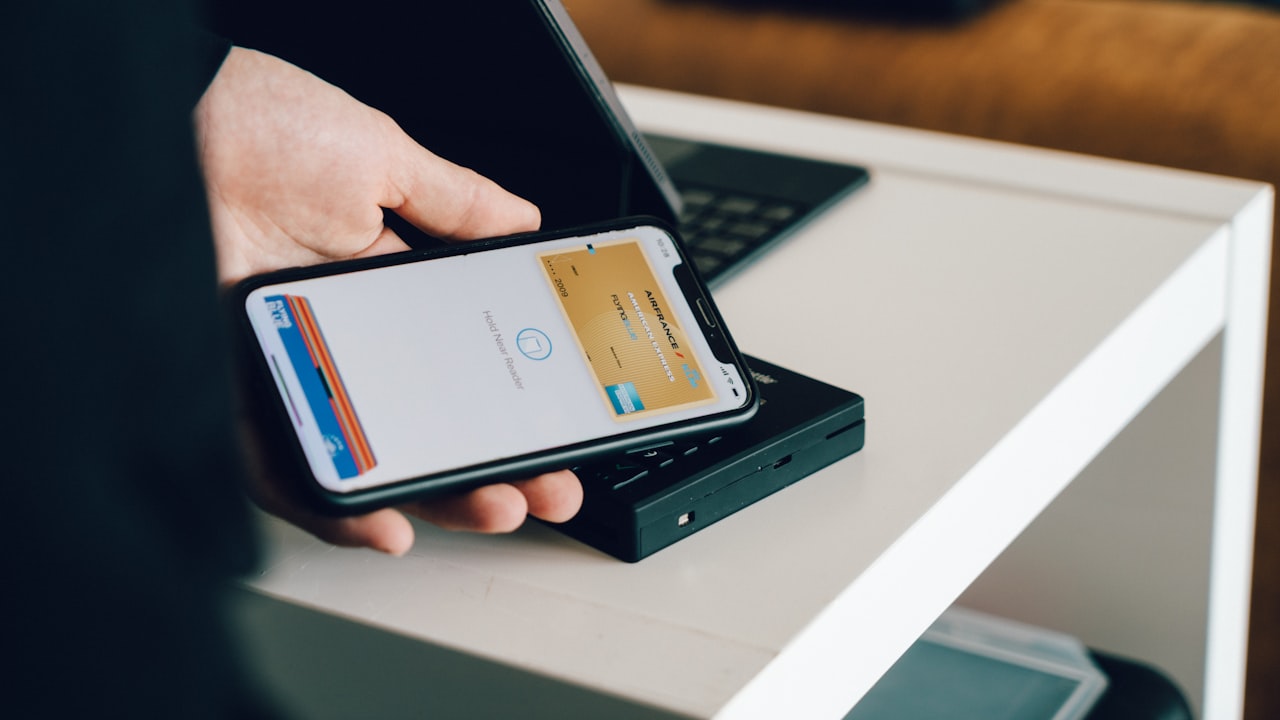
Can Ether.fi Cash Work Without ETH?
Yes — ether.fi Cash does not require ETH to operate. You can load your card balance with any supported stablecoin (USDC, USDT, DAI), or fund it from exchanges that support direct card top-ups. The card itself is blockchain-agnostic; it simply pulls from whatever balance you hold in your ether.fi account.
Signal: If you own stablecoins and want to spend them directly without converting to fiat first, ether.fi Cash is a practical solution. The card processes transactions on Visa rails, so the underlying crypto asset doesn’t matter — only the balance.
Why does this matter? Most crypto cards have restrictions:
- Some require a minimum balance in a specific token.
- Others force conversion to an intermediary stablecoin before spending.
- Still others demand you hold the card issuer’s native token for benefits.
ether.fi Cash is different. You maintain custody of your assets in your ether.fi wallet, and the card draws down your balance at the time of purchase. If your balance is in ETH, USDC, or even a smaller altcoin, the card will process the transaction by converting to the merchant’s currency (typically USD, EUR, or GBP) at the time of the Visa transaction.
Why it matters: This flexibility means you’re not locked into a single asset. If you believe ETH will appreciate, you keep it staked. If you prefer stablecoins for predictability, you use those. The card adapts to your portfolio, not the other way around.
How Is a Crypto Card Different From a Bank Card?
Crypto cards and bank cards look identical to the merchant, but the backend is fundamentally different.
Key: Bank cards hold your money in the bank’s vault. Crypto cards let you spend directly from your own wallet. You never give up custody.
Here’s what that means in practice:
- Custody: Bank holds your money. ether.fi? You hold your crypto.
- Settlement: Banks use ACH (1–3 days). Crypto cards: instant Visa clearance.
- Conversion: Banks charge 1–3% + fixed fees. ether.fi: 0% on USD/EUR, 1% elsewhere.
- Spending power: Banks lend you money (you pay interest). Crypto cards use your assets (no debt).
- Censorship risk: Banks can freeze accounts. With crypto cards, you control the keys.
Risk: Custody is powerful but requires security discipline. If your wallet is compromised, your card balance is at risk. Bank accounts are FDIC-insured up to $250k; crypto is not.
This also explains why crypto cards don’t work like “prepaid” debit cards. You’re not loading money into a card company’s vault — you’re authorizing spending from your own wallet.
What Crypto Card Does Not Require KYC?
This is the hard truth: Most regulated crypto cards require KYC. ether.fi Cash is no exception.
Key metric: ether.fi requires:
- Phone OTP verification.
- Government ID (passport, national ID, or driver’s license).
- Liveness selfie (confirms you match the ID).
The KYC step typically takes 5–15 minutes and must complete before your first card activation.
Watch: Some smaller or unregulated platforms claim “no KYC crypto cards,” but they often operate in gray zones or prohibit certain countries. ether.fi’s KYC compliance means:
- MiCA compliance in the EU (safer for European users).
- Regulatory clarity in 76 countries.
- Lower fraud risk (which translates to lower card fees for you).
Alternative: If you absolutely reject KYC, you can use privacy-focused assets (Monero, Zcash) on non-custodial wallets — but those don’t have card products. The trade-off is simple: regulated crypto cards = KYC; unregulated or anonymous alternatives = limited merchant acceptance and custody risk.
ether.fi’s position is transparent: compliance enables broader merchant acceptance and lower fees. You trade privacy for utility.
Why Regulated Crypto Cards Require KYC
KYC (Know Your Customer) isn’t unique to crypto. Banks do it. PayPal does it. Even fintech apps require identity verification. The reason:
- AML compliance — governments require financial institutions to prevent money laundering.
- Tax reporting — regulators need to tie transactions to individuals for reporting.
- Fraud prevention — verifying identity reduces chargebacks and disputes.
- Debit network rules — Visa and Mastercard require card issuers to KYC their users.
Why it matters: If ether.fi did NOT require KYC, Visa would revoke the card license. It’s not optional — it’s a Visa requirement.
How to Load Ether.fi Cash Without ETH
Step-by-step:
- Set up your ether.fi account — email, password, phone verification.
- Complete KYC — upload ID, take a selfie (5 min).
- Link a funding source — exchange (Coinbase, Kraken) or self-custody wallet.
- Deposit stablecoins or ETH — USDC, USDT, DAI, or ETH all work.
- Activate your card (virtual or physical).
- Spend. The card converts your balance to the merchant’s currency at the time of the transaction.
Signal: You can even mix assets. If you have $100 in USDC and $100 in ETH, the card will spend whichever you prefer (or both, depending on your card’s settings).
Ready to try it? Open your ether.fi Cash account and start spending crypto today.
What to Watch
- Country eligibility: ether.fi operates in 76 countries but is restricted in 20. Check the official availability page before signing up if you’re outside the US/EU.
- Exchange rate timing: The card converts at real-time market rates at the moment of the Visa transaction. Large swings can cause declined transactions if your balance is insufficient at conversion time.
- Fee structure: Monitor ether.fi’s fee schedule. FX fees may change (currently 0 % USD/EUR, 1 % other currencies).
- KYC approval time: Most users see approval within 5–15 minutes, but delays can occur during high-volume periods.
- Regulatory changes: MiCA (EU) and other crypto regulations are evolving. ether.fi’s availability in your country may change.
Bottom Line
- Yes, ether.fi Cash works without ETH — use any supported stablecoin or token in your wallet balance.
- Crypto cards differ fundamentally from bank cards: you retain custody, spend directly from your wallet, and avoid bank intermediaries. The trade-off is security discipline and KYC compliance.
- KYC is mandatory for ether.fi — like all regulated Visa cards. If you reject KYC, you forfeit regulated card products. Most crypto users accept KYC for the utility and lower fees.
- If you fit the profile (own crypto, want to spend without selling, comfortable with compliance), ether.fi Cash gives you spending power without forced conversions. Get started here.