What Makes a Crypto Card Worth Your Money
The “best” crypto card isn’t one-size-fits-all—it depends on what matters most to you: transaction fees, cashback rate, self-custody, or sheer convenience.
Three factors separate leaders from also-rans:
Factor 1: Custody model. Non-custodial cards (ether.fi, RedotPay, Gnosis Pay) let you hold your own keys—your assets never move to a third party. Custodial cards (Crypto.com, Coinbase) trade self-sovereignty for features and simplicity. Which you pick shapes security, tax reporting, and regulatory exposure.
Factor 2: Cashback structure. Some cards offer fixed cashback (e.g., 1% on everything). Others reward volume with tiered rates or special category bonuses. Some—like ether.fi Cash—combine cashback with staking rewards, so you earn yield AND spend the asset.
Factor 3: Availability. Not all cards ship to all countries. ether.fi Cash is available in 76 countries and 29 US states. RedotPay covers more of Southeast Asia. Crypto.com covers the globe. Geography matters.
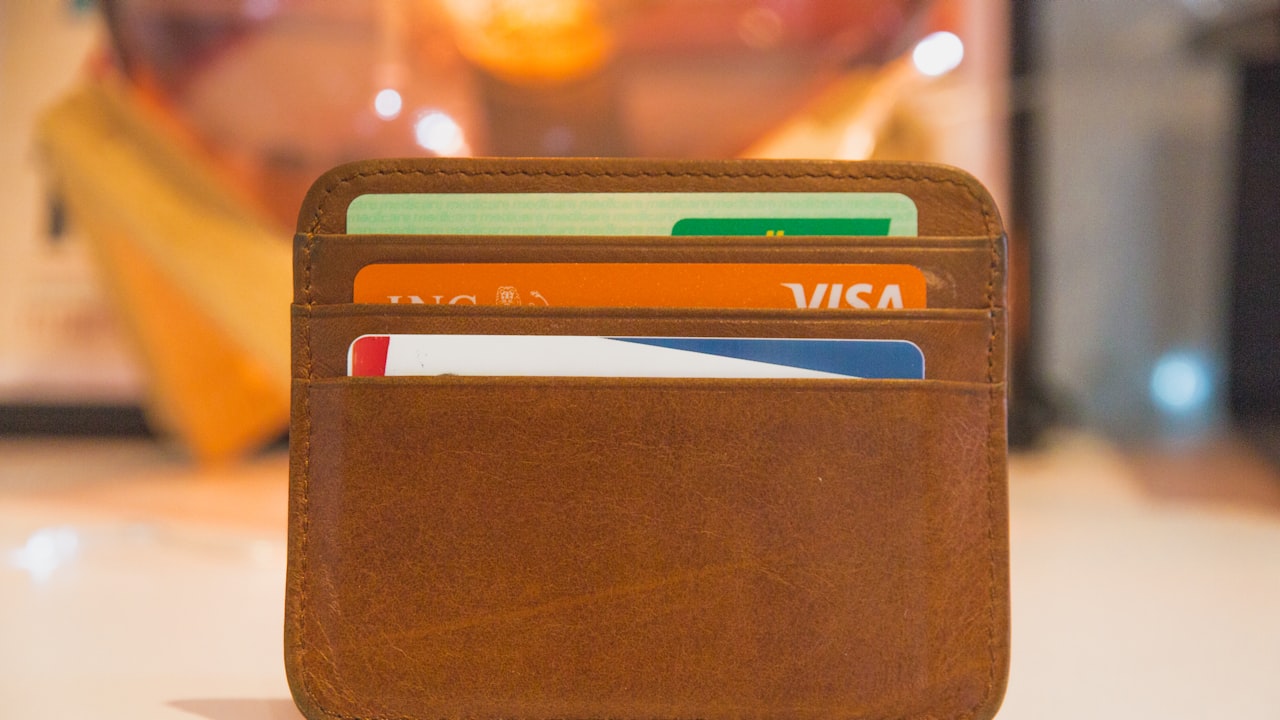
Signal: The shift from pure trading cards (made for frequent CEX buyers) to spending cards (designed for everyday grocery stores, coffee, travel) is the biggest trend in 2026. If you care about real-world utility—not just trading discounts—you’re no longer choosing between “mainstream Visa” and “crypto experiments.” You’re choosing between crypto Visas. The old trade-off (crypto security vs. real-world acceptance) is solved.
ether.fi Cash: The Best Crypto Card for Staking Rewards
ether.fi Cash stands out because it solves a specific problem: How do I spend my staked ETH without unstaking it?
Here’s how it works. You hold ETH in ether.fi’s staking contract (non-custodial—you control the keys). You link a Visa debit card to a balance of stablecoins or liquid ETH. You spend like normal. You earn up to 3% cashback on purchases—while your core ETH continues staking at ~3.5% annual yield.
The math: Spend $10,000/month on groceries, dining, travel. Get $300 cashback per month ($3,600/year). Your staked ETH also yields ~3.5%, so a $100,000 stake pays $3,500/year. Combined: $7,100/year from a single asset. Compare that to a traditional card (maybe 1% cashback = $120/year) plus a money-market fund (5% APY = $5,000/year)—same assets, separate accounts. ether.fi merges them.
Key specs:
-
Standard cashback: 3%
-
FX fees: 0% USD/EUR, 1% others
-
Physical card: free first issuance
-
ATM withdrawal: 2%
-
Custody: 100% self-custodied
Key metric: The 3% cashback + staking combo is unique in the market. RedotPay and Gnosis Pay (non-custodial competitors) don’t offer integrated staking yield. Crypto.com and Coinbase (custodial) take custody of your assets, adding counterparty risk and tax friction. ether.fi splits the difference: you keep custody AND earn staking yield.
Who should pick ether.fi? US, EU, or UK resident with ETH holdings over $10,000. Comfortable with self-custodied accounts. Monthly spend over $1,000. Tax-advantaged jurisdiction (self-custody staking may avoid wash-sale rules).
Who shouldn’t? Residents of prohibited countries (see Risk section). New-to-crypto users (steep learning curve). Very low spend ($0–500/month)—the overhead isn’t worth 3% on tiny volume.
Top Alternatives to ether.fi
RedotPay — 80.7% market share (on-chain, non-custodial)
RedotPay is the volume leader among self-custodied cards. It’s been shipping longer, works in more regions, and offers up to 40% cashback at certain merchants (tiered). Downside: strict KYC, slower physical-card shipping. Best for: high spenders in APAC, users already holding RedotPay.
Crypto.com Visa — The feature giant
Offers cashback tiers up to 8%, metal cards, Loungekey airport access, and insurance. Rock-solid brand recognition and near-universal coverage. Tradeoff: You hold assets in Crypto.com’s custody (counterparty risk), and fee structure is opaque. Best for: new-to-crypto users, travelers wanting airport perks.
Coinbase Card — Simplicity over yield
Spend any ERC-20 token instantly, with up to 4% cashback (in Coinbase rewards). Easiest onramp for US beginners. Tradeoff: Limited to Coinbase-supported tokens; rewards paid in their token. Best for: US-only, Coinbase ecosystem users.
Bybit Card — For the trader
Pairs the exchange with a Visa card, offering 5% cashback plus cumulative rewards from trading. Designed for power users. Tradeoff: US-blocked, complex tier structure, requires ongoing trading volume. Best for: high-activity traders comfortable with custodial risk.

Why it matters: Your choice between ether.fi, RedotPay, Crypto.com, and Bybit depends on three questions: (1) Self-custody or convenience? (2) How much monthly spend? (3) Where do you live, and which tax framework fits? There’s no “best” in a vacuum—only the best fit for you.
How to Pick Your Best Crypto Card
Step 1: Custody model. Self-custody (ether.fi, RedotPay) = more control, higher KYC complexity. Custodial (Crypto.com, Coinbase) = easier onboarding, higher counterparty risk. Which matters more to you?
Step 2: Geography check. Some cards don’t ship to your country or state. ether.fi is unavailable in 21 US states and 20 countries (see Risk section). RedotPay has better APAC coverage. Crypto.com covers most of the world. Cross-check before applying.
Step 3: Spending volume. If you spend $500–2,000/month, all cards’ cashback roughly converges (1–3%). The differentiator is ease-of-use and staking APY (for non-custodial). If you spend >$5,000/month, tiered cashback and premium features start to pay off.
Step 4: Tax jurisdiction. Self-custody staking (ether.fi) may have favorable tax treatment vs. custodial staking (Crypto.com). Consult a tax advisor in your country.
Watch: Choosing the “best” card means accepting its trade-offs. ether.fi’s self-custody model is more complex than Crypto.com’s app. Crypto.com’s features cost more in features/restrictions. RedotPay is riskier if you’re unfamiliar with on-chain operations. There’s no risk-free choice.
What to Watch
- Regulatory change. Crypto cards live in a murky regulatory zone in some countries (EU’s MiCA, US state rules). If your country bans staking rewards or changes FX fee rules, some cards’ advantages evaporate. Monitor your regulator’s blog.
- New card launches. RedotPay 2.0, Gnosis Pay expansions, and Solana Pay partnerships are in flight for H2 2026. Existing cards may lose market share. Re-evaluate yearly.
- Staking yield volatility. ether.fi’s 3.5% APY fluctuates with network conditions. Monitor the ether.fi staking page to ensure the combo (3% cashback + staking) still justifies the card.
- Shipping & KYC delays. Some cards’ physical-card shipping has slowed (30+ days reported). If you need a card for travel, apply 6–8 weeks in advance.
- FX regime change. Some cards waive FX fees on certain corridors (USD↔EUR). If your spend crosses expensive corridors (USD↔GBP, EUR↔JPY), cashback may not offset FX. Verify before signing up.
Bottom Line
The best crypto card 2026 is the one that matches your custody preference, geography, and spending profile.
- If you fit the ether.fi profile (self-custody believer, EU/US/UK based, >$5k staked, monthly spend >$500): ether.fi Cash pays you back in two ways—cashback + staking. Open an account and start earning now.
- If you prioritize features and simplicity: Crypto.com’s Visa tier system, Loungekey access, and global coverage win for travelers and feature hounds.
- If you’re a power trader: Bybit Card ties directly to your exchange wallet—fees and rewards are transparent if you’re already trading daily.
- If you want the volume leader: RedotPay’s 80% market share and up-to-40% tiered cashback make sense if you’re planning high spend and can handle on-chain complexity.