Why Non-Custodial Crypto Cards Matter
The traditional crypto-card flow looks like this: you sell your crypto to a CEX (Coinbase, Kraken, Crypto.com), they hold your fiat balance, they issue you a debit card. That means your crypto is sitting on an exchange during the sale, and your fiat is on their books until you spend it. A non-custodial crypto card inverts that model.
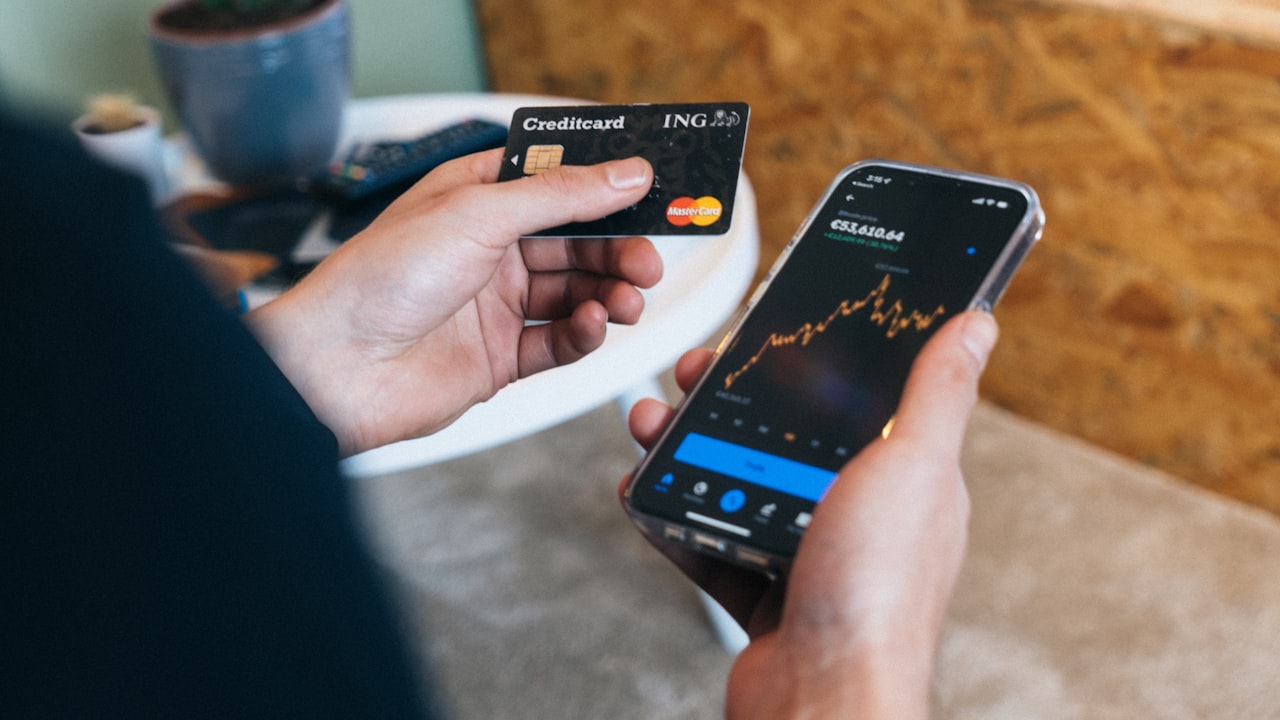
With a non-custodial card, the flow is: your crypto stays in your self-custody wallet → you tap the card → the issuer converts it in real-time → the merchant gets paid in local currency. You never hand your keys to anyone. That separation is the entire value prop—it’s why protocols like ether.fi and RedotPay exist.
Signal: If you hold crypto in a hardware wallet and want to spend it without moving it to Coinbase or Kraken, a non-custodial card is the only product type that lets you do that. Centralized exchange cards (Crypto.com, Coinbase) require you to hold fiat or sell crypto to the exchange first.
Why it matters: Regulatory arbitrage. By not being a custodian of your crypto, non-custodial issuers sidestep some of the heaviest licensing requirements that plague CEX cards. That’s why they can operate in 76+ countries, offer higher cashback (ether.fi goes), and move faster on new features.
Top Non-Custodial Crypto Cards (May 2026)
RedotPay — The market leader
- Cashback: Up to 40% tiered (card-order + transaction fees) + 10% sub-affiliate.
- Volume: $5.1B YTD (80.7% of on-chain card spending).
- Speed: Card-order bonus paid instantly; transaction rewards +30 days.
- Custody: Full non-custodial; integrates with MetaMask, Ledger, WalletConnect.
- Limit: Tiered monthly caps; Tier 1 = $2k/mo.
- FX: Variable; check app for real-time rates.
- Use case: High-volume spenders maximizing tier climb (500+ referrals unlocks 40% commission).
Key metric: RedotPay captures 8× more on-chain volume than its nearest competitor.
Ether.fi Cash — Best for ETH stakers + self-custody first
- Cashback: Up to 3% base.
- Volume: $405M YTD (6.4% on-chain share).
- Speed: Virtual card in minutes; physical card 15+ business days.
- Custody: Full non-custodial; you hold keys, issuer processes conversion only.
- FX: 0% on USD/EUR, 1% on all other pairs (best-in-class for USD/EUR spenders).
- Bonus: No KYC for virtual card—OTP + liveness check only. Physical card requires full KYC (passport + address).
- Yield angle: Marketed as “yield while spending”—your staked ETH keeps earning APY while you use the card.
- Tier: Core tier ($2k/mo), Luxe ($10k/mo), Pinnacle ($50k/mo).
- Geo: Supported in US (29 allowed states), UK, EU (excluding NL/FI/EE), LATAM, APAC (76 countries total for physical shipment).
- Use case: ETH stakers who want to spend self-custody ETH without selling it, especially in USD/EUR zones.
Risk: Not available in Netherlands, Finland, Estonia, or 21 US states. If blocked, pivot to Crypto.com or RedotPay instead.
Cypher — For multi-chain flexibility
- Cashback: 4.7% typical (on-chain).
- Volume: $297M YTD.
- Custody: Non-custodial; integrates with DeFi wallets.
- Chains: Ethereum, Polygon, Arbitrum support.
- Use case: Users who want to spend stablecoins from L2s without bridging to Ethereum mainnet.
Gnosis Pay — For EU DeFi natives (B2B pivot)
- Status: Direct affiliate program closed (2025). Route via Zeal (EU) or Picnic (Brazil) only.
- Cashback: Historic €30/active (ended).
- Custody: Non-custodial via WalletConnect.
- Shift: Now focused on business payments, not consumer affiliate.

Alternative: If you’re in the EU and Gnosis is unavailable, ether.fi Cash remains the top non-custodial option for personal spend.
Comparing Non-Custodial vs. Custodial Crypto Cards
Non-custodial (this category):
- Your keys stay in your wallet.
- Issuer is a payment processor, not a money transmitter.
- Lighter regulation → faster approval, more countries.
- Typically lower KYC friction (ether.fi skips it for virtual cards).
- Conversion happens at point-of-sale, not pre-funded.
Custodial (Crypto.com, Coinbase, Kraken):
- You deposit crypto → they hold it + issue fiat balance.
- They’re regulated money transmitters (heavy licensing).
- Faster settlement (fiat is pre-funded).
- Higher limits + more reward tiers.
- Less privacy; issuer knows your balance.
Signal: If you care about self-custody, non-custodial is the only option. If you want simplicity + high limits + feature richness, custodial CEX cards often win. Non-custodial cards require you to trust that the issuer’s conversion rate is fair—you’re not trusting them with your crypto, but you are trusting their FX spread.
How to Choose: Decision Matrix
| If you… | Pick… | Why |
| Maximize cashback + high volume | RedotPay | 40% tiered, 80% on-chain volume = best merchant support | | Want multi-chain (Polygon/Arbitrum) | Cypher | Spend stables on L2, no mainnet bridging | | In EU, non-custodial required | ether.fi Cash | Only top-tier option post-Gnosis B2B pivot | | Outside supported regions | Crypto.com | Fallback custodial card, highest country coverage |
Why it matters: Non-custodial card choice is geography + chain + payment frequency. No single card wins all categories.
What to Watch
- Regulatory clarity on non-custodial issuer licensing (H2 2026). The EU’s MiCA framework applies to payment institutions, but the category is still gray—watch for guidance from EBA (European Banking Authority) on whether conversions from self-custody count as “holding” crypto. If regulators crack down, issuers may require full KYC for virtual cards (ether.fi’s current advantage) or reduce country coverage.
- RedotPay Tier-1 limits expansion. Currently $2k/mo; if they raise that to $5k+, it becomes the mainstream pick over ether.fi. Monitor RedotPay’s blog for tier updates.
- Staking yield on ether.fi card balance. ether.fi’s core angle is “yield while spending”—if they enable staking rewards on the card’s ETH balance itself (not just the underlying), conversion rates improve and the card becomes sticky for ETH holders.
- MiCA compliance deadline (Dec 2024 passed; enforcement begins now). CEX and non-custodial cards both affected. Expect geoblocking of unsupported regions to tighten in Q2–Q3 2026.
- Cross-chain interop (Uniswap x / Across). If non-custodial cards start supporting atomic swaps (e.g., spend USDC on Polygon, auto-swap to USD, zero bridging), friction drops and adoption accelerates.
FAQ
Q: Can I use a non-custodial crypto card for recurring payments (subscriptions)?
A: Most non-custodial cards work for one-time spend only. Recurring requires the issuer to hold your keys in escrow for the subscription window—which defeats the non-custodial model. Workaround: use a custodial card (Crypto.com) for subscriptions, non-custodial card for taps.
Q: What happens if the card issuer shuts down?
A: Your crypto never leaves your wallet, so it’s safe. You just lose access to the card product. The issuer’s failure doesn’t affect your keys or balances.
Q: How fast does conversion happen?
A: Real-time. When you tap the card, the issuer executes a market order (or pulls from a liquidity pool) and sends the fiat settlement to the merchant within milliseconds. You see the debit in your wallet in seconds.
Q: Is there a minimum spend or balance?
A: Depends on the card. Ether.fi has no minimum (spend $1 if you want). RedotPay has tier-based monthly limits ($2k Core, $10k Luxe, $50k Pinnacle). Check your card’s terms.
Q: Can I withdraw cash at ATMs?
A: Yes, but with a surcharge. Ether.fi charges 2% ATM fee. RedotPay charges variable. Always avoid ATM withdrawals unless urgent—it’s the most expensive way to cash out.
Q: What if my country isn’t supported?
A: Non-custodial cards are only available in 76 countries (ether.fi) or ~180+ (RedotPay, on-chain). If you’re blocked, your fallback is a custodial card like Crypto.com or Bybit, which operate in 130+ countries (with restrictions in some regions).
Bottom Line
- Non-custodial crypto cards are the only way to spend self-custody crypto without bridging to a CEX—your keys never leave your wallet.
- If you hold staked ETH and spend in USD/EUR: Ether.fi Cash is the standout. Get started here.
- If you’re maximizing cashback across all chains: RedotPay wins on sheer volume ($5.1B YTD) and tier structure (up to 40%). Best for high-volume spenders.
- If you’re outside ether.fi/RedotPay’s service area: Pivot to a custodial alternative like Crypto.com or Bybit—you’ll trade self-custody for wider coverage.
- Watch the regulatory environment. MiCA compliance is real-time; geoblocking will tighten in 2026. Act now if you’re in a supported region.
Risk & Disclosure
DefyCard publishes affiliate-linked reviews; we may earn a commission when you sign up through our links. Non-custodial crypto cards are offered by payment processors, not banks—they’re not FDIC insured. Crypto asset prices are volatile; if you spend stablecoins (USDC, USDT), price volatility is minimal, but conversion spreads vary by issuer and market conditions. Always verify your card’s country availability before signing up—ether.fi doesn’t serve 20 countries or 21 US states. For the most current list, check ether.fi’s help center.