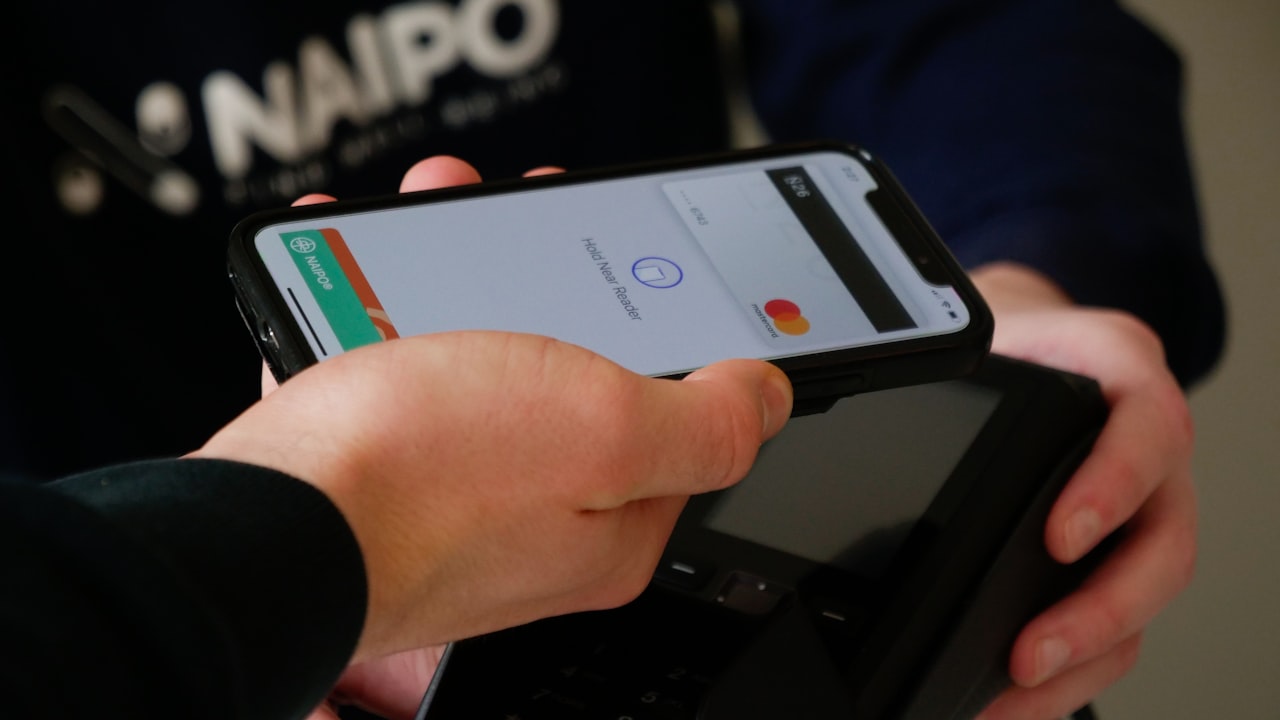
Do Crypto Cards Charge Interest?
Crypto cards don’t charge interest because they’re spending cards, not lending products. You won’t pay interest on balances, and you won’t earn interest on funds held in your crypto card account—the value comes from cashback rewards and staking benefits instead.
Signal: If a crypto card advertises “interest earnings,” it’s likely describing a separate staking or savings feature, not the card itself. Read the fine print to distinguish between card rewards and protocol-layer yields.
Unlike traditional credit cards, which charge 15–25% annual interest on carried balances, crypto cards operate on the blockchain and eliminate that revenue model. Instead, issuers rely on payment network fees (from merchants) and staking protocol incentives. This is why ether.fi Cash can offer up to 3% cashback without asking you to carry debt.
How Crypto Card Fees Actually Work
While crypto cards don’t charge interest, they do have other fees you should know about:
- Foreign exchange (FX) fees: The biggest cost for international transactions. Most crypto cards charge 1–2% per transaction. ether.fi Cash stands out with 0% FX on USD and EUR, and only 1 % on all other currencies.
- ATM withdrawal fees: Typically 2–3% per cash advance. ether.fi Cash charges 2 %.
- Card issuance: Some cards charge $40–$100 upfront. ether.fi Cash offers the virtual card free and charges a $40 refundable deposit for the physical card.
- Monthly or annual fees: Most modern crypto cards (ether.fi, Crypto.com, RedotPay) have no monthly subscription.
Why it matters: A 1% FX fee compounds quickly on international spending. If you travel or make cross-border payments regularly, a card with 0% FX saves hundreds per year. This is ether.fi Cash’s strongest edge for EU and international users.
Key metric: On a €1,000 EUR transaction, a 1% FX fee costs you €10 (~$11 USD). ether.fi Cash costs €0 because EUR is in the 0% FX group.
Can Crypto Cards Be Used Internationally?
Yes—can crypto card be used internationally? Absolutely. Crypto cards run on Visa or Mastercard rails, so they work wherever those networks are accepted (groceries, restaurants, online, ATMs). The question is whether your specific card is available in your country.
ether.fi Cash is available for personal use in 76 countries and territories, including the UK, EU (except Netherlands, Finland, Estonia), US (29 states), Canada, Mexico, LATAM, Singapore, Japan, Hong Kong, Australia, and more. Physical card shipping covers most of those regions.
Signal: If you’re in a prohibited jurisdiction (Russia, China, India, Venezuela, Turkey, etc.), ether.fi Cash won’t work. Consider RedotPay, Crypto.com, or Bybit Card instead—but verify their specific country eligibility first.
When you swipe a crypto card abroad, the card network (Visa/Mastercard) automatically converts crypto to the local currency at real-time rates, then the merchant settles in their local currency. This is where FX fees bite. ether.fi’s 0% FX on USD/EUR means you avoid the markup entirely for those currencies.
Watch: Some countries have regulatory restrictions that exclude certain cards. Before signing up, check the issuer’s official country list—it’s your source of truth.
Do You Need to Stake to Use a Crypto Card?
No—but it depends on the card. ether.fi Cash requires no staking to activate or use the card. You fund it with ETH or another supported asset, and you’re ready to spend.
Other cards have different models:
- Crypto.com Card: Can you use Crypto.com card without staking? Technically yes, but you’ll miss out on cashback bonuses. The card requires MCO or CRO staking (starting at $400) to unlock higher cashback tiers (up to 8%). Staking is optional but incentivized.
- Bybit Card: Staking optional; higher tiers require more staked USDT or BIT.
- RedotPay: No staking required, but higher tiers have spend minimums.
Why it matters: If you want maximum rewards without locking up capital, ether.fi Cash’s 3% cashback + 0% FX (no staking) beats Crypto.com’s need for $400+ locked collateral to reach similar rewards.
Alternative: If you’re already staking ETH (e.g., with Lido or Rocket Pool), ether.fi Cash compounds your yield—you earn staking rewards on your ETH and 3% cashback when you spend it.
Yield While Spending: Why Crypto Cards Beat Traditional Banks
Traditional banks charge interest (negative yield for you) and offer near-0% savings rates. Crypto cards flip this:
- Traditional credit card: Spend $1,000 → earn $0 cashback (or pay 20% interest if you carry a balance).
- ether.fi Cash: Spend $1,000 → earn $30 cashback (3%) + maintain staking yield on your ETH.
This is why the “yield while spending” model resonates with crypto users. You’re not paying interest; you’re earning it—both on the card rewards and on underlying staked assets.
Key metric: A 3% cashback card on $12,000/year spending = $360 annual cashback. That’s better than a 0.5% savings account earning $60 on $12,000 in deposits.
Crypto cards also don’t charge foreign transaction fees (or charge minimal ones), so international travelers and expats save thousands compared to traditional banks’ 2–3% FX markups.
Why Ether.fi Cash Is the Interest-Free, Reward-Rich Choice
ether.fi Cash removes the interest question entirely:
- $0 interest charged — it’s a spending card, not a loan.
- 0% FX on USD/EUR — avoid hidden markups abroad.
- Up to 3% cashback — rival programs require staking; ether.fi doesn’t.
- No monthly fees — sign up and spend immediately.
- Non-custodial — you hold the keys; the card issuer never controls your funds.
If you’ve been burned by traditional banks’ interest rates or crypto exchanges’ custody risks, ether.fi Cash offers a middle ground: spend like a Visa card, earn like a crypto protocol.
What to Watch
- Regulatory changes: Stablecoin and CASP rules in your region (MiCA in EU, potential US guidelines) may expand or restrict card availability.
- Fee schedule updates: Card issuers occasionally adjust FX and ATM fees. Subscribe to the issuer’s announcements to stay informed.
- Country eligibility: ether.fi periodically expands to new regions. If you’re in a prohibited country, check back quarterly or consider alternatives.
- FX market volatility: Crypto-to-fiat conversion rates move fast. Time large international purchases during favorable exchange windows.
Bottom Line
- Crypto cards don’t charge interest — they’re spending cards, not loans. Interest is a traditional banking concept that doesn’t apply.
- Fees exist, but they’re competitive. FX and ATM charges are the main costs. ether.fi’s 0% FX on USD/EUR saves hundreds yearly for international users.
- International use is standard. Most crypto cards work in 50+ countries. ether.fi covers 76 and counting.
- If you fit the profile of a frequent spender, international traveler, or ETH holder who wants to deploy staked assets, ether.fi Cash turns spending into a yield event—no interest charges, just rewards.
Risk & Disclosure
DefyCard publishes affiliate-linked reviews; we may earn a commission when you sign up through our links via ether.fi’s referral program. Please read all terms and conditions before applying.
Crypto assets are volatile. The value of your crypto holdings fluctuates minute-to-minute, and if you hold crypto on a card before spending it, you may experience significant gains or losses before the transaction settles. This article is not investment advice.
ether.fi Cash is not available in all countries. Prohibited regions include: Belarus, Bangladesh, China, Cuba, Estonia, Finland, India, Iraq, Israel, Nepal, Netherlands, North Korea, Philippines, Russia, Syria, Turkey, Ukraine, Venezuela, and Vietnam. Additionally, certain US states (Arizona, Delaware, Georgia, Idaho, Louisiana, Maryland, Mississippi, Missouri, Montana, Nevada, New Mexico, North Dakota, Ohio, Oregon, Rhode Island, South Dakota, Tennessee, Vermont, Washington, and Wisconsin) do not have access. Always verify your jurisdiction’s eligibility before signing up.
Frequently Asked Questions
Do I need to pay interest to use a crypto card? No. Crypto cards are spending cards funded by crypto assets, not debt instruments. Unlike traditional credit cards, there’s no interest charged because you’re not borrowing. You pay card-specific fees (FX, ATM, issuance), not interest.
Can I use a crypto card without staking? Yes, on most modern cards. ether.fi Cash requires no staking—fund it with ETH and spend immediately. Crypto.com requires staking to unlock rewards, but the card itself works without it. Check your specific card’s terms.
Can crypto card be used internationally? Yes. ether.fi Cash is available in 76 countries and territories globally, including most of Europe, the UK, the US (29 states), Canada, LATAM, and Asia-Pacific. Always verify the issuer’s official country list—some regions have regulatory restrictions.
What happens to my crypto when I load a crypto card? On non-custodial cards like ether.fi Cash, you retain ownership—the issuer never holds your funds. You send crypto to your card’s wallet, and when you spend, the issuer’s partner exchanges it to fiat in real time. Your keys, your crypto.
Is a crypto card safer than a traditional bank card? Both are safe if the issuer is reputable. Traditional cards offer FDIC insurance (US) but require the bank to hold your money. Non-custodial crypto cards (ether.fi) let you hold keys, removing counterparty risk. Neither is inherently ‘safer’—it depends on your threat model.
Can I earn interest on a crypto card balance? No, not directly on the card account. But many users earn on the underlying asset: ether.fi Card users often stake ETH separately, earning 2–4% annually from the protocol while simultaneously earning 3% cashback on card spending. This compounds both yields.