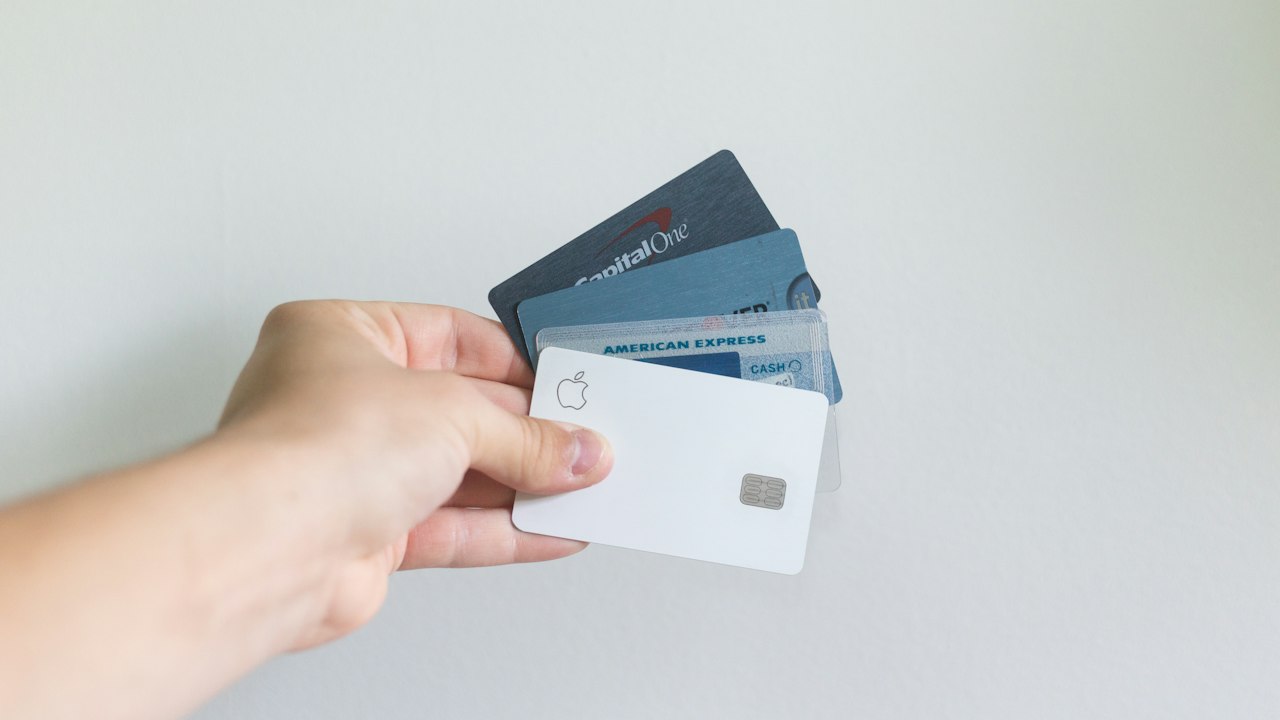
Will opening a second crypto card hurt my credit score?
Usually no. A credit card lends you money, and the lender reports that account to the credit bureaus. A crypto card funded from a balance you already hold lends you nothing, so there is no loan to report and no new credit account for a bureau to score.
Scoring models read three things from a report: the accounts you hold, the balances and payment history on them, and the inquiries and new accounts that appeared recently. A balance-funded card touches none of that unless its terms say otherwise.
Think of the question in two parts. The first part is how the card is funded. The second part is whether the issuer sends anything to a bureau. Both answers come from the issuer’s terms, not from the card’s brand or its marketing. Readers often assume a new card means a new account in the file, and for a balance-funded product that assumption is usually wrong.
Signal: the card needs funds in place before your first payment, and it has no credit limit to draw on. That pattern points to a balance-funded product that opens no credit line.
Why it matters: scores move on reported accounts and on new credit applications. The answer to will opening a second crypto card hurt my credit score rests on the funding model, not on the card brand.
Where a second card can still touch your credit
Three things can change your file even when the card itself is balance-funded:
- Credit checks: a bank that reviews your file for an application can record an inquiry. Some crypto-linked products run a check too, so read the application terms before you submit.
- Linked loans: a crypto-backed loan is a credit account. If a card is tied to a loan, the loan is what gets reported.
- Late payments elsewhere: a missed payment on any reported credit account hurts your history. A balance-funded card gives you no missed payment to record, but your other accounts still count.
For the interest side of the same question, see whether crypto cards charge interest.
Watch: the issuer’s terms for the words credit check, loan, or bureau. If any of them appear, the card has a credit side and the answer changes for that card.
Your bybit card declined: what the message usually means
A bybit card declined message is about the account, the country, or the balance. It is not a verdict on your credit score. A declined payment opens no account and goes to no bureau, so it cannot lower your file on its own.
A decline can also depend on the merchant. A card refused at one merchant can work at another, which often points to a merchant or network rule rather than a fault in your account.
Check these causes in order before you retry:
- Approval: our competitor data lists the Bybit card as approval-based, so an account that has not been approved gets declined.
- Country: the same data marks the Bybit card as US-blocked. A US account cannot use it, whatever the credit history.
- Identity: an expired or unverified ID blocks many card programs. Read how expired ID rules work before you retry.
- Balance: a card funded from a balance declines when the balance is short for the payment.
Risk: eligibility can change after you apply. Check the current terms and the country list before you pay any fee.
Alternative: if your country is not on the issuer’s allow-list, the next step is a different card that serves your country. Check that card’s own list before you apply.
What to check before a second application
If you are weighing will opening a second crypto card hurt my credit score for your own case, your own report answers it better than any general rule. Read these items first:
- Funding: confirm the card spends your balance and opens no credit line. Compare the current fee table line by line against the card you already hold.
- Fees: the ether.fi Cash physical card costs $50 on Core, $100 on Luxe, $100 on Pinnacle, and $0 on VIP. The issuer does not say any of that comes back.
- Cashback: the rate steps down as monthly spend rises. The headline 3% applies only to the lowest spend band, then falls to 1% and 0.5%.
- Limits: daily spend limits are not in this article. We have not re-verified those figures, so read them on the issuer’s page.
- Holding two: read whether you can have multiple crypto cards before you add a second account.
Why it matters: two cards bring two sets of terms. Fees, spend bands, and country lists differ by issuer, so a side-by-side comparison of the same line items shows the real cost.
How to check your score before and after
Pull your own report from each bureau that covers your country before you apply. Checking your own file is a soft check, so it does not lower your score. Note which accounts are open, when each one opened, and which inquiries are recent.
Key metric: compare the count of new reported accounts and new inquiries, not the score alone. Score models respond to several factors at once, so one reading proves little.
After the card’s first statement, pull the report again and compare the account list. If an account appears that you did not open, dispute it with the bureau that shows it.
Risk and disclosure
DefyCard publishes affiliate-linked reviews, and we may earn a commission when you sign up through our links. Crypto assets are volatile, so the value of a balance can fall between your top-up and your payment. Card availability depends on your country and state, so check the issuer’s current allow-list before you apply. Nothing in this article is financial advice.