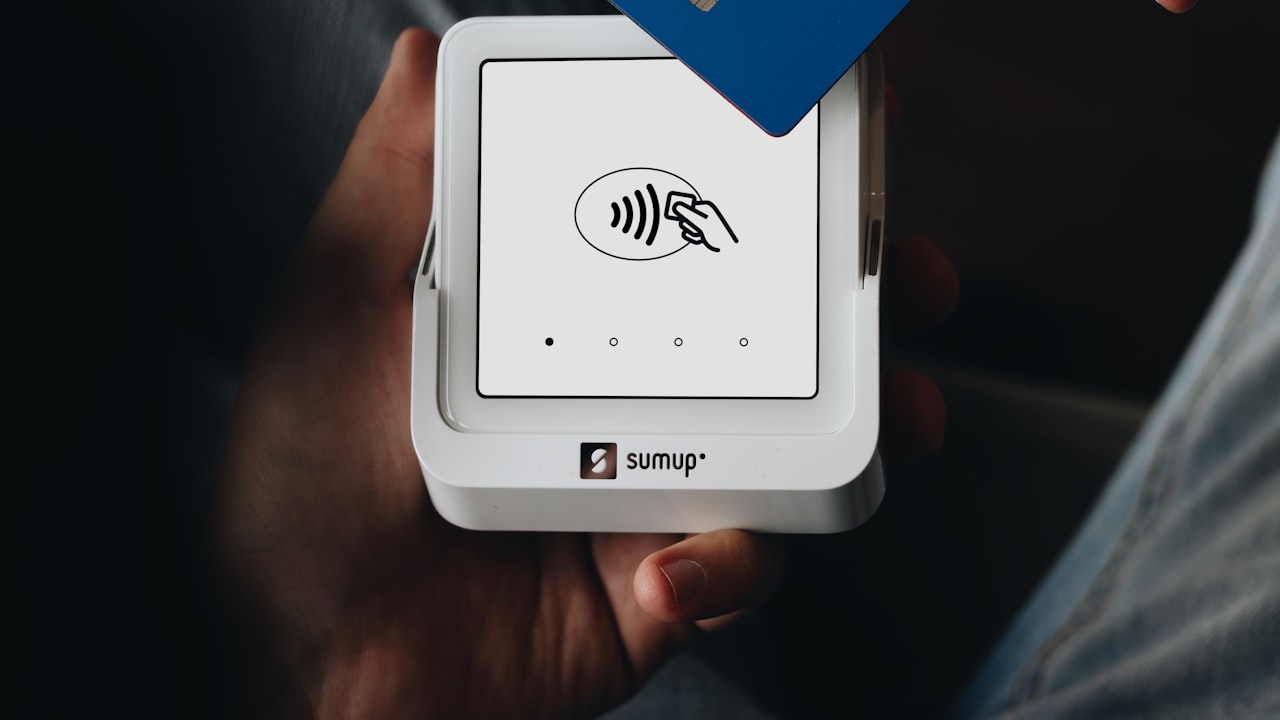
The Coinbase Card Proposition
Coinbase card’s core appeal: self-custody spending. Unlike exchange-custodial cards (Crypto.com, Binance), Coinbase card draws directly from a non-custodial balance, meaning you retain private-key control throughout the transaction. This architectural choice carries both benefits and friction.
Signal: Self-custody appeals to long-term HODLers unwilling to custody assets on an exchange, but adds friction: you must bridge funds to Coinbase’s card wallet, not a consolidated exchange balance.
Why it matters: If you prize self-custody over convenience, Coinbase card avoids centralized counterparty risk. If you prioritize smooth spending from a single exchange account, custodial cards (Bybit, Crypto.com) may feel smoother.
Cashback Tiers & Rewards (Coinbase vs. Bybit)
Coinbase card structures cashback by tier; rates vary based on card level and spending category. Verify current cashback percentages directly on the Coinbase Help Center, as promotional rates change quarterly.
Bybit card, by contrast, uses a trading-volume tier system: higher affiliate commission (not cardholder cashback). The distinction matters: Bybit card is geared toward traders managing on-exchange positions, while Coinbase card serves direct spenders.
Key metric: Coinbase card’s tier progression is static (one-time KYC approval). Bybit’s trading tier resets monthly based on 30-day volume: a moving target.
Risk: Comparing Coinbase and Bybit card head-to-head requires checking current rates on both issuers’ sites, as promotional periods shift 2–4× yearly. Neither card publishes guaranteed-rate SLAs.
Foreign Exchange & ATM Fees
Coinbase card FX fee: Typically 2–3 % depending on region. Multi-currency cards (if offered in your tier) may offer 0 % FX on select pairs. Confirm on Coinbase’s current product page.
Bybit card FX: Similarly tier-dependent. Most CEX-issued cards incur 1–2 % markups on forex conversion.
Compare to ether.fi Cash: Up to 3 % cashback with 0 % FX on USD/EUR and 1 % on all other pairs. This is the cashback-plus-forex tradeoff: ether.fi pays back spending but charges a flat cross-border markup, while Coinbase card structure may offer lower FX but varying cashback tiers.
Key metric: If you spend primarily in USD or EUR, 0 % FX alone saves 2–3 % vs. traditional crypto cards, making ether.fi’s flat-rate model predictable for international travelers.
Custody & Settlement: The Hidden Cost
Coinbase card’s non-custodial settlement is its defining feature but also its operational challenge:
- You hold crypto in a non-exchange wallet (hardware, MetaMask, etc.).
- When you swipe, Coinbase converts that crypto to fiat on-the-fly.
- The transaction settles to Visa’s network.
- You incur the full gas cost for that micro-conversion + withdrawal.
Risk: Frequent small purchases trigger repeated on-chain costs. A $5 coffee swipe might net $0.50–$2.00 in network fees depending on blockchain congestion, wiping out any cashback. High-frequency spenders suffer; occasional users (1–2 transactions/week) break even or ahead.
Watch: Check whether Coinbase has introduced batch-settlement or layer-2 optimization since this review’s publish date (May 2026). L2 rollups could slash per-transaction costs.
Bybit Card vs. Coinbase: Which Suits Your Flow?
| Angle | Coinbase Card | Bybit Card | ether.fi Cash |
|---|---|---|---|
| Custody | Self (you hold keys) | Custodial (Bybit holds) | Self-custody (yield-bearing) |
| Ideal for | Private-key maximalists | High-volume traders | Staking-yield seekers |
| Friction | Bridge crypto to card wallet | Instant (exchange balance) | Link staked ETH balance |
| FX | 2–3 % (variable) | ~1–2 % (tier-dependent) | 0 % USD/EUR, 1 % else |
| Cashback | Tier-based (verify) | Volume-dependent | Up to 3 % flat |
Signal: Coinbase card’s non-custodial model is unique among top three, making it the default for privacy-conscious spenders. Bybit card suits traders. ether.fi suits DeFi participants earning yield on staked positions.
Practical Use Case: When Coinbase Card Wins
You are a fit if:
- You HODL crypto in self-custody (hardware wallet, etc.) and refuse exchange custody.
- You make low-frequency purchases (≤3 per week) where gas costs become negligible relative to cashback.
- You spend primarily in USD/EUR and can tolerate 2–3 % FX.
- You are based in a supported region (US, UK, select EU/APAC).
You are NOT a fit if:
- You make daily micro-purchases: gas fees will erode cashback.
- You want guaranteed cashback rates (Coinbase changes tiers quarterly).
- You need instant spending from an exchange balance (use Bybit card instead).
- You are in a prohibited region: no Coinbase card access.
Risk & Disclosure:
DefyCard publishes affiliate-linked reviews; we may earn commissions on ether.fi referrals. This is not investment advice. Crypto asset prices are volatile. Your card balance and rewards are exposed to market risk. Card availability, cashback rates, and fees change frequently; verify all terms directly on the issuer’s website before opening an account. Coinbase card is not available in all countries or US states. Bybit card and ether.fi Cash have separate eligibility criteria. Check their help centers for your region.
Coinbase card cashback: what the reference data supports
Coinbase card cashback rates are not in the reference sheet, so this section does not give a figure. The page’s own text already says to check the Coinbase Help Center because tiers change, and that stands.
What the sheet does give is a comparison point. ether.fi Cash pays 1% cashback on business USD spend, 0% on business EUR spend, and 0% FX on EUR in beta. Its affiliate program pays a 20% physical-card commission on tiers 1 through 3 and 25% on tier 4. Core, Luxe and Pinnacle cards cost $50, $100 and $100, and the VIP card costs $0. Check the Coinbase card’s cashback and fee terms against these figures before choosing.