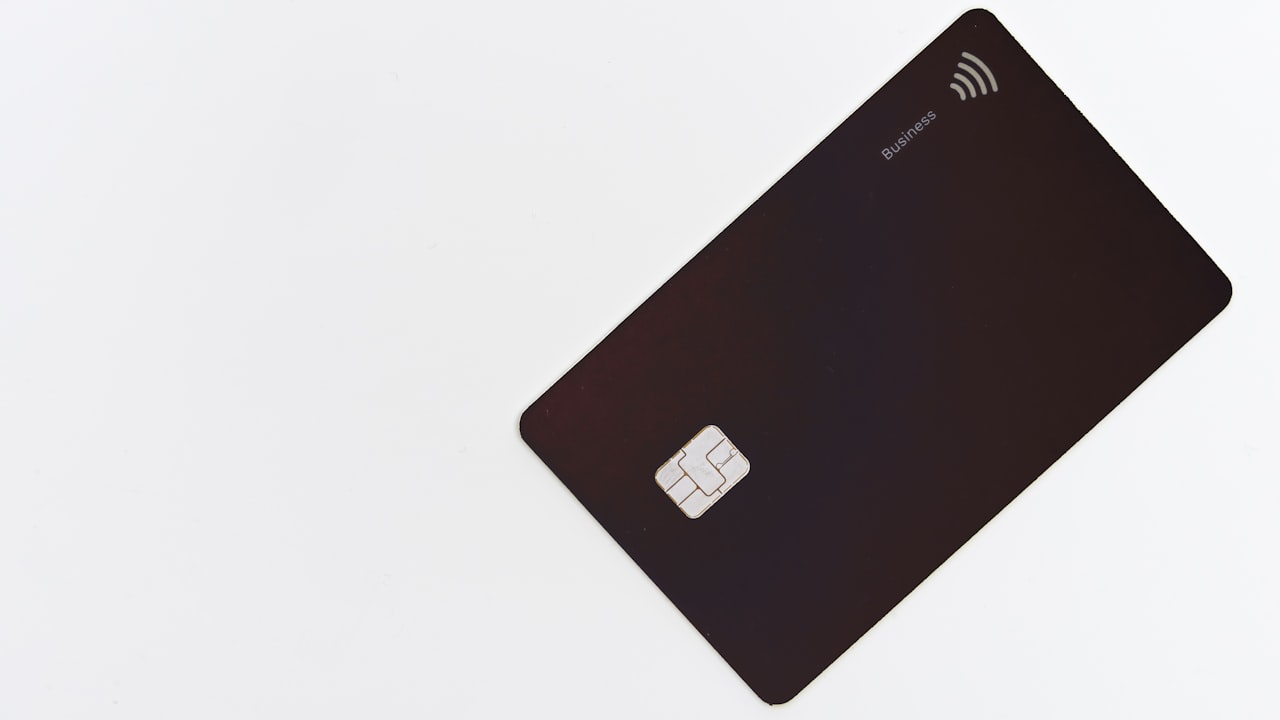
What is a Crypto Card?
A crypto card is a payment card linked to your cryptocurrency wallet or staking account. Unlike traditional cards, crypto cards let you spend digital assets directly without converting to fiat first.
Signal: Crypto cards are ideal if you hold crypto and want to keep it deployed (earning yield) while spending.
The ether.fi Cash card exemplifies this model. It connects to your staked ETH, letting you earn cashback while your balance continues staking. You spend crypto; the issuer funds the transaction in fiat. Your staked ETH never leaves the protocol—no selling required.
Key metric: ether.fi Cash offers up to 3% cashback on spend + staking APY simultaneously—dual earning that differentiates crypto cards from traditional payment cards.
What is a Gift Card?
A gift card is a prepaid card or digital voucher loaded with fiat currency (USD, EUR, etc.). The issuer holds the balance until you spend it. No yield, no staking, no protocol involvement.
Signal: Gift cards suit temporary spending or budget management, but they generate zero returns.
Gift cards work via simple database accounting. Your $100 balance is a number in the issuer’s system. You never own a private key or interact with any blockchain. The issuer earns interest on your float.
The Core Differences: Crypto Card vs Gift Card
Custody & Control
- Crypto card: You hold the private key (self-custody). The card bridges your wallet to merchants.
- Gift card: The issuer custodies your funds. You never control the private key or blockchain interaction.
Why it matters: Self-custody means control and freedom, but also responsibility—lose your seed phrase, lose access permanently.
Yield & Returns
- Crypto card: Many earn dual returns—cashback on spend + staking yield. ether.fi separates these: your 3% cashback doesn’t reduce staking APY.
- Gift card: Zero yield. Your $100 balance is static until spent. The issuer profits from interest you don’t earn.
Risk: Crypto rewards are volatile. A 3% cashback paid in ETH fluctuates with ETH price. No guarantee of value preservation.
Use-Case Matrix
- Crypto card best for: Long-term holders wanting to spend while staking, earning dual returns, self-custody advocates
- Gift card best for: Non-crypto users, temporary spenders, budget control, zero tax complexity, maximum merchant coverage
Mastercard vs Visa in Crypto Cards
Both networks power crypto card transactions. Here’s the breakdown:
Visa dominates (97% of crypto-card volume, April 2026):
- ether.fi Cash
- Crypto.com Card
- Coinbase Card
Mastercard has fewer top-tier crypto cards today, but the network is equally capable.
Key metric: Network choice (Visa vs Mastercard) rarely impacts your experience. Both settle instantly via standard ACH infrastructure.
Signal: Choose based on the card issuer (ether.fi, Crypto.com, etc.), not the network. Visa’s dominance just means broader merchant coverage—but both work globally.
Metal vs Plastic Crypto Cards: Tier Breakdown
Crypto cards come in tiers. Material signals the tier, not underlying functionality.
Core Tier (Plastic)
- Standard plastic card, issuer-branded color
- Free issuance or $40 refundable deposit (ether.fi Core)
- $2,000/month spend limit
- Up to 3% base cashback
Luxe Tier (Metal)
- Metal card, premium finish
- Usually $100–$500 annual fee (varies by issuer)
- $10,000/month spend limit
- Same cashback %, higher tier bonuses (ether.fi:)
Why it matters: Metal is prestige, plastic is cost-efficient. Both settle via the same network. The $40 deposit is refunded on card closure.
Why Crypto Cards Win for Holders
If you already own crypto:
- Keep crypto deployed. Spend via card instead of selling—your ETH continues earning staking yield.
- Double returns. Staking APY + cashback on spend = higher overall APY compared to holding fiat.
- Self-custody benefit. Your balance is always yours—no custodian can freeze or restrict it (though jurisdictional restrictions may apply).
Watch: Regulatory changes are ongoing. Check ether.fi’s eligibility list regularly—available countries can expand or contract.
Gift Cards Still Win For…
- Non-crypto users: No friction, no seed-phrase risk, no learning curve.
- Temporary spenders: Load $50, spend it, done. No setup required.
- Social norm: Gifting crypto is unusual; gifting fiat cards is expected.
- Tax simplicity: Receiving and spending a gift card involves no crypto tax events in most jurisdictions.
Next Steps
The choice between crypto and gift cards depends on your assets and goals. If you hold crypto and want to maximize returns, ether.fi Cash is worth exploring. If you’re new to crypto or prefer simplicity, stick with gift cards.
FAQ
Q: Can I load a crypto card with fiat directly? A: No. Crypto cards are wallet-linked, not bank-linked. You must buy crypto elsewhere and transfer it to your wallet first. Some issuers (Crypto.com) offer built-in on-ramps; ether.fi Cash does not.
Q: Do I pay taxes when spending via a crypto card? A: Yes, in most jurisdictions. Spending crypto is a taxable event—you’re disposing of an asset. Consult your tax professional. Gift cards typically incur no tax to the recipient.
Q: What’s the main risk of crypto cards? A: Volatility and self-custody responsibility. Rewards are denominated in crypto and fluctuate with price. You also hold your own private key—if you lose it, your funds are gone. Gift cards have issuer risk but no volatility.
Q: Which is more secure: crypto or gift card? A: Different risk models. Crypto = self-custody risk (your key). Gift card = issuer-custodial risk (their servers). Self-custody is more secure IF you protect your key; less secure IF you don’t.
Q: Can I earn rewards on gift cards? A: Some cards offer bonus programs or rebate coupons, but not yield. Crypto cards offer dual yields (staking + cashback).
Q: Is ether.fi Cash available in my country? A: ether.fi Cash is available in ~76 countries and 29 US states. It is not available in Belarus, Bangladesh, China, Cuba, Estonia, Finland, India, Iraq, Israel, Nepal, Netherlands, North Korea, Philippines, Russia, Syria, Turkey, Ukraine, Venezuela, Vietnam, or US states AZ, DE, GA, ID, LA, MD, MS, MO, MT, NV, NM, ND, OH, OR, RI, SD, TN, VT, WA, WI.
What to Watch
- Regulatory eligibility: ether.fi availability varies by country and state. Monitor their eligibility list quarterly.
- Staking APY fluctuations: Your ether.fi balance earns variable APY; base cashback is fixed at up to 3%.
- New tier launches: Pinnacle tier may debut with expedited (1–3 day) physical card shipping.
- Visa dominance shifts: If Mastercard gains crypto-card share, more card options may emerge.
- Promotional rates: Food cashback offers (e.g.) may expire. Check ether.fi announcements.
Bottom Line
- For crypto holders: Crypto cards (ether.fi Cash) beat gift cards because you earn dual returns without selling your assets.
- For non-crypto users: Gift cards are simpler, safer, and more widely accepted.
- If you fit the holder profile (you own ETH, want to spend it, value staking yield)—ether.fi Cash is optimized for you.
- On Mastercard vs Visa: Choose the card issuer, not the network. Both work equally for crypto spending.
Risk & Regulatory Disclosure
FTC Disclosure (Repeated): DefyCard publishes affiliate-linked reviews; we may earn a commission when you sign up through our links.
Crypto Volatility: Crypto-denominated rewards and balances are subject to price volatility. A 3% cashback in ETH can gain or lose value based on ETH/USD price. This is not a guarantee of returns or preservation of capital.
Country Restrictions: ether.fi Cash is not available in: Belarus, Bangladesh, China, Cuba, Estonia, Finland, India, Iraq, Israel, Nepal, Netherlands, North Korea, Philippines, Russia, Syria, Turkey, Ukraine, Venezuela, Vietnam.
US State Restrictions: ether.fi Cash is not available in: Arizona, Delaware, Georgia, Idaho, Louisiana, Maryland, Mississippi, Missouri, Montana, Nevada, New Mexico, North Dakota, Ohio, Oregon, Rhode Island, South Dakota, Tennessee, Vermont, Washington, Wisconsin.
Not Financial or Legal Advice: This article is educational. Consult a tax professional in your jurisdiction before using a crypto card. Crypto asset ownership and spending carry legal and tax implications that vary by location.