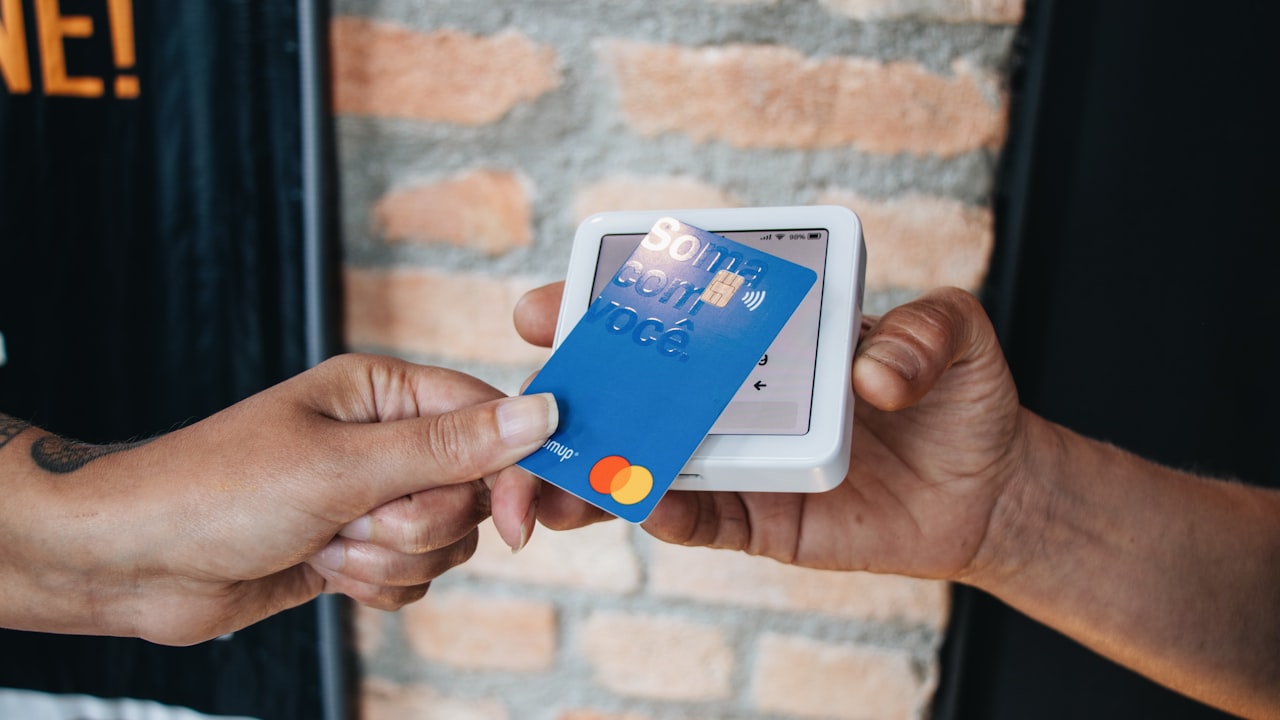
Understanding Crypto Cards
A crypto card is a payment instrument that lets you spend cryptocurrency—or in some cases, staked crypto assets—directly at merchants. Rather than converting your digital assets to fiat first, you can pay in real-time, and the merchant receives the equivalent in their local currency. Most crypto cards operate on the Visa or Mastercard network, ensuring compatibility with millions of merchants worldwide.
Signal: Crypto cards are ideal for users already holding cryptocurrency who want to spend without selling into fiat. If you’ve chosen not to convert to traditional money, a crypto card preserves that sovereignty.
Crypto cards come in two flavors: non-custodial (you retain full control of your private keys and assets) and custodial (the card provider holds your crypto). Non-custodial cards like ether.fi Cash appeal to self-custody advocates; custodial cards offer more traditional user experiences and sometimes higher fraud protection.
Understanding Revolut
Revolut is a UK-based fintech company licensed by the Financial Conduct Authority (FCA). It offers a digital payment platform with a debit card, money transfer, currency exchange, and investment features. You load fiat currency (GBP, EUR, USD, etc.) into your Revolut account, then use your card to spend or withdraw cash.
Why it matters: Revolut is designed for traditional money holders—particularly international travelers and people who send remittances. It excels at low-cost currency conversion (real exchange rates, no markup) and operates in over 200 countries, making it one of the most accessible fintech cards globally.
Revolut’s model is custodial: the company holds your fiat deposits. You trade convenience and regulatory oversight for the ability to load fiat, transfer money quickly, and access instant debit-card features. Most users appreciate the simplicity; some crypto-native users prefer self-custody alternatives.
Feature-by-Feature Comparison
Spending currency:
- Crypto cards: Cryptocurrency only (or staked assets if the protocol supports it)
- Revolut: Fiat currency only (load EUR, GBP, USD, or others)
Custody & control:
- Crypto cards (non-custodial): You hold private keys; full control, full responsibility
- Revolut: Company-custodial; Revolut holds your balance; regulatory protections apply
Merchant coverage:
- Crypto cards: Visa/Mastercard networks (millions of merchants, but some regions limit crypto card acceptance)
- Revolut: Visa debit card (accepted nearly everywhere fiat Visa works)
Asset approval speed:
- Crypto cards: Instant (crypto already in wallet)
- Revolut: Same-day (once fiat is loaded and verified)
Key metric: Non-custodial crypto cards require you to already own cryptocurrency; Revolut requires you to load fiat. If you have neither, Revolut is faster to set up; if you already hold crypto, a crypto card skips the conversion step.
Fee Breakdown
Crypto card fees (ether.fi example):
- Cashback: Up to 3 % on spending (some cards offer promotional rates higher during launch)
- FX conversion: 0 % on USD and EUR; 1 % on all other currencies
- ATM withdrawal: 2 %
- Physical card issuance: Free for core tier; $40 refundable deposit for upgrades
- Monthly account fee: None for standard tier
Revolut fees (standard tier, free account):
- In-app transfers: 0 %
- ATM withdrawal: 0 % for first withdrawal per month; then 2 % (in free tier)
- Currency conversion: Real exchange rate, 0 % markup (in-app transfers)
- Monthly account fee: None (free tier); €10+ for premium tiers with higher ATM limits and cashback
- Card replacement: €5–€10
Risk: Crypto cards can seem to have higher cashback rates, but that rate is variable and depends on the card’s current promo. Revolut’s fee structure is clearer: if you don’t withdraw cash or upgrade, you pay nothing. Choose based on your spending patterns, not marketing claims.
Virtual vs Physical Crypto Cards
Most crypto cards offer both virtual and physical crypto card options. Virtual crypto cards are instant—you receive a card number immediately to use online, in digital wallets, or for contactless phone payments. Physical crypto cards arrive by mail (typically 1–3 weeks) and can be used at ATMs and in-person merchants worldwide.
The choice between virtual vs physical crypto cards depends on your spending habits. Virtual-only works if you shop online, use apps, and avoid cash withdrawals. Physical is essential if you travel, use ATMs, or prefer in-person card swiping. Revolut, by contrast, ships a physical debit card as standard; a virtual version arrives faster for early access.
Signal: Frequent travelers and ATM users need a physical crypto card. Online-only shoppers can save 2–3 weeks by using a virtual card instantly.
When to Choose a Crypto Card
A crypto card makes sense if:
- You already own cryptocurrency and want to spend it without selling to fiat.
- You prefer self-custody and want to retain full control of your assets.
- You’re in a region where crypto cards are available and want to benefit from staking yields while spending (some crypto cards allow you to spend staked assets).
- You want a simpler onboarding than traditional banking but value digital-asset integration.
Crypto cards appeal to early adopters, yield-focused users, and crypto-native communities. If you’re part of that group and have crypto on hand, a crypto card bridges your digital assets to everyday spending.
When to Choose Revolut (or Wise)
Revolut is the better fit if:
- You spend primarily in fiat and don’t hold cryptocurrency.
- You send frequent international transfers or remittances. (Wise specializes in transfers; Revolut adds broader fintech features.)
- You value regulatory oversight and FCA licensing (if you’re in the EU/UK).
- You want simplicity: load money, spend, manage budgets in one app.
- You’re traveling internationally and want real-time currency conversion without markup.
Alternative: When comparing crypto card vs Wise card or crypto card vs Revolut, the choice boils down to your baseline assets. If you hold crypto, a crypto card wins. If you hold fiat, crypto card vs Wise card comparison favors Wise for pure transfers, while Revolut offers broader fintech features. Both Wise and Revolut outpace crypto cards for non-crypto users—regulatory assurance and 200+ country reach make them simpler, proven choices.
What to Watch
- Regulatory changes: Crypto cards operate in a regulatory gray area in many jurisdictions. Keep an eye on your country’s stance on digital assets and card issuance. Revolut, by contrast, is fully licensed and less likely to face sudden restrictions in FCA-regulated regions.
- Availability in your region: Crypto cards are not available in all countries; check your region before signing up. Revolut operates in 200+ countries but may limit certain features locally.
- Fee updates: Crypto card cashback rates and fees can change with market conditions. Revolut’s fee structure is more stable due to regulatory oversight.
- Asset volatility: If you spend crypto, remember exchange rates fluctuate. Revolut’s fiat base shields you from crypto price swings.
- Custody preferences: If privacy or self-sovereignty is your priority, stay aligned with your custody choice—non-custodial crypto cards or traditional banking, not in-between solutions.
Bottom Line
- Crypto cards and Revolut serve different people: Crypto card holders want to spend digital assets directly; Revolut users want global, simple fiat spending and transfer.
- If you own cryptocurrency and prefer self-custody, a non-custodial crypto card (like ether.fi Cash) lets you earn cashback while spending without selling—preserving your digital sovereignty.
- If you’re a traditional money user, frequent traveler, or remittance sender, Revolut’s 200+ country reach, real exchange rates, and FCA licensing make it the safer, simpler choice.
- Consider your baseline: Do you already own crypto, or would you need to buy it first? Do you value self-custody, or is regulatory assurance more important? Your answer determines which card pays you back.
FAQ
Q: Can I use a crypto card if I don’t currently hold cryptocurrency? A: Not directly—you’d need to purchase crypto first. Revolut lets you load fiat immediately. If you’re interested in starting with crypto, you can buy on an exchange, then transfer to a non-custodial wallet, then link it to a crypto card. This adds steps compared to Revolut’s instant setup.
Q: Which has better fraud protection? A: Revolut, as an FCA-regulated entity, offers chargeback protection and dispute resolution. Non-custodial crypto cards shift fraud risk partly to you (if your wallet is compromised, recovery is difficult). Custodial crypto cards may offer protections similar to Revolut’s, but always verify with the issuer.
Q: Can I use both a crypto card and Revolut? A: Yes. Many users maintain both: Revolut for fiat spending and international transfers, and a crypto card for spending cryptocurrency. No exclusivity is required; you can use both for different purposes.
Q: What’s the difference between virtual vs physical crypto cards? A: Virtual crypto cards arrive instantly (card number only) and work online and in digital wallets. Physical crypto cards ship by mail and work everywhere Visa is accepted, including ATMs. Virtual is faster; physical offers broader in-person utility.
Q: Are crypto cards legal everywhere? A: No. Crypto cards operate legally in many regions (US, EU, APAC) but are prohibited in others. Revolut is UK FCA–licensed and operates in 200+ countries with fewer restrictions. Always verify your jurisdiction’s stance before signing up.
Q: Which is cheaper overall? A: It depends on your spending pattern. Crypto cards offer 0–3% cashback but charge ATM and FX fees. Revolut’s free tier has minimal fees (0–2% ATM) but no rewards; premium tiers add monthly costs. Calculate your expected annual spending against each fee structure to compare.
Risk Disclosure
DefyCard publishes affiliate-linked reviews; we may earn a commission when you sign up through our links. Neither crypto cards nor Revolut are guaranteed to outperform the other—they serve different use cases. Cryptocurrency is volatile; spending crypto means your balance can fluctuate before a transaction settles. Revolut holds your fiat and is subject to regulatory oversight, which provides protections absent from non-custodial crypto solutions. Both can be helpful financial tools, but choose based on your needs, not marketing claims.
Always verify:
- Whether your country supports the card you’re considering.
- Whether you meet the card’s KYC requirements.
- Current fee structures (these change).
- Regulatory status in your jurisdiction.
Do your own research and never invest more than you can afford to lose.