Why Rewards Crypto Cards Are Changing Spending
Traditional credit cards pay 1–2 % cashback. Crypto cards can pay 3–15 % on the same purchases. The key difference: your crypto stays in your wallet, earning staking rewards or price appreciation on top of cashback.
Signal: If you spend $2,000 per month and earn 3 % cashback, that’s $720 per year. If the underlying crypto appreciates 20 %, that’s an extra $144—without affecting your daily spending.
Why it matters: You’re not choosing between “spend crypto” or “hold crypto.” You do both simultaneously.
The market has grown 106 % year-over-year since 2023. In March 2026, crypto-card transaction volume hit a record $607 million monthly. This growth is driven by two trends:
- Self-custody cards (ether.fi Cash, Cypher, Gnosis Pay) that let you control keys while spending.
- Competitive cashback tiers that reward large holders and frequent spenders.
For most users, the choice comes down to three factors: cashback rate, FX fees, and whether you want self-custody or convenience.
Best Crypto Cards for Rewards (2026 Comparison)
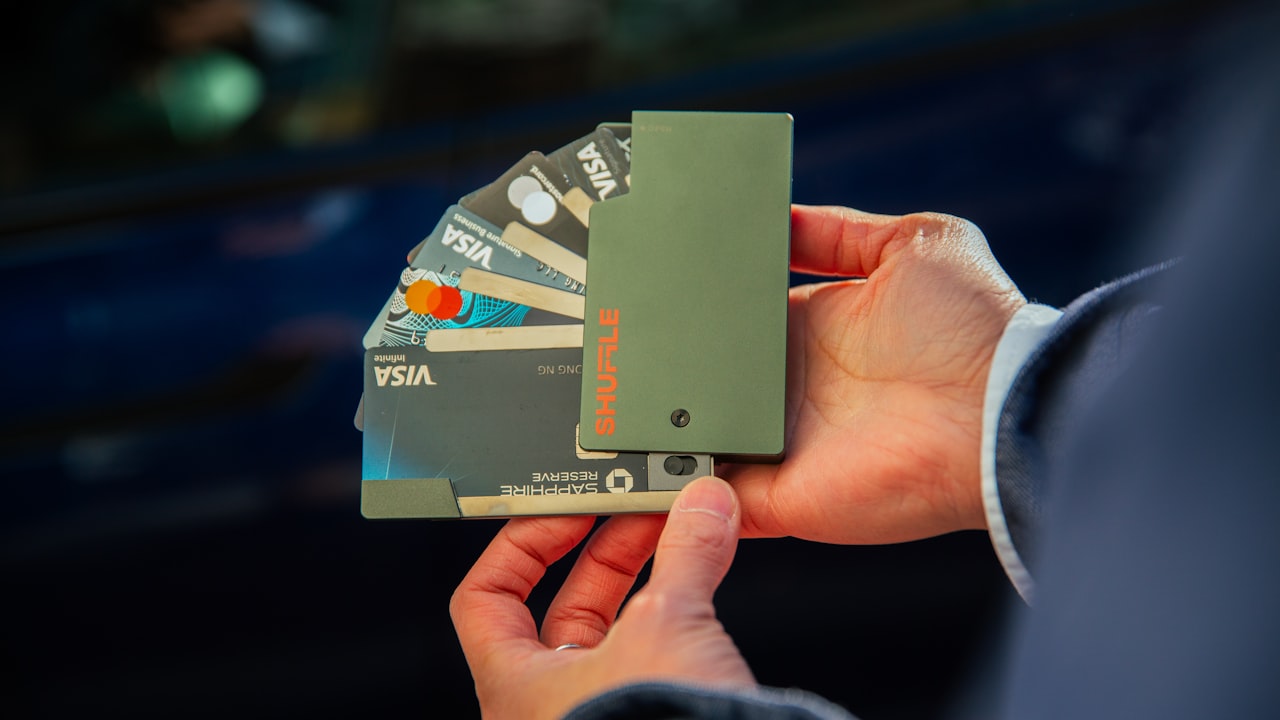
Ether.fi Cash — Best for Simplicity + Self-Custody
Ether.fi Cash offers up to 3 % cashback on all spending, with 0 % FX fees on USD and EUR. For users in the US, UK, or EU, this translates to straightforward rewards with no hidden charges.
Key metric: 3 % cashback means $600 per year on $20,000 annual spending—before any price appreciation of the underlying ETH.
How it works:
- Spend with your Visa card (virtual or physical).
- Earn rewards directly to your ether.fi account.
- Physical card ships to 76+ countries (Core tier).
- $40 refundable deposit for physical card (Core tier).
Signal: If you spend $500–$2,000 per month and hold ETH, ether.fi Cash is the path of least resistance. You’re not managing custodial account restrictions or complex tier unlocks.
What to know: Tiers cap monthly spend (Core: $2,000, Luxe: $10,000, Pinnacle: $50,000). If you exceed your tier’s limit, you can upgrade or wait for the next month. This matters for business owners or high earners.
Get started with ether.fi Cash →
RedotPay — Highest Cashback for On-Chain Users
RedotPay leads on-chain crypto-card volume with up to 40 % tier (card-order + transaction fees), but this only applies to users transacting primarily on-chain. The tier structure rewards high spending:
- Tier 1: 10 % commission
- Tier 2: 20 % commission
- Tier 3: 40 % commission (top spenders / high holders)
Key metric: At 40 % tier, $20,000 in annual spending earns $8,000—but this requires sustained high-tier status.
Risk: RedotPay’s structure heavily favors large on-chain transactors. If you trade frequently or hold high-value positions, the gains compound. If you’re a casual spender, you’ll stay in Tier 1 (10 %).
Crypto.com — Custodial All-in-One
Crypto.com offers a custodial alternative: you hold assets in their exchange, and the card pulls spending power from your Crypto balance. Cashback is tied to your CRO staking tier, ranging from 1–5 % on card spend (plus up to 50 % fee sharing on trading for 12 months).
Why it matters: If you’re comfortable with a CEX holding your assets, Crypto.com provides the broadest feature set: card + trading + staking + earn products, all in one app. You don’t manage private keys.
Risk: Custodial means you don’t control private keys. If Crypto.com experiences an outage or regulatory issue, your assets may be locked.
Best Crypto Card for Spending: How to Choose

Not all cards fit every use case. Here’s how to pick the right one.
If You Spend Under $2,000/Month
ether.fi Cash (Core tier) is your best option. The 3 % cashback is flat and uncomplicated—no tier grinding required. You get rewards on day one.
Why it matters: With Core tier, you max out at $2,000/month. Earn $5–$6/month in pure cashback, plus any ETH price appreciation. You keep 100 % control of your keys.
If You Spend $2,000–$10,000/Month
ether.fi Cash (Luxe tier) handles $10,000/month at the same 3 % rate. If you trade frequently or want higher tier rewards, RedotPay starts becoming competitive—you could reach Tier 2 (20 %) with sustained volume.
Key metric: At $5,000/month, 3 % (ether.fi) = $150/month = $1,800/year. At RedotPay Tier 2 (20 %), same volume = $1,000/month = $12,000/year. The jump is worth it if you maintain tier eligibility.
Watch: RedotPay requires consistent spending to hold your tier. One month of light spending doesn’t immediately drop you, but lazy tracking can cost you tier status.
If You Spend $10,000+/Month
RedotPay (Tier 2–3) and Crypto.com are both viable. At this volume:
- RedotPay Tier 3: 40 % commission = $48,000/year on $120,000 spending.
- Crypto.com: 5 % card + trading fee share = $6,000/year. The trading fee component can add another $2,000–$10,000/year if you trade actively.
Risk: Higher tiers require higher balances and activity. If your spending or volume drops, you could lose tier status mid-month.
FX Fees & International Spending
Crypto cards vary widely on foreign-exchange charges. This matters for travelers and global spenders.
ether.fi Cash charges:
- 0 % FX on USD and EUR (largest benefit for US/UK/EU users)
- 1 % FX on all other currencies (CAD, GBP, JPY, etc.)
Crypto.com charges:
- 1.5 % FX on all currency pairs (flat, no special rates)
RedotPay charges:
- 1 % on most pairs
- 0 % on some stablecoin pairs (depending on region and promotion)
Why it matters: If you travel to Japan (JPY) monthly, 1 % vs. 1.5 % adds up. Over 12 months of $5,000 monthly spending:
- ether.fi (1 % FX): $600/year
- Crypto.com (1.5 % FX): $900/year
- Difference: $300/year
For most users, ether.fi’s 0 % on USD/EUR is the biggest practical advantage.
Self-Custody vs. Custodial: What You’re Trading
Self-custody cards (ether.fi, Cypher, Gnosis Pay):
- ✅ You control private keys
- ✅ Assets stay in your wallet (earn staking rewards)
- ✅ No counterparty risk
- ❌ More setup steps
- ❌ Fewer integrated features
Custodial cards (Crypto.com, Binance Visa, Bybit):
- ✅ Simple, one-app experience
- ✅ Integrated trading, staking, earn
- ✅ Instant card funding
- ❌ You don’t control private keys
- ❌ Regulatory or operational risk from exchange
Signal: If you’re new to crypto, custodial (Crypto.com) is easier. If you’re experienced and value control, self-custody (ether.fi) is worth the extra steps.
Why it matters: The difference isn’t technical—it’s philosophical. Self-custody aligns with “not your keys, not your crypto,” and you earn staking rewards directly. Custodial trades control for convenience.
Getting Started: Step-by-Step
1. Check Availability
ether.fi Cash is available in 76 countries. Verify your location through ether.fi’s help resources.
Not available in your region? RedotPay, Crypto.com, and Bybit have overlapping but different coverage. Check each card’s website before applying.
2. Complete KYC
All cards require identity verification:
- Government ID (passport, national ID, or driver’s license)
- Liveness selfie
- Address verification
- Typical time: 15–30 minutes
Risk: Once you start KYC, rejection is uncommon—but possible if the ID is unreadable or address mismatches. Keep documents clear and address current.
3. Activate & Fund
For ether.fi Cash, you’ll receive a virtual card immediately (minutes to hours after approval), then apply for the physical card.
For Crypto.com, the virtual card is instant; physical takes 1–2 weeks.
Watch: Physical card shipping times vary. ether.fi Pinnacle ships in 1–3 days; Core/Luxe take 15+ business days.
4. Make Your First Purchase
Spend any amount to activate rewards. Test a small transaction ($5–$10) to confirm everything works, then spend normally.

5. Track Rewards
Log into your app monthly to see:
- Cashback earned this month
- Rewards pending (usually settle within 30 days)
- Tier status (for tiered cards like RedotPay)
Key metric: After 3 months of regular spending, you’ll see a clear pattern of how much you earn per month. Use this to decide if upgrading tiers makes sense.
Risk & Disclosure
DefyCard publishes affiliate-linked reviews. We earn a small commission when you sign up through our links at no extra cost to you. This does not influence our recommendations—we highlight the strengths and risks of each card equally.
Crypto assets are volatile. Cashback rewards are real income, but the value of the underlying crypto can fluctuate 20–50 % year-to-year. Your $720 in annual cashback is offset by both upside and downside in the asset’s price. Plan accordingly.
Geographic restrictions apply. ether.fi Cash, RedotPay, Crypto.com, and Bybit have different availability maps. Verify your country and state/region are supported before applying. Rules can change month-to-month as regulations evolve.