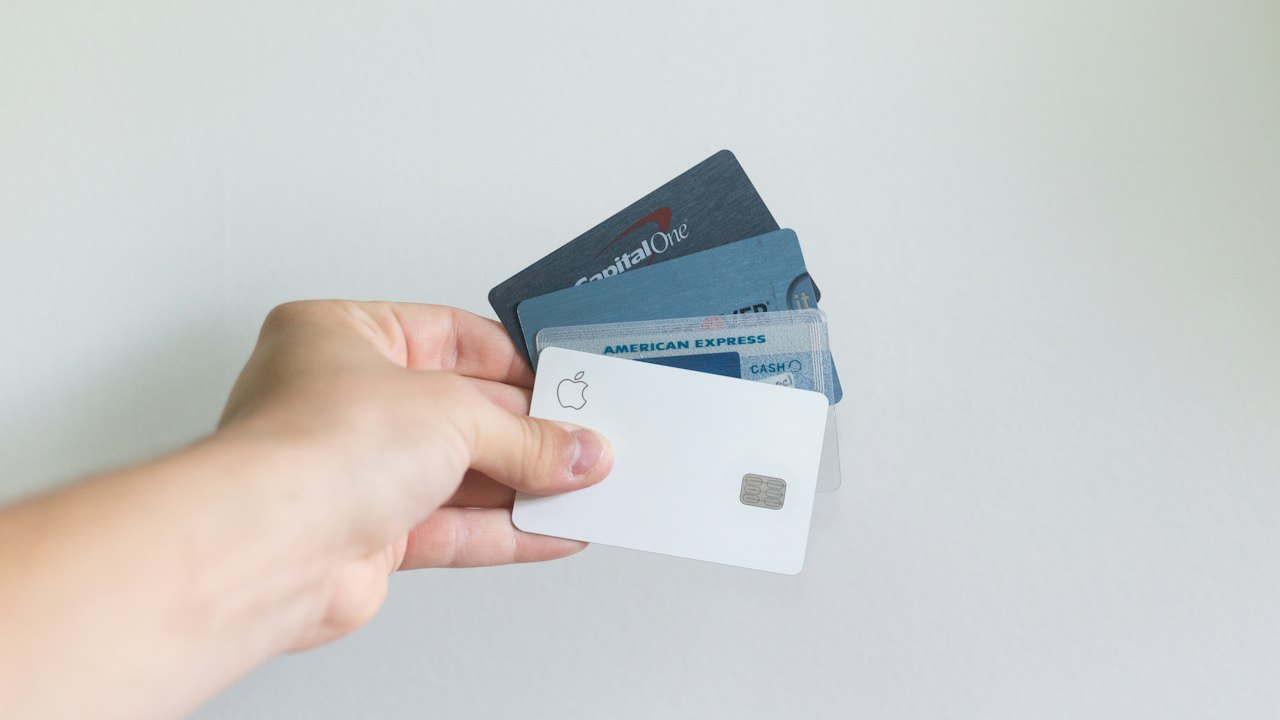
What’s the difference between a crypto debit card and a crypto credit card?
The difference is where the money comes from. A crypto debit card spends funds you already hold. A crypto credit card spends money the issuer lends you, and you repay that loan later on a statement.
Every other gap follows from that one fact, including fees, rewards, and how much a bad month can cost you.
Signal: if you hold crypto and want to pay without borrowing, the debit model fits. If you want to defer payment to a statement date, the credit model fits.
Most crypto cards run on Visa or Mastercard rails, so the checkout looks the same to a merchant. The gap sits on your side of the transaction: what leaves your balance, and what becomes a bill.
How a crypto debit card works
A crypto debit card links each purchase to a balance. When you pay, the network checks the balance and deducts the amount. The issuer does not lend that money, so no purchase creates a debt on the card.
- Funding: you hold or load the asset before you spend it.
- Interest: none on purchases, because no loan exists.
- Ceiling: your balance sets the limit, not a credit line.
Key metric: a debit purchase cannot create debt the card did not already fund, which caps the damage from a bad month.
Debit cards still produce surprises. A refund may come back in a different asset or currency than the original purchase, so check how the issuer handles reversals before you rely on them. The price of the asset you hold also moves between the day you load it and the day you spend it.
ether.fi Cash follows this spend-what-you-hold model, and its positioning centers on self-custody with cashback on spend. Read the issuer’s terms for the exact funding route, because mechanics vary by product.
Watch: the crypto-to-fiat rate applied at the moment of spend, since that rate sets how much leaves your balance.
How a crypto credit card works
A crypto credit card gives you a credit line from an issuer. You spend against that line, receive a monthly statement, and pay the minimum or the full amount by the due date. Pay the full statement and most agreements charge no interest on those purchases. Carry a balance and the issuer charges an annual percentage rate on what remains.
Some crypto credit products secure the line with crypto collateral. A fall in the collateral’s price can change your terms or trigger a sale, depending on the agreement. Do not assume a crypto credit card follows the same rules as a bank credit card.
Gemini Credit, issued by WebBank on the Mastercard World Elite network, shows the credit model in practice. Per the issuer’s published terms, it has no annual fee and no foreign transaction fees. Cashback runs 4% on gas, EV and transit, 3% on dining, 2% on groceries, and 1% on everything else. The 4% category covers up to $300 of spend per month, then drops to 1% for the rest of that month.
Missing a due date often triggers a fee and starts interest on the balance. Set a reminder or autopay for the full statement amount. Read the statement cycle, grace period, and minimum payment rules before you apply, since they set how much time you have to repay without interest. For the mechanics of interest on a carried balance, read how interest works on card balances.
Risk: a carried balance can cost more in interest than the cashback you earn. A 4% category reward does not offset a high rate on a balance that rolls from month to month.
Cost comparison: fees, rewards, and interest
Compare three cost lines before you choose.
- Annual fees: Gemini Credit lists none in its issuer terms. Debit products vary, so read each fee schedule.
- Foreign spending: Gemini Credit lists 0% foreign transaction fees. Check each debit product’s currency rules before you travel.
- Interest: zero on debit purchases. On credit, interest starts only on a balance you carry.
Fees are only part of the cost. Exchange spread, network costs, and the timing of your repayment also change what you pay.
Key metric: ether.fi Cash cashback starts at up to 3% and steps down to 1%, then 0.5%, as monthly spend rises. Above the middle band, a USD spender earns 0.5% and a EUR spender earns 0.1%, so name the currency before you plan around that rate.
Alternative: if you pay the full statement every month, a credit card’s category rewards can beat a debit card’s stepped cashback. If you carry a balance, skip the credit model and choose debit.
Who each model suits
Debit suits people who hold crypto, prefer no borrowing, and want a hard ceiling on spend. Credit suits people who pay in full each month and want deferred payment with category rewards. Neither model suits someone who cannot pay the statement in full.
Searching for the best crypto debit card? Start with three checks: how the card funds each purchase, which currencies it converts without a fee, and whether it covers your country. Country coverage changes, so confirm it on the issuer’s own list rather than on a comparison page. A best crypto debit card for one country may not be available in another.
A common pattern is a debit card for daily purchases and a credit card for a planned bill that you repay in full.
Signal: if you already own ETH and want to spend without selling it, read spending without selling ETH before you compare any credit product.
Where the two models overlap
Some products blur the line. A debit card may offer category rewards, and a credit product may hold collateral. Answering what’s the difference between a crypto debit card and a crypto credit card gets harder when features mix, so the label alone does not settle the question. Ask one thing: does the purchase draw on your own money or on the issuer’s money?
Holding one card of each type is a common setup, covered in can I have multiple crypto cards. Security questions for either model sit in can my crypto card be hacked.
Why it matters: a mixed setup can keep one card capped while the other carries the rewards, which matches each purchase to the right tool.
Watch: changes to a card’s funding route or collateral rules. Issuers update terms, so re-read the agreement after each notice.
Common mistakes
- Treating credit as extra money: a credit line is a loan with a due date, not free spending power.
- Ignoring the statement date: the due date, not the purchase date, starts your repayment clock.
- Chasing a rate without the cap: category rates often carry monthly spend limits that reset on a schedule.
DefyCard may earn a commission when you sign up through our links, and that does not change the comparison above. This page answers what’s the difference between a crypto debit card and a crypto credit card for most buyers, but the issuer’s current terms always control.