Crypto-Card Market Growth 2026: The $18B Story
The crypto-card market exploded in 2026, driven by stablecoin adoption and yield-seeking users. Market volume surged from approximately $9 billion in 2023 to $18 billion annualized in Q1 2026, with a $607 million monthly record in March. Analysts project ~$30 billion by year-end 2026.
Three factors drove this growth:
- Stablecoin-card bridges (USDC/USDT) enabling instant merchant settlement without volatility
- Cashback and category rewards
- Regulatory clarity (EU MiCA enforcement, US SEC relief, LATAM crypto-friendly policies)
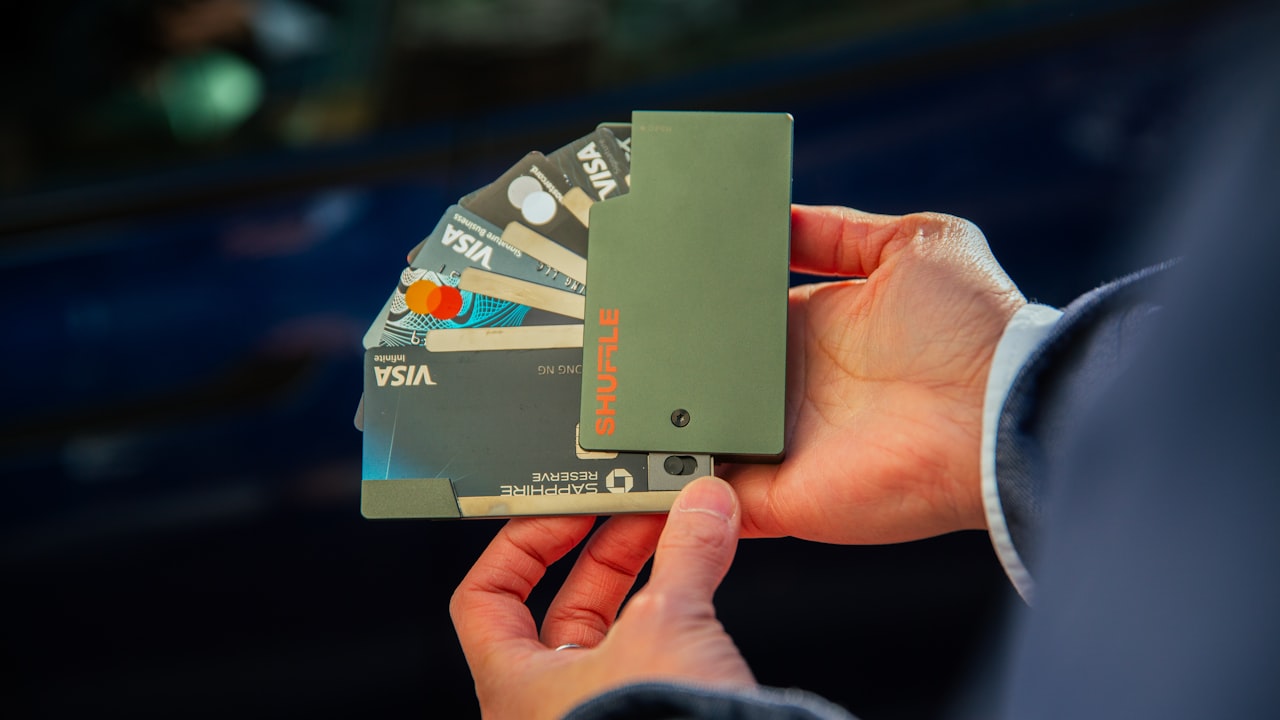
Key metric: Crypto cards added $9 billion in volume in 36 months — faster adoption than Bitcoin reached in its first five years.
Stablecoin Card Market Share: The Leaders and Challengers
The on-chain (non-custodial) stablecoin-card segment shows clear consolidation. As of April 2026, market share breaks down as follows:
RedotPay
- Share: 80.7% | Volume: $5.1 billion cumulative
- Growth driver: On-chain liquidity, high category bonuses (5–8%)
ether.fi Cash
- Share: 6.4% | Volume: $405 million cumulative
- Growth driver: Staking-compatible; 0% FX on USD/EUR
Cypher
- Share: 4.7% | Volume: $297 million cumulative
Gnosis Pay
- Share: 2.6% | Volume: $167 million cumulative
Holyheld
- Share: 2.1% | Volume: $137 million cumulative
MetaMask Card
- Share: 1.0% | Volume: $67 million cumulative
Signal: RedotPay’s 80.7% dominance is real, but the picture changes when you include custodial cards (Crypto.com, Coinbase, Binance, Bybit, Nexo). Those command 40–60% of total crypto-card volume, but operate on centralized infrastructure. For self-custody advocates, ether.fi Cash’s 6.4% on-chain share positions it as the second-largest non-custodial option.
Watch: RedotPay’s supply constraints may force users to alternatives. Monitor Q2 2026 for new issuers, especially in Asia-Pacific.

Best Crypto Cashback 2026: What Cards Offer
Cashback rates stabilized in the 1–3% base range during 2026, with category bonuses reaching **. Here’s how leading cards compare:
ether.fi Cash — Best for global spenders
-
Base cashback: up to 3%
-
FX fee: 0% on USD/EUR, 1% on others
-
Why it wins: Zero FX fees for USD/EUR spenders; staking-compatible
Crypto.com Visa — Best for CRO holders
- Base cashback: variable by tier (1–8%)
- Category bonus: 3–8% on select categories
- FX fee: 1–2% depending on tier
- Why it wins: Tiered rewards reward long-term CRO stakers
RedotPay — Best on-chain volume leader
- Base cashback: variable by tier (1–5%)
- Category bonus: 5–8% on food/groceries
- FX fee: 0–1% by region
- Why it wins: Highest transaction volume; instant payouts
Coinbase Card — Best for simplicity
- Base cashback: 1.5% flat
- FX fee: 2%
- Why it wins: Zero complexity; direct wallet link
Why it matters: Crypto-card cashback (1–15%) now matches or beats traditional credit cards (1–5%). The edge comes from underlying-asset yield: a ether.fi user holding ETH and spending USDC earns both 3% cashback and 4–8% staking yield — a 7–11% total return not available on traditional Visa.
Key metric: Category bonuses are the current cash-grab zone. But promotional rates often expire; base rates (1–3%) are sticky.
Regulatory Landscape 2026: What Changed
Regulatory developments in 2026 reshaped the crypto-card market:
EU — MiCA enforcement (Dec 2024, now live)
- ether.fi Cash is compliant in 27 EU countries
- 3 countries restricted: Netherlands, Finland, Estonia
- Non-compliant issuers exiting EU market
US — SAB 121 relief (active)
- SEC accounting relief accelerated card-program launches
- No federal crypto-card regulation (state-by-state instead)
UK — FCA operational resilience (deadline Q4 2026)
- Crypto-card issuers must meet operational-resilience standards
- Risk: smaller issuers may exit; ether.fi is on track for compliance
LATAM — Crypto-friendly boom
- Argentina: no restrictions; ether.fi ships to Argentina
- Brazil: approved crypto-card licensing; physical card shipping available
- Mexico: leading Latin American crypto adoption; supply strong
Risk: The UK’s FCA deadlines will force consolidation. If operational resilience costs exceed revenue, issuers will exit the market. Smaller players (Gnosis Pay, Holyheld) may struggle.
Watch: Monitor UK-specific announcements in Q3 2026. Any major issuer exit signals tightening compliance costs.
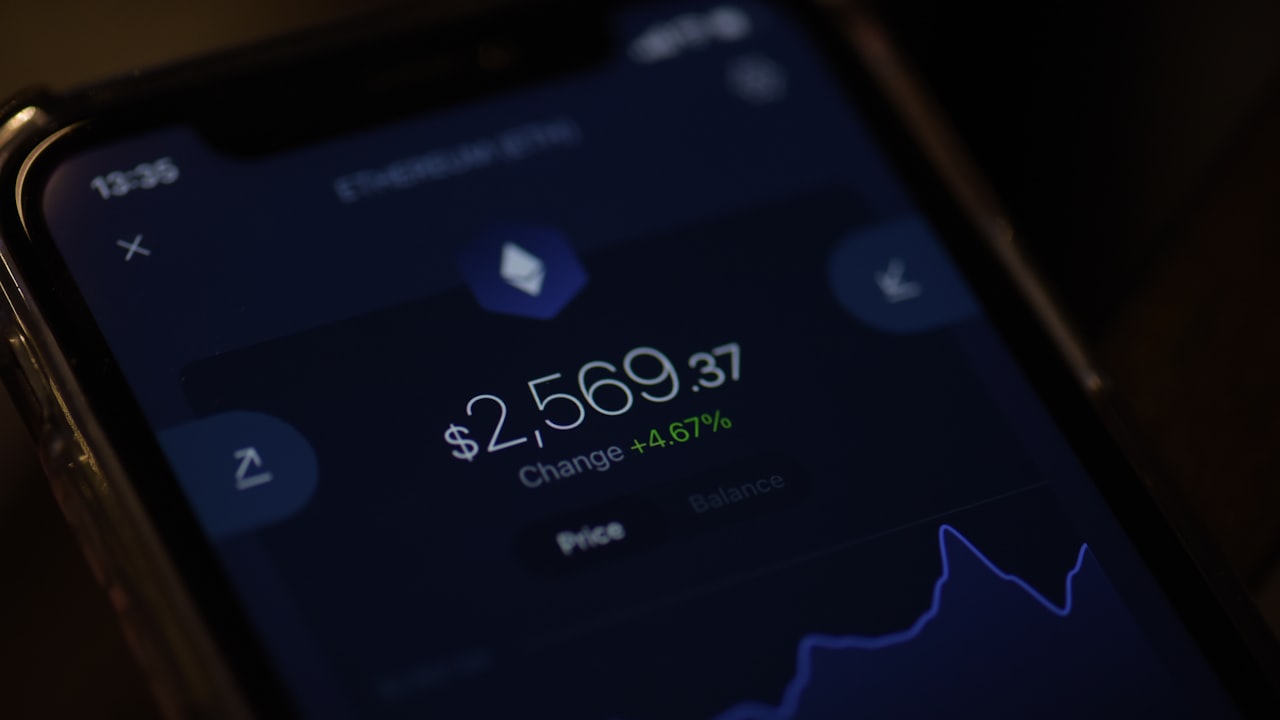
What to Watch in the Second Half of 2026
EU/UK regulatory decisions (Q2–Q3) Several smaller issuers will likely announce exits or re-domiciling to avoid compliance costs.
APAC expansion Singapore and Hong Kong are finalizing crypto-card regulatory frameworks. Approval could unlock $2B+ in new volume by Q4.
Cashback rate wars Expect normalization to 5–8% range by Q4 as competition matures.
Cross-border remittance partnerships New integrations with remittance providers could add $3B+ annual volume from unbanked users.
The Bottom Line
- Crypto card growth 2026 is real: Market volume jumped from ~$9B (2023) to ~$18B (Q1 2026), with $30B projected by December — a 106% compound annual growth rate.
- Stablecoin-card consolidation accelerating: RedotPay and ether.fi Cash combined command 87% of non-custodial volume. Custodial cards (Crypto.com, Coinbase) hold separate market dominance.
- Best crypto cashback in 2026 ranges 1–15%: Base rates (1–3%) match credit cards. Category bonuses and underlying-asset yield (3–8% APY) differentiate winners. ether.fi’s 0% FX on USD/EUR plus staking compatibility makes it ideal for global spenders.
- If you spend globally in USD/EUR, sign up for ether.fi Cash to earn 3% cashback plus zero FX fees — and collect staking rewards on your holdings simultaneously.