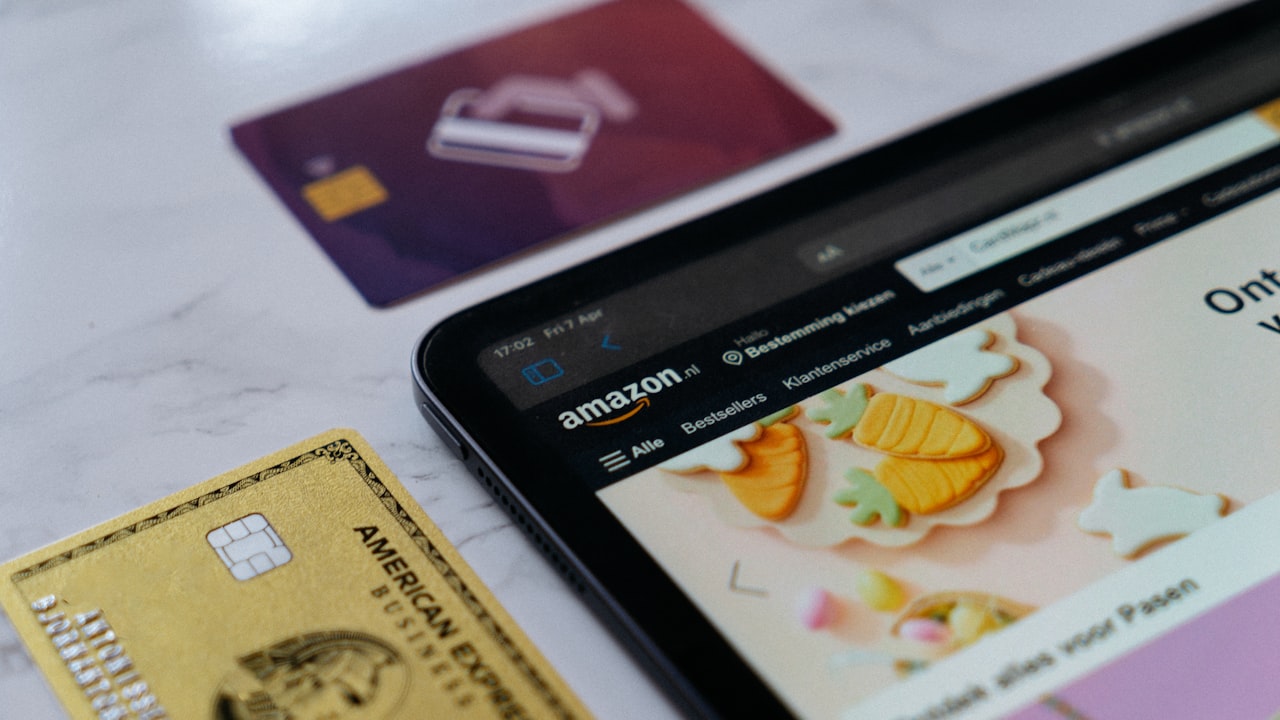
How Cashback Works: Traditional vs. Crypto
Cashback is a reward system where merchants and card networks share a percentage of your spending with you. On traditional credit cards, cashback typically ranges from 1% to 5% and accumulates in a “points account” that you redeem later for cash, travel, or merchandise.
Crypto cashback works fundamentally differently. When you spend on a crypto card (Visa or Mastercard-backed), the reward settles as actual cryptocurrency in your wallet within hours.
Key metric: Average traditional credit-card cashback is 2.1 % globally. Crypto cards now match or exceed this with up to 3 % base rates, often with promo categories reaching 15 %.
Why it matters: Crypto cashback removes the redemption friction. You don’t wait for points to accumulate or navigate a rewards portal. The asset is yours immediately.
What Is Cashback in Crypto: The Mechanics
Here’s the step-by-step process:
- You swipe your crypto card at a merchant (online or in-person).
- The card processor settles the transaction as fiat (USD, EUR) with the merchant.
- The card issuer calculates your cashback as a percentage of that transaction.
- Reward converts to crypto and deposits to your wallet.
- You own it outright — no vesting period, no restrictions.
Risk: Cashback rates are not guaranteed. Issuers can change promotional rates without notice. Always verify current rates on the issuer’s official website before committing.
For example, the ether.fi Cash card settles rewards on the Scroll Network, a low-cost Ethereum scaling solution. This keeps settlement fees minimal while maintaining security.
Cashback on ether.fi Cash: A Concrete Example
ether.fi Cash offers a tiered structure:
- Core tier ($2,000/month limit): up to 3 % base cashback + **(dining/groceries).
- Luxe tier ($10,000/month limit): Enhanced rates and faster physical card shipping.
- Pinnacle tier ($50,000/month limit): Premium perks, 1–3 business day expedited shipping.
Signal: If you spend $10,000/month on groceries, a Luxe or Pinnacle card maximizes your earning potential.
Key metric: Moving from Core to Luxe can unlock an additional 0.5–1 % in effective rewards depending on your spending mix.
The card also features 0 % FX fees on USD and EUR transactions—a major advantage for international spenders. Non-major currencies incur a 1 % FX fee.
Rewards settle in Scroll Network tokens (the native reward ecosystem), which you can swap to ETH, stablecoins, or hold for long-term appreciation.
Multi-Chain Crypto Cards: What Are They?
What is a multi-chain crypto card? A card that allows you to fund transactions or receive rewards across multiple blockchain networks—Ethereum, Polygon, Arbitrum, Scroll, Solana, etc.—rather than locking you into a single chain.
Why it matters for crypto users:
- Lower costs: You can bridge funds on whichever chain has the cheapest gas at any moment.
- Flexibility: If one chain is congested, you use another.
- Faster settlements: Different chains have different confirmation speeds. Multi-chain cards let you pick.
Key metric: Using a multi-chain card versus single-chain rivals can reduce total transaction costs by 20–40 %.
Watch: As Layer 2 networks (Arbitrum, Optimism, Polygon) mature, multi-chain adoption is accelerating. Check your card issuer’s roadmap for planned network additions.
For instance, ether.fi Cash originally settled on Ethereum mainnet but now uses Scroll Network for lower fees. This is a multi-chain evolution—the issuer optimized for cost without removing assets from the Ethereum ecosystem.
What Is a Chargeback on a Crypto Card?
A chargeback is the opposite of cashback. It occurs when you dispute a transaction—for example, if:
- You didn’t authorize the purchase.
- Goods or services weren’t delivered as promised.
- Fraud was detected on your account.
When a chargeback is initiated, your card processor reverses the transaction and returns funds to the cardholder or initiating bank.
How chargebacks differ from cashback:
- Cashback: You earn a reward on successful, legitimate spending.
- Chargeback: The full transaction amount is returned after a dispute.
Risk: On crypto cards, repeated chargebacks can trigger account freezes, card deactivation, or mandatory reviews. Crypto issuers rely on merchant trust—excessive disputes damage that relationship.
Why it matters: Unlike traditional banks, crypto card issuers have fewer dispute-resolution frameworks. A single unjustified chargeback claim can result in permanent account closure.
Always verify merchant legitimacy before large purchases, especially overseas. Use your card’s dispute process responsibly.
How Crypto Cashback Differs from Traditional Rewards
Traditional credit cards:
- Rewards accumulate as “points” in an account you don’t control.
- You redeem points for gift cards, cash, or travel at fixed exchange rates.
- Rewards take weeks or months to post.
- The issuer holds your rewards; you have no control over them.
Crypto cards:
- Rewards settle as actual cryptocurrency in your self-custodial wallet.
- You own the reward immediately—no redemption step.
- You control when/if/how to use or sell the reward.
- Settlement is automatic, often within 24 hours.
- If the reward asset appreciates, you benefit directly.
Why it matters: Crypto cashback aligns incentives. You’re earning an asset you already believe in, not locked-in points with a fixed dollar value.
The Tax Angle: Is Crypto Cashback Taxable?
Yes. In most jurisdictions, crypto cashback is taxable income. Here’s how:
- At receipt: When you earn $100 in USDC cashback, that’s $100 of taxable income at the USD fair-market value on the day you receive it.
- On sale: If you later sell that USDC at a profit, you owe capital gains tax on the appreciation.
Example: You earn $100 USDC cashback when USDC trades at $1.00. Tax basis = $100 income. Three months later, you sell it at $1.02. You owe long-term capital gains tax on the $2 profit plus $100 ordinary income on the initial reward.
Signal: Keep meticulous records of every cashback reward: date, amount, USD value at settlement, and eventual sale price. Tax authorities expect this detail.
Why it matters: Many users underestimate their tax burden. The “free money” feeling masks a real compliance obligation. Consult a crypto tax accountant if your cashback exceeds $1,000/year.
How to Maximize Your Crypto Cashback
- Prioritize high-reward categories. If your card offers, concentrate discretionary spending there.
- Tier up if volume justifies it. Moving to Luxe costs nothing—if you spend $5,000+/month, the higher reward rates pay for themselves.
- Use the card for recurring expenses. Groceries, utilities, and subscriptions are predictable high-frequency spends—ideal for steady cashback accumulation.
- Monitor FX fees. If you’re in a non-USD/EUR region, the 1 % FX fee reduces effective cashback to 2 % base (3% – 1% fee). Use a local stablecoin if available.
- Reinvest rewards. Hold cashback in high-yield DeFi or simply accumulate for long-term position building.
Signal: Crypto cashback cards are most attractive to users who already hold crypto, spend regularly, and believe in the long-term value of the reward asset.
Common Misconceptions About Crypto Cashback
Myth 1: “Crypto cashback is guaranteed to be 3%.”
False. Rates change. Promotional tiers expire. Card issuers can adjust terms with notice. Always verify current rates on the official website.
Myth 2: “I get cashback instantly.”
Not quite. Settlement usually takes 24–72 hours, not seconds. Some issuers may batch rewards daily or weekly.
Myth 3: “Crypto cashback is risk-free money.”
No. You own the reward—you own the volatility. A 3 % cashback in ETH could lose 20 % of its value if the market dips. Treat it as a real asset, not a points coupon.
Myth 4: “All crypto cards offer cashback.”
No. Some offer foreign-exchange discounts, spending limits, or lock features instead. Always compare the full feature set.
Myth 5: “Chargebacks never happen on crypto cards.”
Rare, but possible. Unauthorized transactions, fraud, or merchant disputes can trigger chargebacks. Use your card responsibly.
Why Crypto Cashback Matters in 2026
As crypto adoption accelerates, cashback cards bridge two ecosystems: traditional commerce (Visa, fiat merchants) and crypto (decentralized wallets, self-custody). You can spend like a normal person but earn like a crypto native.
Key metric: Crypto-card spending hit $607 million in March 2026 alone—a 106 % YoY growth rate.
Watch: Regulation is tightening. MiCA in the EU and new US guidance may require issuers to disclose reward volatility in marketing. Expect transparency labels similar to mutual-fund prospectuses by late 2026.
Next Steps: Earning Your First Cashback
If you’re ready to start earning, here’s the process:
- Sign up with your email and complete KYC (government ID, selfie, address proof).
- Choose your tier (Core, Luxe, or Pinnacle) based on your expected monthly spend.
- Activate your card (virtual first, then order physical if desired).
- Start spending at any Visa merchant worldwide.
- Watch your cashback accumulate in real time in your wallet.
[Activate your ether.fi Cash card now
] and start earning today.