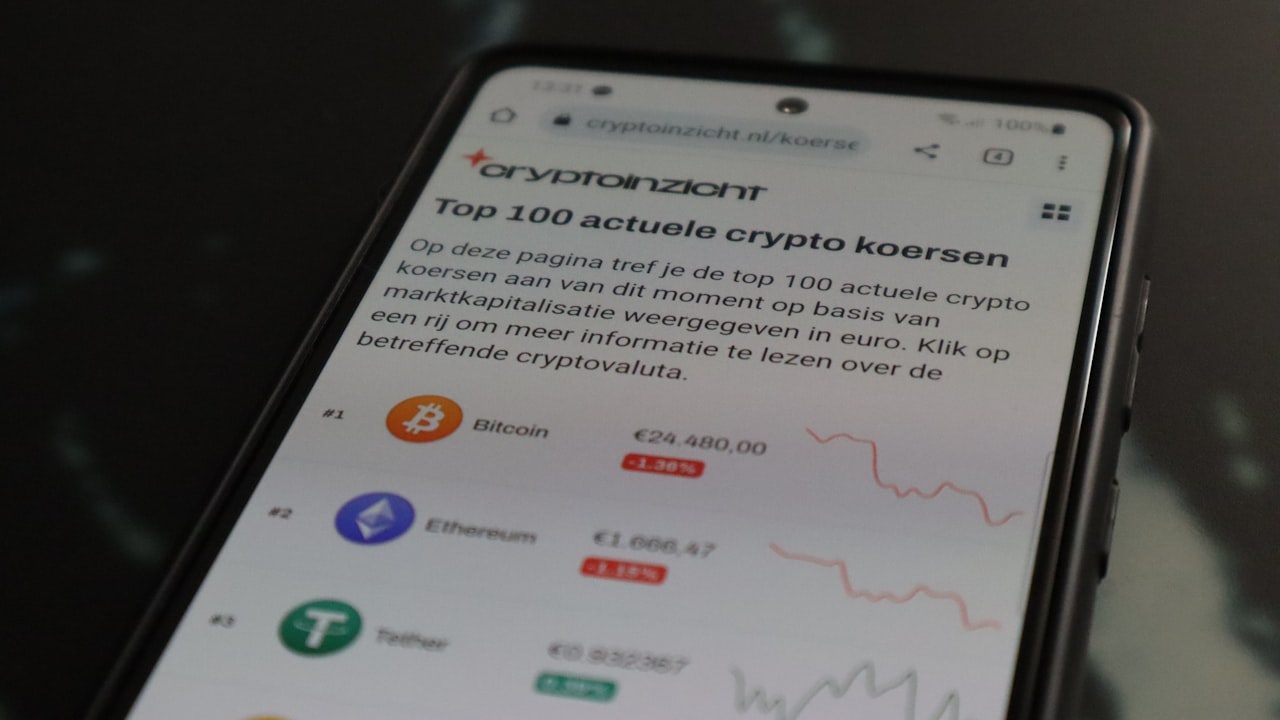
Non-Custodial Wallets: Full Control, Full Responsibility
When you use a non-custodial wallet—like MetaMask, Ledger, or Trezor—you hold the private keys. No one else can access your funds, freeze them, or require permission to transact. You are the bank.
Signal: Non-custodial is the path for users who distrust intermediaries and accept the burden of managing their own keys. If you’ve memorized a seed phrase or stored it in a safe, non-custodial is your model.
The appeal is genuine:
- True ownership. Your assets are yours alone. No platform can suddenly limit your withdrawals or close your account.
- Privacy. Most non-custodial wallets don’t require identity verification. You can remain pseudonymous.
- Censorship resistance. Because you control the keys, no government or company can block your transactions at the network level.
But the burden is equally genuine:
- You lose keys, you lose funds. There is no “forgot password” recovery if you don’t back up your seed phrase carefully.
- UX friction. Managing gas fees, signing transactions, approving contracts—it requires technical literacy.
- Cold storage is inconvenient. To be truly secure (keys offline on a hardware wallet), spending crypto becomes a multi-step process.
Why it matters: Non-custodial wallets are not spending instruments out of the box. They’re vaults. To spend from a cold wallet, you must move crypto to a hot wallet first—a delay that defeats the purpose of instant crypto payments.
Custodial Wallet Cards: Convenience Over Control
Custodial cards flip the model. You create an account with a card issuer, pass KYC, and the issuer holds your crypto. You get a Visa or Mastercard that draws from their balance sheet. You spend instantly. You get cashback or yield.
Signal: Custodial cards are built for the majority of people who want to spend crypto like fiat—tap, done. If you use Crypto.com or Coinbase cards today, you’re in the custodial model.
Why custodial cards work for spending:
- Instant settlements. Swipe a card, and the merchant gets USD or EUR in milliseconds. No waiting for blockchain confirmation.
- Fraud protection. Visa/Mastercard chargeback rules apply. Scammed? You have recourse.
- Unified balances. One account, one card, no bridging between chains. Simplicity.
- Cashback and rewards. Custodial cards add value—up to 3 % cashback, or yield if you deposit crypto.
The trade-off:
- KYC is mandatory. The card issuer must know who you are (legal requirement everywhere cards operate).
- Counterparty risk. If the issuer fails, your funds may be locked or lost (though reputable issuers hold insurance).
- Regulatory risk. A new law could restrict card issuers overnight.
Why it matters: Custodial cards solve the problem that non-custodial wallets create: spending friction.
Spending Crypto vs Hodling: How Custody Affects Your Strategy
Here’s a subtle but important distinction: the custody model shapes whether you can spend and hodl at the same time.
If your ETH is staked in a smart contract (earning ~3% APY), and you want to buy coffee, you face a choice:
- Unstake, then spend (1–2 day delay, ~$30 gas fee, no APY during unstaking)
- Use a second, unstaked wallet (friction, requires managing two keys)
Neither is ideal. You choose between staking yield and spending convenience.
Some custodial cards, like ether.fi Cash, let you deposit staked ETH and earn yield while your balance remains accessible for spending. The card issuer holds your staked ETH, staking it on your behalf, and you earn the yield. You never hold the keys, but you get both benefits.
Key metric: ether.fi Cash offers up to 3 % cashback on card spending, plus staking yield on your balance—a rare combination of yield and liquidity.
Why it matters: The choice between non-custodial and custodial is inseparable from your spending intentions. If you hodl and never spend, self-custody wins. If you spend regularly, custodial cards win. If you want both, a custodial card with staking is the bridge.
Crypto Loan Cards vs Prepaid Cards: Understanding the Difference
Within the custodial category, there’s a second spectrum: loan-based vs. prepaid.
Prepaid cards (the majority):
You deposit crypto, the issuer holds it and issues a card that spends against that balance.
- Example: Crypto.com Visa card, Coinbase card, ether.fi Cash.
- Model: Custodial, no leverage.
- Rewards: Usually cashback or staking yield.
Loan cards (emerging):
You deposit crypto as collateral, borrow stablecoins or fiat, and spend the borrowed amount. You remain exposed to your collateral.
- Example: Nexo Card, historical BlockFi.
- Model: Custodial collateral + borrowed spending power.
- Cost: You pay interest on the borrowed amount (e.g., 8% APY).
- Risk: If collateral drops below a threshold, it gets liquidated (auto-sold).
Key difference: With a prepaid card, you’re spending money you own. With a loan card, you’re borrowing against it.
Risk: The tension between “spending crypto vs hodling” plays out differently. A prepaid card user who wants to hodl can choose a card that offers staking yield. A loan card user must choose: take the liquidation risk or pay interest on borrowed money.
The Security Question: Who Bears the Risk?
Non-custodial:
- Best case: Your keys are safe, your assets are untouchable.
- Worst case: You lose the keys, or a contract exploit drains the wallet. You eat the loss. No recourse.
Custodial card:
- Best case: The issuer is solvent, insured, and operates transparently. You spend safely, earn rewards.
- Worst case: The issuer fails (e.g., FTX) or a hack occurs. Your funds may be lost or frozen. You have legal recourse, but recovery is slow.
Which is “safer”? Neither is universally safer. It depends on:
- Your technical skill. If you lose keys easily, non-custodial is dangerous. If you can’t assess issuer trustworthiness, custodial is risky.
- Issuer reputation. A card from a licensed, regulated, insured entity (like ether.fi, with Visa backing) is safer than a young startup.
- Regulatory environment. In countries with strong financial regulation, custodial cards get protection. In unregulated jurisdictions, it’s uncertain.
Watch: Neither model is risk-free. Non-custodial shifts risk to you (key management). Custodial shifts risk to the issuer (operational security, solvency).
What to Watch
- Regulatory shifts in your jurisdiction. Card issuers operate under MiCA (EU), emerging US rules, and jurisdiction-specific regulations. A tightening could restrict access. Check your local financial authority’s stance quarterly.
- Issuer solvency and insurance updates. If using a custodial card, follow the issuer’s blog for announcements on reserves, audits, or insurance coverage. Red flag: silence on these topics.
- Non-custodial wallet security patches. Security researchers regularly discover vulnerabilities. Update your wallet software and stay informed via the provider’s security mailing list.
- Your own spending patterns. Are you spending crypto more or less frequently? A shift in lifestyle may tip you from one model to another. Revisit annually.
- Card issuer fee adjustments. Custodial cards often adjust earning rates, FX margins, or annual fees. Monitor announcements to decide if the card still fits.
Bottom Line
- Non-custodial wallets give you complete control and privacy but require careful key management and create friction for spending. Best for long-term hodling and users who distrust intermediaries.
- Custodial cards provide instant spending, fraud protection, and often reward cashback or yield, but require KYC and expose you to issuer risk. Best for regular spenders and users who value convenience.
- You don’t have to choose. Many users keep assets in both models: non-custodial vaults for security, custodial cards for spending. If you want both benefits in one product, try ether.fi Cash—a custodial card that lets you earn staking yield while you spend.
- The real decision is personal. Your technical comfort, spending frequency, trust tolerance, and regulatory environment all matter. Evaluate honestly, and revisit your choice when circumstances change.
FAQ
Q: Can I convert a non-custodial wallet into a custodial card?
A: No, they’re separate systems with different architectures. However, you can send crypto from a non-custodial wallet to a custodial card account. Once you deposit, the card issuer holds it. This is a one-way transfer: after moving your crypto to the card, the issuer controls it.
Q: Is a custodial card subject to account freezes or limits?
A: Yes. The card issuer can freeze or restrict your account if they detect suspicious activity, you breach their terms, or a regulator orders them to. Non-custodial wallets cannot be frozen at the protocol level, though the assets can be stolen if the wallet is compromised.
Q: Do I owe taxes on staking yield from a custodial card?
A: Yes, in most jurisdictions. Staking yield is taxable income in the year you earn it, whether you receive it from a non-custodial staking contract or a custodial card. Keep records of all rewards for tax reporting.
Q: Can I use both a non-custodial wallet and a custodial card at the same time?
A: Absolutely. This is a sensible strategy: hold the majority of your crypto in a secure non-custodial wallet, and keep a smaller balance on a custodial card for everyday spending. It combines the security of self-custody with the convenience of a card.
Q: Which is faster for spending: non-custodial or custodial?
A: Custodial cards are faster. Swiping a card settles instantly via Visa/Mastercard networks (seconds). Non-custodial wallet transactions require blockchain confirmation, which can take 3–60 seconds depending on network congestion. For real-world spending convenience, custodial wins.
Q: What happens to my rewards if a custodial card issuer shuts down?
A: It depends on the issuer’s insurance and bankruptcy proceedings. Reputable issuers (like Crypto.com and ether.fi) maintain insurance and have outlined what happens to user balances in case of insolvency. Always check the issuer’s insurance policy and terms of service before depositing significant amounts.
Risk & Disclosure
DefyCard publishes affiliate-linked reviews; we earn a commission when you sign up for ether.fi Cash through our link. This article is educational and not investment advice.
Crypto assets are volatile. The value of your holdings can drop 50% in a week. Neither non-custodial wallets nor custodial cards protect you from price swings. Custody models only address who controls the keys, not market risk.
Custodial card issuers operate in regulated jurisdictions and must comply with KYC/AML rules, which may restrict your eligibility by country or region. ether.fi Cash is available in 76 countries but not all. Before choosing a custodial card, verify it’s available in your jurisdiction. Before using a non-custodial wallet, ensure you can safely store a seed phrase.