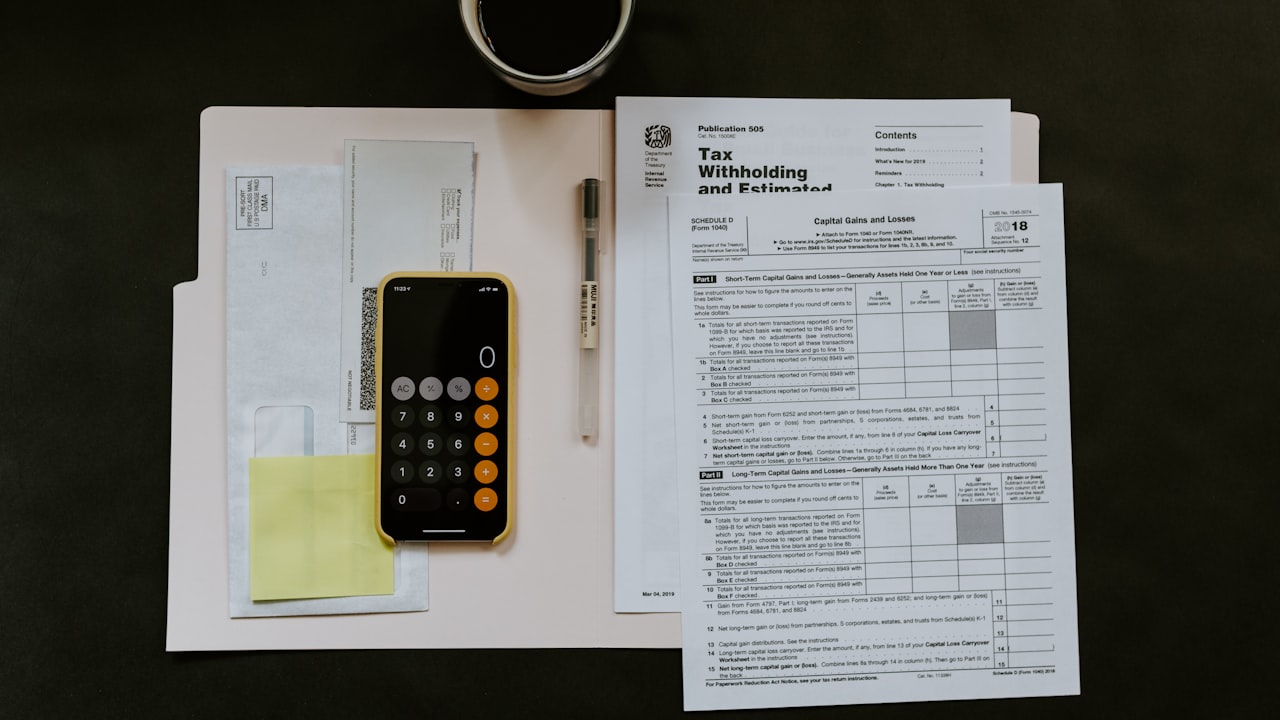
How Crypto Cards Trigger IRS Reporting
Crypto cards are payment instruments—not exchanges. But they sit at the intersection of two regulated spaces: payment networks (Visa) and digital assets (crypto). That intersection is where tax reporting begins.
Signal: If your card issuer stores or converts crypto on your behalf, they may be classified as a digital-asset broker. The IRS has signaled enforcement interest in unreported transactions since 2024.
When you load a crypto card with stablecoins (USDC, USDT) or other digital assets, the issuer may custody your assets. If you later spend that card, you may generate taxable gains (if you bought the crypto lower) or ordinary income (if you earned it via staking, mining, or rewards).
The key question: Does the card issuer report you? That depends on the issuer’s compliance model.
Ether.fi Cash: Non-Custodial Compliance
Ether.fi Cash is non-custodial—you retain self-custody of your ETH. The card links to your liquid staking position, not to a custodial account. This distinction matters for tax reporting.
Key metric: Because you control the private keys, ether.fi Cash does not file Form 8949 or Form 1099-MISC on your behalf. But this does not exempt you from reporting.
Why it matters: Self-custody shifts the record-keeping burden to you. You must track when you acquired the ETH, fair-market value at spend time, and whether the spend resulted in a gain or loss. This is your compliance responsibility, not the issuer’s.
Crypto.com Card: Custodial Reporting
Crypto.com Card is custodial—the platform holds your crypto in their wallets. Crypto.com’s U.S. entities are regulated payment service providers and are exposed to IRS reporting requirements.
Risk: Crypto.com has stated (in their T&Cs) that they may report customer activity to tax authorities. If your trading volume or staking income is high, expect potential Form 1099-NEC or Form 8949 filings.
US Tax Reporting Requirements
In the United States, the IRS treats crypto as property. Here’s the current reporting landscape:
When You Must File
- Transactions ≥$20K and ≥200 transactions annually — File Form 8949 (Sales of Capital Assets).
- Income from crypto (staking, mining, rewards) — File Form 1099-NEC if the issuer reports it to you.
- Foreign financial accounts — If you hold crypto in a foreign exchange, you may need to file FinCEN Form 114 (FBAR).
Why it matters: The IRS increased reporting pressure on custodial platforms in 2024–2025. Crypto.com, Kraken, and other U.S.-regulated custodians must report customer transactions via Form 8949 (when applicable) or Form 1099-MISC.
Record-Keeping Threshold
The IRS does not publish a minimum transaction threshold. You are required to report all taxable events, even small ones. A single $5 stablecoin-to-USD transfer is technically reportable if it results in a gain.
In practice, audits focus on high-volume traders or large year-end discrepancies. But the legal requirement is comprehensive—keep records of everything.
Forms You May Encounter
- Schedule D: Report here after any crypto sale or transfer. You file this; it must match brokerage reports you receive.
- Form 8949: Year-end summary of sales and transfers. File with your Form 1040.
- Form 1099-NEC: Issued for earned crypto (staking, mining, rewards). Custodial platforms (Crypto.com, Coinbase, etc.) file this. Report as ordinary income.
- Form 1099-MISC: Miscellaneous crypto income. Report this as taxable income.
Signal: If you receive a 1099 form from your card issuer, you must file it. Mismatches between your filing and the issuer’s report trigger an IRS notice.
International Compliance (EU/UK and Beyond)
European Union
The EU’s Markets in Crypto-Assets Regulation (MiCA), effective January 2024, requires crypto service providers (including card issuers) to report customer transactions to national tax authorities.
Key metric: If ether.fi Cash is available in your EU country, the issuer must comply with MiCA reporting. This means your identity is registered, large transactions are automatically reported to your national tax authority (HMRC in UK, Finanzamt in Germany, etc.), and record-keeping is mandatory.
Why it matters: The EU threshold for automatic reporting is typically €10,000 per transaction for suspicious activity; regular reporting triggers at lower amounts depending on the member state.
United Kingdom
The UK’s FCA regulates crypto-card issuers as payment institutions. For tax purposes, HMRC treats crypto as property, similar to the IRS.
Watch: The UK is implementing beneficial-ownership registration and economic-substance requirements. If you use a crypto card for substantial business income, you may need to register as self-employed.
Other Jurisdictions
Countries like Singapore, Australia, and Japan have published clear crypto-tax guidance. But ether.fi Cash may not be available in all jurisdictions—verify on the ether.fi help center before assuming you can use it.
Ether.fi Cash vs. Crypto.com: Compliance Comparison
These two cards take very different approaches to custody and reporting.
Ether.fi Cash is non-custodial. You retain self-custody of your ETH. The issuer does not file Form 8949 or 1099-MISC on your behalf. Your responsibility: Track all transactions yourself and file Schedule D for gains/losses.
Signal: Self-custody means you have total control, but also total responsibility. You cannot rely on the issuer for year-end forms.
Crypto.com Card is custodial. Crypto.com holds your assets and is regulated as a payment service provider. Crypto.com reports to the IRS for high-volume accounts, issuing Form 1099-NEC or Form 8949 by January 31.
Why it matters: The issuer collects data, but you still reconcile and file Form 1040 + Schedule D. Crypto.com’s reporting makes your job easier—you have official records—but you must match them to your own records.
Record-Keeping Best Practices
Whether you use ether.fi Cash, Crypto.com, or any card, you must maintain detailed records:
- Date of transaction — When you spent or received crypto.
- Amount in crypto — How much (ETH, USDC, etc.) changed hands.
- Fair-market value at time of transaction — This determines your gain/loss. Use CoinMarketCap, CoinGecko, or IRS-approved providers.
- Cost basis — What you paid when you originally acquired the crypto.
- Type of transaction — Spend, transfer, withdrawal, reward, etc.
- Supporting evidence — Screenshots, CSV exports, blockchain explorer links.
Signal: The IRS does not require blockchain data, but you must produce it on demand. Store receipts for at least 3 years (7 if audited).
Regulatory Changes in 2026
Watch: The U.S. is expected to finalize Form 8949 reporting rules for crypto brokers in mid-2026. These rules may lower the transaction threshold from $20K to $5K, increasing compliance burden significantly.
Why it matters: If you use custodial cards like Crypto.com, the issuer will bear the new reporting load. If you use non-custodial cards like ether.fi Cash, you’ll need to adapt your own record-keeping.
Stay informed by subscribing to IRS updates (irs.gov/newsroom) and consulting a tax professional if your transactions are complex.