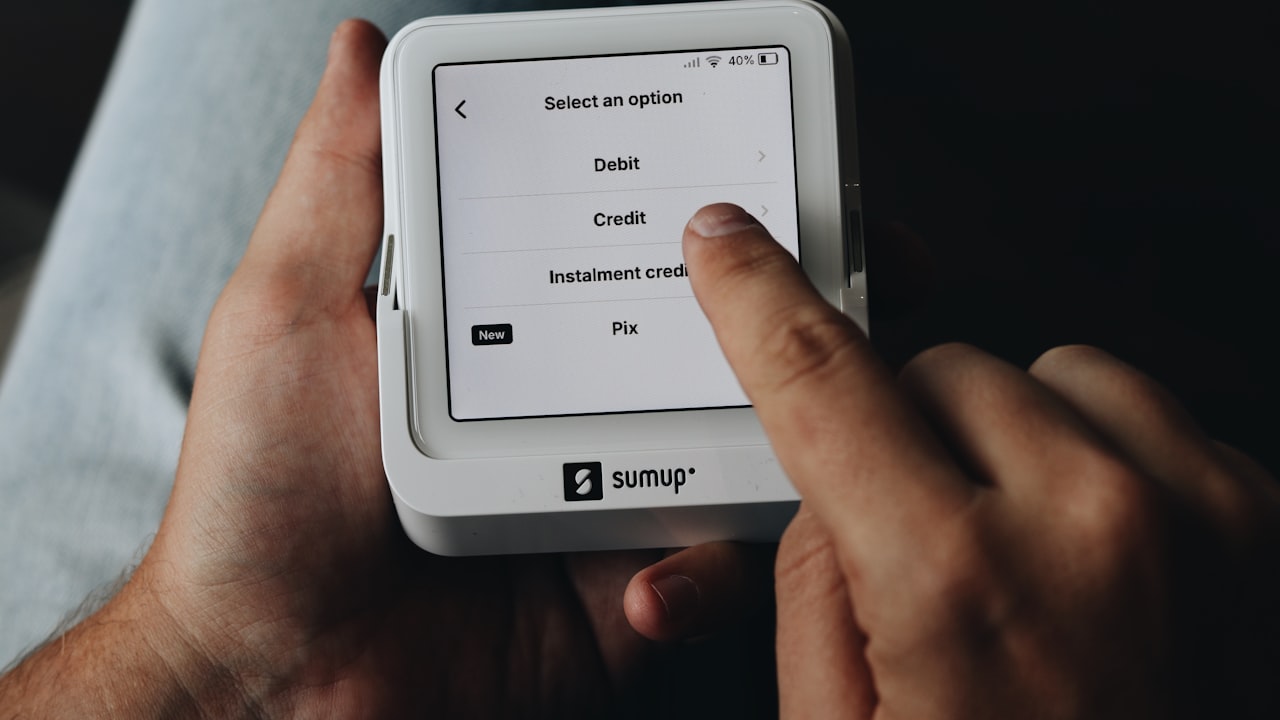
What Is a Crypto Debit Card?
A crypto debit card is a payment card linked to a cryptocurrency or stablecoin wallet instead of a bank account. When you swipe the card, the payment processor converts your crypto to local currency and deducts the balance from your wallet. No debt, no credit line — just spend-as-you-go from assets you already own.
Signal: If you hold stablecoins like USDC or USDT, a crypto debit card lets you spend them directly without converting them to fiat and waiting for a bank transfer.
Crypto debit cards come in two flavors:
- Custodial cards (Crypto.com, Coinbase): The issuer holds your crypto; you authorize spends and the card pulls from their wallet.
- Non-custodial cards (ether.fi Cash, RedotPay): You keep the keys; the card is a spending layer on top of your self-custody wallet.
Non-custodial cards eliminate intermediary risk — if the card issuer fails, your funds stay with you. If you’re new to crypto cards, this guide walks you through setup.
What Is a Traditional Debit Card?
A traditional debit card is linked to a bank account. You deposit fiat money into the account, and the card lets you spend it at merchants and ATMs. The bank holds your funds, clears payments, and manages fraud protection.
Why it matters: Traditional debit cards are regulated and insured in most countries — your balance is protected up to a statutory limit (FDIC in the US, DGSD in the EU). Traditional debit offers certainty and legal recourse. You can’t lose your funds to an exchange hack or an issuer default — your bank guarantees the balance.
Crypto Debit vs Traditional Debit: Custody and Control
The core difference is custody — who holds the money. A crypto card vs traditional debit card comes down to who you trust with your funds.
Crypto debit (non-custodial):
- Holder: You retain the keys; issuer is a payment layer only
- Risk: Self-custody security (loss of keys = loss of funds)
- Privacy: Blockchain-based, mostly pseudonymous
- Reversibility: Blockchain spends are final; chargebacks not typical
Crypto debit (custodial):
- Holder: Card issuer holds your crypto
- Risk: Issuer solvency and security
- Privacy: Full KYC’d
- Reversibility: Some offer chargebacks
Traditional debit:
- Holder: Bank only
- Risk: Bank insolvency (rare, legally insured)
- Privacy: Full KYC’d, regulatory oversight
- Reversibility: Chargebacks and reversals are standard
Risk: If you choose a custodial crypto card, you’re trusting an exchange. If you choose non-custodial, you’re managing your own private keys — loss of keys = loss of funds. Traditional debit puts trust in a regulated bank.
Crypto Debit vs Traditional Debit: Fees and Rewards
This is where crypto card vs traditional debit card spending really diverges.
Crypto debit (like ether.fi Cash):
- Cashback: up to 3 % on spending
- FX fee: 0 % on USD/EUR, 1 % on other currencies
- ATM fee: typically 2 %
- Card issuance: often free or low deposit
Traditional debit:
- Cashback: 0–1 % (if any)
- FX fee: 1–3 % on international spends
- ATM fee: $2–$3 per withdrawal
- Card issuance: free
Key metric: Over a year, if you spend $10,000 internationally, a crypto card saves you $100–$300 in FX fees alone. Add 3 % cashback, and you’re ahead $300–$400. This compounds.
Why it matters: The fee difference compounds. Crypto cards can be 10–20 % cheaper if you travel or spend internationally.
Stablecoins: The Bridge Between Crypto and Debit
Stablecoins like USDC and USDT are cryptocurrencies tied to fiat values (usually $1 = 1 USDC). They combine crypto wallet benefits with debit-card predictability. If you’re not sure what stablecoins are, read our stablecoin explainer.
If you hold stablecoins, a stablecoin card vs traditional debit card gives you:
- No need to convert to fiat and wait for bank processing
- Spending straight from your wallet
- Potential cashback / rewards in crypto or fiat
Signal: A stablecoin card vs traditional debit card is the fastest way to spend crypto globally without touching a bank.
When to Choose Crypto Debit vs Traditional Debit
Choose crypto debit if you:
- Hold stablecoins or long-term crypto you don’t want to sell
- Spend internationally (the FX savings are significant)
- Want to earn rewards on every transaction
- Prefer non-custodial control (for non-custodial cards)
- Live in a jurisdiction where crypto cards are available (US, UK, EU, LATAM, Asia — check your country)
Choose traditional debit if you:
- Want maximum regulatory certainty and consumer protection
- Live in a jurisdiction where crypto cards aren’t yet available
- Don’t hold crypto and don’t plan to
- Value the ability to dispute / reverse transactions
- Prefer the simplicity of a single bank relationship
Alternative: Many people use both — traditional debit for everyday spending and crypto debit for specific use-cases (travel, stablecoin holdings, international freelance payments).
Why We Focus on Debit, Not Credit
Credit cards are debt instruments — you borrow money and pay it back with interest. Debit cards spend money you already have. This guide focuses on debit because crypto cards are fundamentally debit products. If you’re considering a crypto credit card, that’s a different (and rarer) product category. For now, debit dominates the crypto card market and offers the most practical yield-while-spending potential.
Risk and Disclosures
DefyCard publishes affiliate-linked reviews; we may earn a commission when you sign up for crypto cards through our links.
Crypto asset volatility: If you hold volatile crypto assets (like ETH), a crypto debit card exposes you to price fluctuations. Your spending power changes with the asset price. Stablecoins eliminate this risk, but stablecoins themselves carry risks (peg stability, issuer solvency).
Custody risk: Non-custodial cards are secure from issuer defaults, but you’re responsible for keeping your private keys safe. Loss of keys = permanent loss of funds, with no recovery or insurance.
Regulatory uncertainty: Crypto debit cards are not yet available in all jurisdictions. Regulations are evolving globally, and availability may change by country. ether.fi Cash is currently unavailable in: Belarus, Bangladesh, China, Cuba, Estonia, Finland, India, Iraq, Israel, Nepal, Netherlands, North Korea, Philippines, Russia, Syria, Turkey, Ukraine, Venezuela, Vietnam, and 21 US states (AZ, DE, GA, ID, LA, MD, MS, MO, MT, NV, NM, ND, OH, OR, RI, SD, TN, VT, WA, WI).
No chargebacks: Crypto transactions are irreversible by design. You can’t dispute a spend or ask the card issuer to reverse it. This is different from traditional debit, which offers strong consumer protections.