What Does “Regulated” Actually Mean for Crypto Cards?
When we say a crypto card is “regulated,” we mean an licensed payment-card issuer (not a bank, but a fintech or CASP—Crypto-Asset Service Provider) operates under government oversight. That issuer must comply with anti-money-laundering (AML) and know-your-customer (KYC) rules, just like Visa and Mastercard do.
Signal: “Regulated” does NOT mean “risk-free.” It means licensed, audited, and subject to penalties if rules are broken. But regulation also prevents you from using a card in an outlaw jurisdiction.
Take ether.fi Cash. It’s issued by a Visa partner and operates under MiCA (EU), FinCEN (US), and local laws in 76 countries. The issuer holds a payment-license. That’s regulatory compliance at scale.
Unregulated cards (usually from unregistered platforms) skip KYC entirely. They vanish overnight when regulators move in. Avoid them.
Why it matters: Using an unregulated card exposes you to seizure, transaction reversals, and account lockouts—often without recourse. A regulated card, by contrast, has legal safeguards.
Are Crypto Debit Cards Worth It? The Regulation Angle
Here’s the tradeoff: regulated crypto cards require identity verification. That friction (phone OTP, government ID, selfie, address) happens once. Then you spend normally.
Unregulated cards skip all that—but they don’t work in most countries. Even if they launch, regulators shut them down within 6–18 months.
Key metric: 76 countries support ether.fi Cash physically. That’s 76 jurisdictions where a regulated issuer saw a green light. Unregulated platforms rarely crack 10.
Risk: Regulations change. A country that allows crypto cards today might ban them tomorrow (looking at you, Finland, Estonia). When that happens, your card works until it doesn’t—and the issuer has no recourse. Watch regulatory news by country if you travel.
Why it matters: Worth = compliance + access + stability. A regulated card won’t disappear; an unregulated card almost certainly will.
ether.fi Cash fits this profile. It’s regulated under MiCA in the EU, licensed in the US (where allowed), and operates transparently. The trade-off (KYC) is a one-time tax on your freedom for years of stable spending.
Are Crypto Cards Anonymous? Privacy vs. Compliance
Short answer: no legit crypto card is anonymous. KYC is universal. Any platform that promises anonymity is either unregulated (risky) or lying.
Here’s why: payment rails (Visa, Mastercard) require issuer identity verification. The issuer must file reports with FinCEN, OFAC, and local authorities. That reporting includes your name, address, and transaction patterns above certain thresholds.
Signal: ether.fi Cash requires:
- Phone OTP
- Government ID (passport, national ID, or driver license)
- Liveness selfie (matches your ID)
- Address verification
These are compliance minimums, not optional. They feed regulatory databases.
Alternative: If privacy is your goal, use a non-custodial wallet (MetaMask, Ledger) instead of a card. On-chain, you keep full anonymity. A crypto card trades that anonymity for spending convenience and regulatory safety.
Risk: Beware of platforms claiming “private” or “untraceable” cards. They violate AML rules and will be seized or shut down. Your funds could be frozen.
Regulatory Landscape by Region (2026)
European Union
MiCA (Markets in Crypto-Assets Regulation) is the gold standard. As of January 2024, MiCA compliance is mandatory for all CASPs in the EU. ether.fi Cash is MiCA-ready. That means regulated stablecoins, AML checks, and issuer insurance.
Netherlands, Finland, Estonia have additional restrictions and do not support ether.fi Cash. Check the exclusion list before signing up.
United States
The US has no unified federal rule for crypto cards yet. Instead, 21 states block them outright (Arizona, Delaware, Georgia, Idaho, Louisiana, Maryland, Mississippi, Missouri, Montana, Nevada, New Mexico, North Dakota, Ohio, Oregon, Rhode Island, South Dakota, Tennessee, Vermont, Washington, Wisconsin).
If you’re in an allowed state, ether.fi Cash works. If not, you’ll need an alternative (Crypto.com or Coinbase in some cases).
Watch: Congress is debating a federal framework. Expect clarity by late 2026.
United Kingdom
The FCA (Financial Conduct Authority) oversees crypto-card issuers. ether.fi Cash is FCA-compliant. No special restrictions—KYC is standard.
Latin America
Brazil, Mexico, Argentina, and others support crypto cards with local regulatory oversight. ether.fi Cash ships physical cards to all 10 South American countries, plus Central America and the Caribbean.
Risk: LATAM regulations are less settled than EU/US. An issuer can lose local license quickly. Monitor your issuer’s official status quarterly.
KYC/AML Requirements Explained
The Four Steps
1. Phone OTP You verify your phone number via one-time password. This ties your identity to a telecom record and prevents mass account creation.
2. Government ID Upload a photo of:
- Passport (any country)
- National ID card
- Driver license
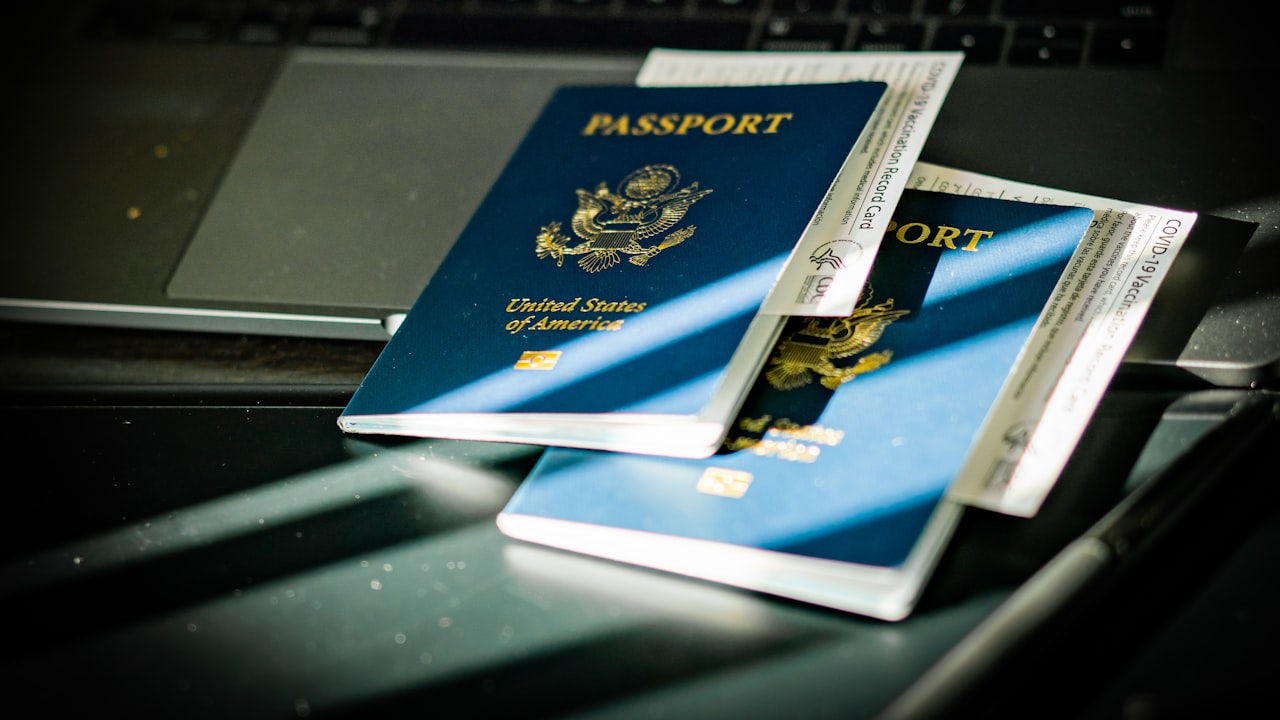
The photo must be clear, unexpired, fully visible, and readable. The issuer’s system (often a third-party KYC vendor) scans it for authenticity.
3. Liveness Selfie You take a selfie in real time. The system matches it to your ID photo using facial-recognition AI. This prevents fraud (someone else applying in your name).
4. Address Verification You confirm your home address. Some issuers ask for a utility bill or bank statement as proof; others skip this step if your ID is recent enough.
Why All This?
AML = Anti-Money Laundering. Governments use KYC data to:
- Prevent terrorist financing
- Stop drug-cartel payments
- Block sanctions evasion
- Combat fraud
Every regulated payment processor (Visa, Stripe, PayPal) does this. ether.fi Cash is no exception.
Signal: If an issuer skips KYC, it’s unregulated—and you should assume it will be shut down.
How Long Does KYC Take?
Usually 10–30 minutes. Most of that is the liveness check (AI processing). Once approved, you get a virtual card instantly; a physical card ships in 15+ business days (or 1–3 days if you’re Pinnacle tier with ether.fi).
What to Watch
- MiCA enforcement tightens: By January 2025, all CASPs must fully implement travel-rule reporting (FATF standard). Some issuers may disable cross-border transfers. Check your issuer’s blog for updates.
- US state bans could expand: Watch for new state legislation. If your state joins the blocked list, your card may stop working for in-state purchases.
- India and other countries may follow: India blocked crypto cards in 2023; the ban may be permanent. LATAM is next to face pressure.
- Card issuer license: Verify your issuer’s license status quarterly on their help center or the FCA/local regulator’s registry.
- FATF travel rule: Expect mandatory identity revelation for transfers over $3,000 USD equivalent. Non-custodial cards are less affected, but monitor.
Bottom Line
- Regulated crypto cards require KYC. There’s no way around it, and that’s intentional—it prevents fraud and terrorist financing.
- Non-custodial cards (like ether.fi Cash) offer self-custody while staying compliant. You hold the crypto; the issuer doesn’t. Regulation still applies to the card, not your wallet.
- Avoid unregulated or “anonymous” cards. They’re almost always shut down within 18 months. Avoid the risk.
- If you’re in an ether.fi-eligible country, the ether.fi Cash card combines regulatory compliance with yield while spending. The KYC friction is a one-time cost for years of stability.
FAQ
-
q: “Is a regulated crypto card the same as a custodial card?” a: No. “Regulated” means the issuer is licensed and audited. “Custodial” means the issuer holds your crypto for you. ether.fi Cash is regulated but non-custodial—you hold the ETH, the issuer just mints a card against it. Crypto.com is regulated AND custodial (they hold your crypto).
-
q: “Do I need to pay taxes on crypto-card cashback?” a: Yes, in most jurisdictions. Cashback is income; your country’s tax authority may require you to report it. Ask an accountant familiar with crypto. ether.fi provides transaction records for tax purposes.
-
q: “What happens if my country bans crypto cards after I sign up?” a: Your card stops working for new transactions, but you can still access your funds. The issuer must allow you to withdraw your balance (usually to a crypto wallet). Regulation changes take time; you’ll have notice.
-
q: “Are regulated crypto cards safer than traditional crypto wallets?” a: Different kinds of safe. A regulated card is safer from fraud (Visa chargeback, issuer insurance). A non-custodial wallet is safer from issuer collapse (you hold the keys). ether.fi is both: your crypto is yours, but the card is insured.
-
q: “Can I hide my identity when applying for a crypto card?” a: No. KYC is mandatory. Any issuer that lets you skip it is unregulated and unsafe. False identity is fraud and will result in account closure + funds freeze.
-
q: “What’s the difference between MiCA and US regulation?” a: MiCA is a unified EU standard for all crypto services; it came into force Jan 2024. The US has no federal standard yet—only state-level rules and SEC/FinCEN guidance. MiCA is clearer and more issuer-friendly. The US is catching up.
Risk & Disclosure
DefyCard publishes affiliate-linked reviews; we may earn a commission when you sign up through our links.
Crypto assets are volatile. Regulation is evolving. A country that allows crypto cards today may ban them tomorrow. Always verify your issuer’s license status before signing up, and monitor regulatory news in your jurisdiction quarterly.
ether.fi Cash is available in 76 countries but prohibited in 19 others (Belarus, Bangladesh, China, Cuba, Estonia, Finland, India, Iraq, Israel, Nepal, Netherlands, North Korea, Philippines, Russia, Syria, Turkey, Ukraine, Venezuela, Vietnam) and 21 US states. Check the full list on the issuer’s help center before applying.
This article is educational and not financial advice. Consult a tax professional and a lawyer familiar with crypto regulation in your country before using a crypto card.