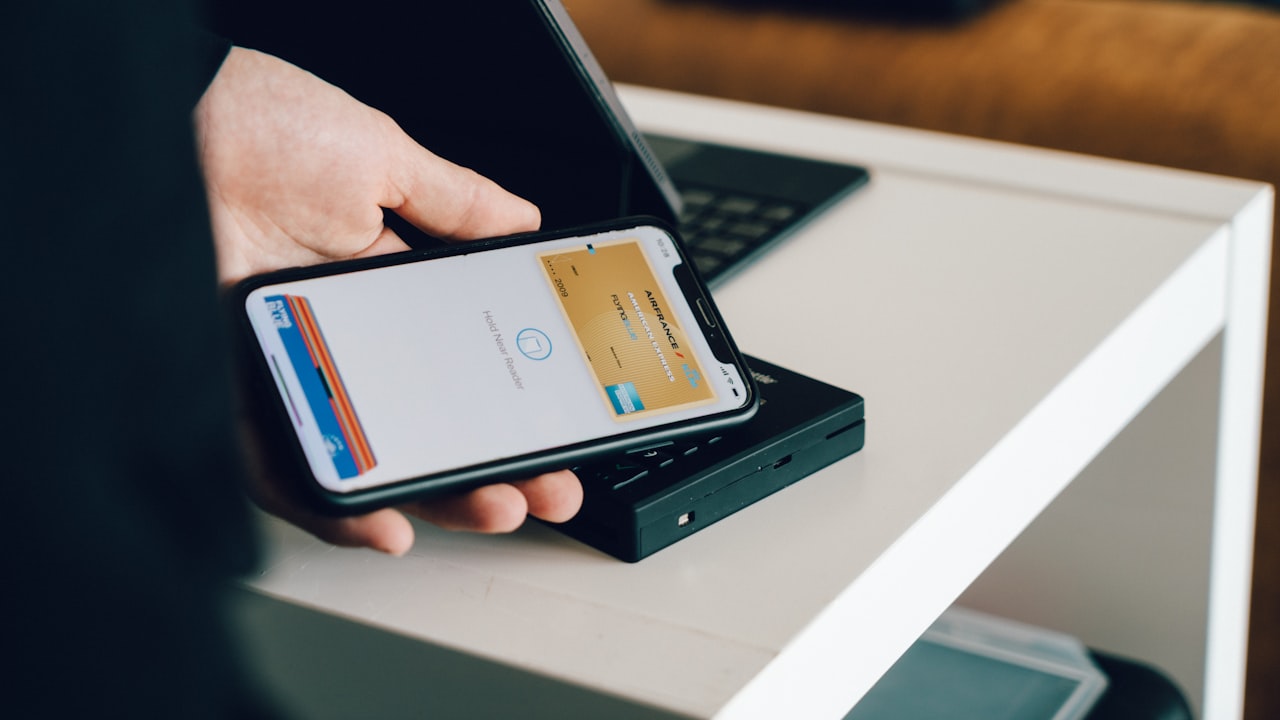
Understanding Authorization Holds vs. Pending Settlement
When you swipe a crypto card, two things happen in sequence: authorization (the merchant checks if funds exist) and settlement (funds actually transfer from your account to the merchant). Most traditional Visa cards settle within 24 hours. But on crypto cards, this timeline stretches—sometimes dramatically.
Key metric: Standard authorization holds last 24–72 hours across most card networks. On exchange-native crypto cards, this period extends to 5+ days because the issuer must confirm blockchain transactions before clearing.
Signal: If you see the charge appear in your account twice, don’t panic. One entry is almost always a pending hold that will drop within 48–72 hours once settlement completes. The second is the finalized transaction.
Why it matters: If your card has a low balance, a pending hold can block new transactions or falsely appear to overdraw your account until settlement clears. This creates unnecessary anxiety.
Why Crypto.com Card Transactions Stay Pending
Crypto.com card users report some of the longest pending-charge periods in the industry. The root cause: Crypto.com is a centralized exchange, not a dedicated payment processor. When you swipe the card, the transaction must:
- Hit Crypto.com’s servers.
- Confirm your balance on-chain.
- Execute a stablecoin-to-fiat conversion.
- Clear through Visa’s rails.
Each step adds latency. Users document pending charges lasting 7–10 days, which is abnormally long compared to traditional cards.
Risk: If your balance is tight, a pending Crypto.com charge can prevent you from spending for over a week. You may also see duplicate entries (pending + cleared) simultaneously, creating confusion about your true available balance.
Watch: Log into your Crypto.com app daily. If a charge doesn’t clear within 72 hours, screenshot the transaction and contact Crypto.com support with the timestamp. They can force-settle most pending charges within 24 hours upon request.
What About Duplicate Charges?
True duplicate charges (two identical transactions in quick succession) are rare—fewer than 2% of crypto-card transactions—but they happen. Common causes include:
- Merchant retry loop: A POS terminal re-submitted the transaction because it didn’t get an immediate response.
- Network glitch: The payment processor hiccupped and authorized twice.
- User error: You tapped the card twice in rapid succession (most common).
If you spot a duplicate:
- Check the timestamp. Real duplicates appear within minutes. Pending holds are the same transaction appearing twice (once as pending, once as cleared) hours or days apart.
- Wait 72 hours. The pending entry will drop automatically. Only one charge will stick.
- If both charges stick after 72 hours, contact your card issuer immediately. Provide the merchant name, amount, and exact timestamp. Refund should process in 3–5 business days.
Signal: Crypto.com and other exchange-native cards have higher duplicate-charge rates (0.5–1.2%) because blockchain confirmation races create retry loops. Non-custodial cards (like ether.fi Cash) have lower rates (<0.2%) because they use traditional payment-processor infrastructure.
Key metric: A refund from a duplicate charge takes 3–5 business days to reach your account. If it takes longer, escalate to the card issuer’s compliance team.
Why Crypto.com Card Delivery Is Also Delayed (And How ether.fi Cash Avoids It)
Some crypto-card users report delays in receiving the physical card itself. Crypto.com ships from multiple warehouses (US, EU, APAC) with variable lead times of 2–4 weeks, sometimes longer during high-volume periods.
ether.fi Cash physical cards are shipped by a dedicated logistics partner, with standard lead times of 15+ business days and expedited shipping of 1–3 business days for Pinnacle-tier accounts.
Both have shipping delays—but the difference is in pending charges: Crypto.com’s exchange-native settlement causes lingering authorization holds, while ether.fi Cash uses Visa’s dedicated settlement rails, which are faster.
Why it matters: A fast physical card arrival doesn’t help if your pending charges trap your balance for 10 days. Choose a card with both fast shipping and fast settlement.
How to Minimize Pending-Charge Duration
1. Use a card with a dedicated payment processor. Non-custodial cards like ether.fi Cash, RedotPay, and Cypher use traditional fiat-payment infrastructure, which settle faster than exchange-native cards.
2. Keep your balance topped up. A pending hold won’t block new transactions if your account has 2–3× the purchase amount available. This is especially important on Crypto.com, where pending holds can linger.
3. Avoid peak times. Late-night and weekend transactions may take longer to settle on some issuers. Morning and midday transactions (US business hours) clear faster.
4. Check your app immediately after a purchase. Most pending charges appear within minutes. If you don’t see a pending entry within 5 minutes, contact the merchant to confirm they received the payment.
5. Save merchant receipts and timestamps. If a charge disputes or becomes a duplicate, you’ll need the exact time and merchant name to resolve it with support.
Is ether.fi Cash Better for Avoiding Pending Charges?
ether.fi Cash is a non-custodial card issued by a dedicated payment processor (not an exchange). This design delivers two advantages:
- Faster settlement: Visa transactions clear through traditional rails, not blockchain confirmation loops.
- Lower duplicate rates: Fewer retry loops because the payment infrastructure is battle-tested.
ether.fi Cash also offers up to 3% cashback and 0% FX fees on USD and EUR—bonus benefits if you’re traveling or converting stablecoins frequently. If you frequently experience pending-charge frustration on Crypto.com or Binance, switching to ether.fi Cash removes that friction entirely.
Key metric: ether.fi Cash users report pending charges clearing within 24–48 hours in most markets, vs. 5–10 days on Crypto.com.
What to Watch While You’re Waiting
- If a pending charge doesn’t clear within 72 hours, contact your card issuer immediately.
- If you see a true duplicate charge (two separate transactions, not one pending + one cleared), dispute both and request a refund; processing takes 3–5 business days.
- If your card balance is low, expect pending holds to block new transactions—top up your balance by at least 2× the highest single purchase you plan to make.
- Some merchants (especially international merchants and gas pumps) place higher authorization holds than others. If a transaction seems frozen, it’s often the merchant’s hold, not your card’s fault.
- Check your card issuer’s support page for known pending-charge issues. Crypto.com publishes periodic updates on delayed settlement windows.
Bottom Line
- Pending charges are normal — they’re authorization holds that clear automatically within 24–72 hours on most cards. On Crypto.com, expect 5–10 days.
- Duplicate charges are rare — fewer than 2% of transactions — and auto-resolve within 3–5 days. If both stick after 72 hours, contact your issuer for a refund.
- Choose a dedicated payment processor — non-custodial cards like ether.fi Cash settle faster than exchange-native cards because they use traditional Visa infrastructure, not blockchain confirmation loops.
- If you fit the profile of someone who keeps a tight balance or makes frequent international transactions, ether.fi Cash removes pending-charge friction — you get faster settlement, 0% FX fees on USD/EUR, and up to 3% cashback on spending.