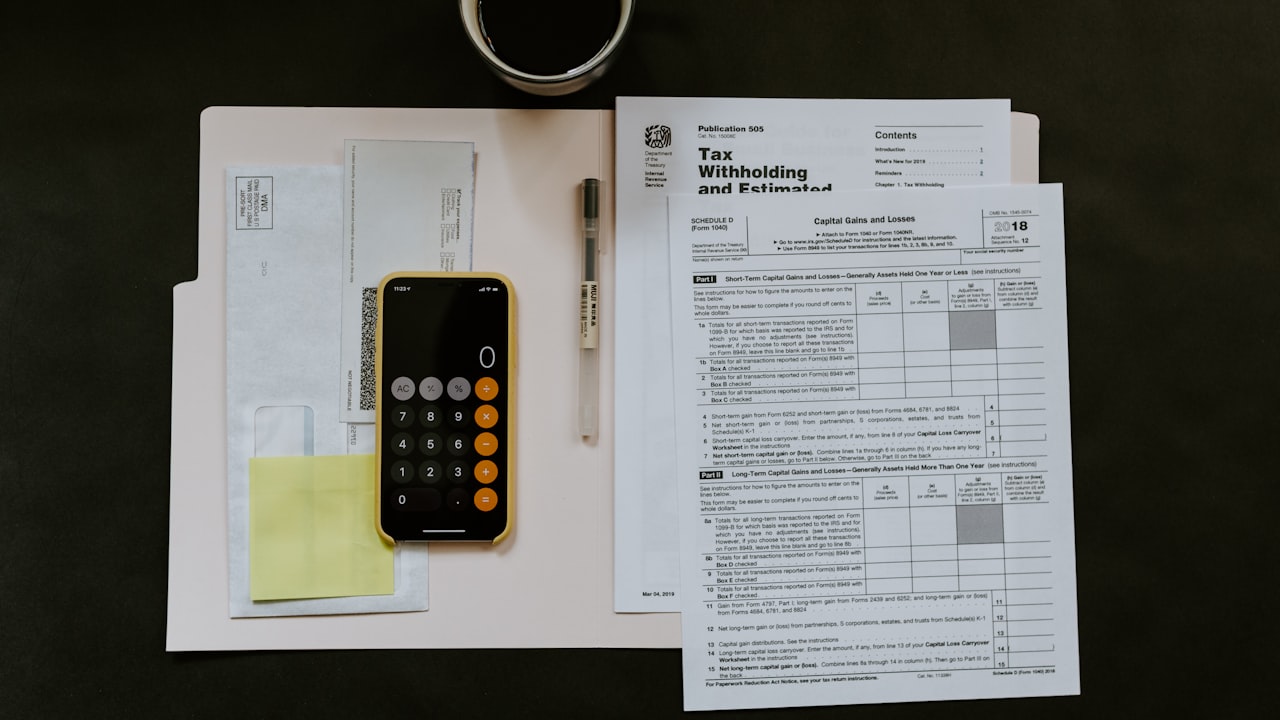
Why UK Tax on Crypto Cards Matters
In the UK, every crypto transaction — including card spending — is a taxable event. HMRC (Her Majesty’s Revenue and Customs) treats crypto as a capital asset, not money. That means:
- Spending crypto on your card counts as a disposal and may trigger capital gains tax.
- Receiving cashback rewards counts as income (or a capital gain reduction, depending on the type).
- Staking rewards are also taxable.
Signal: Self-custody cards like ether.fi Cash are tax-friendly because you see every transaction on the blockchain, making it easier to audit your own records.
Unlike custodial cards (Crypto.com, Coinbase Card), where the issuer holds your crypto, self-custody platforms give you access to the underlying blockchain address. This transparency is crucial for UK tax reporting — you can download your full transaction history directly, reducing the risk of omissions that trigger HMRC penalties.
Key metric: The average UK crypto holder spends £3,200–£4,500 annually via crypto card. If you don’t track each transaction, you’re exposed to a £20,000+ penalty for underreporting.
UK Tax Rules: The Quick Version
UK tax treatment of crypto-card transactions:
- Disposal tax: When you spend £1,000 of crypto, that’s a disposal. If you bought it for £500, you owe capital gains tax on the £500 gain (currently 20% for higher-rate taxpayers, 10% for basic-rate).
- Annual exemption: The first £3,000 of gains per tax year are tax-free (2025/26 rates).
- Holding period: No difference in UK tax between a coin you’ve held 1 day vs. 1 year — all crypto gains are long-term capital gains, taxed the same.
- Cashback rewards: If your card gives 3% cashback in ETH, HMRC treats that as income (or capital gain reduction). You owe tax on the gain when you later spend or sell the ETH.
Risk: Filing taxes in the UK for crypto-card activity requires accurate records. Many exchanges and card issuers export transaction history in inconsistent formats (some omit fees, others report in fiat, not crypto). The ether.fi Cash card side-steps this by giving you direct blockchain visibility — your transaction is recorded immutably on Scroll, fully auditable.
How Crypto Card Tax in Canada Differs
Canada’s tax authority (CRA) has a more lenient rule: you only pay tax on 50% of capital gains (the “inclusion rate”). This is a massive advantage over the UK’s 100% inclusion rate.
Example: Canadian trader spends $1,000 CAD of crypto, bought for $500 CAD.
- Capital gain: $500 CAD.
- Taxable inclusion: 50% × $500 = $250 CAD.
- Tax owing (at 50% marginal rate): 50% × $250 = $125 CAD.
UK equivalent (same gain amount):
- Capital gain: equivalent GBP amount.
- Taxable inclusion: 100% × gain = full gain taxable.
- Tax owing (at 20% rate): 20% × gain = higher bill.
Why it matters: Canada’s 50% inclusion rate makes crypto card spending materially cheaper than the UK from a tax perspective. A Canadian using ether.fi Cash will pay roughly 40–50% less tax than a UK user on the same transaction.
Signal: If you’re a Canadian expat or have dual residence, this rule can significantly change your asset strategy. Crypto card cashback is taxed the same as spending — it’s a capital gain reduction for Canadian purposes.
Australia’s Approach: Timing & Tracking
Australia’s ATO (Australian Taxation Office) treats crypto-card transactions as capital gains, similar to the UK. But there’s one key difference:
- Capital gains discount: If you’ve held the crypto for 12+ months, you get a 50% discount on the capital gain (for individuals). This is not available in the UK.
- No annual exemption: Unlike the UK’s £3,000 threshold, Australia taxes all gains from day one.
Example: Australian trader spends AUD $1,500 of crypto, bought for AUD $1,000 one year ago.
- Capital gain: AUD $500.
- Holding period: >12 months → 50% discount applies.
- Taxable gain: AUD $250.
- Tax owing (at 45% marginal rate): 45% × AUD $250 = AUD $112.50.
Without the 12+ month hold, the same transaction would owe: 45% × AUD $500 = AUD $225 — exactly double.
Why it matters: The 12-month hold incentive is powerful for long-term hodlers. If you buy crypto and hold it > 1 year, then spend via card, you get a tax advantage that UK and Canadian holders don’t.
Key metric: An Australian user holding crypto 12+ months saves ~50% tax vs. a UK user on the same transaction.
How to Track Crypto Card Transactions for Tax
All three jurisdictions (UK, Canada, Australia) require meticulous records. Here’s the self-custody advantage:
- Export your blockchain history: Log into your ether.fi Cash wallet, navigate to your account’s public address, and use a block explorer (Etherscan for Ethereum, Scrollscan for Scroll) to download your full transaction CSV.
- Add cost-basis data: Pair the blockchain export with your purchase records (exchange CSV, purchase receipts) to calculate cost basis.
- Apply your local rules: Plug the gains/losses into your country’s tax software (HMRC Self-Assessment, CRA NETFILE, ATO myTax).
- Claim offsetting losses: If you sold any crypto at a loss during the same tax year, offset it against your gains to reduce tax owing.
Risk: Many crypto-card users forget to include in-kind transactions in their cost basis. Example: you receive 0.5 ETH as cashback, then spend it weeks later. That 0.5 ETH is not a disposal of your original coins — it’s a new asset, with its own cost basis (the fair-market value on the day you received it). Failing to track this leads to phantom gains and audit risk.
Watch: ether.fi Cash and other self-custody platforms do not report to HMRC, CRA, or ATO automatically. You bear the responsibility. Check if your card issuer offers a tax-export feature (ether.fi recently added transaction-history CSV download).
ether.fi Cash: Tax Efficiency in Practice
The ether.fi Cash card offers specific tax advantages:
- Earn up to 3% cashback in ETH or stablecoins — reinvest it in your self-custody wallet and decide when to realize gains.
- 0% FX on USD/EUR — no hidden currency conversion costs eating into your cost basis.
- Self-custody — you control your private keys; no third-party issuer locks your funds or gates your tax exports.
- On-chain settlement — every transaction is visible on the blockchain, immutable and auditable by any tax authority.
Signal: The combination of cashback + self-custody makes ether.fi Cash a strong choice for UK, Canadian, and Australian tax-filers who want to minimize compliance overhead and maximize transparency.
Compare this to custodial cards: Crypto.com Card and Coinbase Card lock your crypto on their platform, require you to trust the issuer’s tax export, and often delay settlement (increasing reconciliation friction).
Ready to get started? Activation takes 5–10 minutes, and you can earn up to 3% cashback immediately.
Risk & Disclosure
This article contains affiliate links to ether.fi Cash. DefyCard may earn a commission if you sign up through our links at https://www.ether.fi/@defycard.
Crypto is volatile and tax rules change. This article provides general information, not professional tax advice. Capital gains tax is complex; tax rules vary by jurisdiction and individual circumstance. Always consult a qualified tax professional or accountant in your country before making transactions or filing returns. Mistakes can result in significant penalties and interest.
ether.fi Cash is available in the UK, Canada, and Australia as of May 2026. Regulatory changes may affect where the card operates. Check the official ether.fi help center for current country availability and product terms.