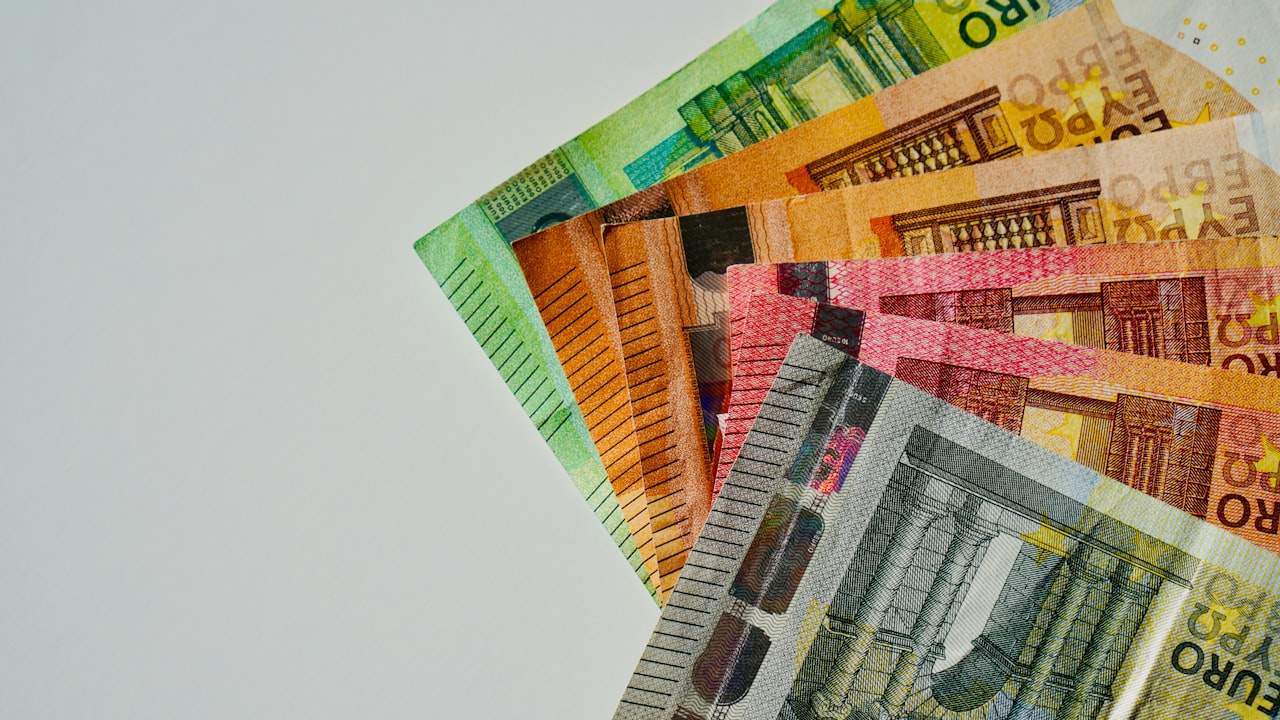
Why MiCA and FCA Matter for Crypto Cards
Regulatory clarity has become a dealbreaker for EU and UK crypto-card seekers. MiCA (Markets in Crypto-Assets Regulation) took effect December 2023, imposing strict requirements on crypto-asset service providers (CASPs) operating in the EU. The UK’s FCA (Financial Conduct Authority) maintains parallel rules with stricter customer-identification and anti-money-laundering (AML) controls. Both regimes ensure that crypto-card issuers maintain adequate capital reserves, segregate customer assets, and prevent fraud.
Signal: If you’re in an EU country, confirm your country is on the ether.fi Cash availability list before signing up. Netherlands, Finland, and Estonia are currently unsupported due to local regulatory constraints. If your country is blocked, consider Crypto.com Card as an alternative (though it uses custodial wallets).
Compliance costs have pushed smaller card providers out of the EU market. The survivors — like ether.fi — have committed to maintaining regulatory standing, which reduces your risk of account freezes or service discontinuation.
ether.fi Cash Under EU Regulations
ether.fi Cash is a self-custody card: your ETH remains on the Scroll blockchain and only converts to fiat at the point of spend. This architecture sidesteps many MiCA requirements that apply to custodial wallets (where the issuer holds your assets). Because you retain private keys, the card issuer avoids the strictest CASP definitions — a regulatory advantage.
Key metric: 0 % FX conversion on EUR and USD means EU traders save 1–2 % on every foreign-currency transaction compared to cards that apply 1.5–2.5 % spreads.
KYC is required: government ID, proof of address, and a liveness check. Approval takes 5–10 minutes for most EU applicants. Once approved, activate the virtual card in minutes; the physical card ships in 15+ business days (3 days for Pinnacle tier).
Risk: If ether.fi encounters regulatory headwinds in your country, the issuer may restrict new cardholders or freeze accounts. Regulatory change remains a tail-risk in crypto.
Which European Countries Can Use ether.fi Cash?
ether.fi Cash works in most EU countries plus the UK and 150+ additional regions globally. However, four EU countries are blocked due to CASP licensing conflicts or payment restrictions:
- Netherlands — Requires additional CASP licensing for payment rails
- Finland — Stricter CASP oversight on stablecoins
- Estonia — Local CASP licensing backlog
If you’re in these countries, options include: (1) use Crypto.com Card (available in NL, FI but not always EE), or (2) apply for physical shipment to another EU country and request address changes later (limited support, not recommended).
Signal: Before applying, check the official ether.fi availability page. If rejected during KYC, contact support — they sometimes override geographic blocks for valid-residency users.
The Cashback Edge for EU Traders
ether.fi Cash’s primary value for EU traders is yield while spending combined with zero FX friction. A typical flow:
- Hold ETH on Scroll (self-custody).
- Spend via ether.fi card (Visa rails).
- At checkout, amount converts from ETH to fiat (EUR, GBP, USD) at spot rate with 0 % markup on major pairs.
- Earn up to 3 % cashback in the same asset (ETH or another on-chain token).
- Cashback arrives in your ether.fi account (settles daily; withdraw anytime).
A €500 grocery spend in a promo window nets €75 in crypto, a meaningful arbitrage against typical credit-card cashback (0.5–1.5 %).
Watch: Promo rates change. Subscribe to ether.fi announcements for upcoming bonus periods.
EU traders often pair ether.fi Cash with stablecoin holdings (USDC, EUR stablecoins) to avoid volatility. If you hold stablecoins on-chain, the card works identically — convert at checkout and receive cashback in any supported asset.
Alternative: Gnosis Pay (on-chain, EU-first) offers 0 % fees but no cashback. Better for privacy; less attractive for frequent spenders.
UK Crypto Cards Post-FCA
The UK’s stance on crypto cards differs from the EU. The FCA has not issued blanket approval for retail crypto-card products, but recognizes that payment cards (using traditional fiat rails) are already regulated. A card settling via Visa is therefore subject to UK payment-institution rules, not new crypto-specific laws.
ether.fi Cash for UK holders:
- Available: Yes, with full KYC (UK identity documents accepted).
- Cashback: Yes, standard 3 % + promos.
- Tax reporting: Cashback is taxable income (Report via Self Assessment if gains exceed £1,000).
- Customer protection: Visa chargeback rights apply; FSCS protection does not (because ether.fi is not FCA-regulated).
- FCA status: ether.fi is unregistered, but the card itself is not a regulated product in FCA terms — it’s a payment card using existing infrastructure.
Risk: Regulatory uncertainty persists. The FCA may impose new rules on crypto-linked products in 2026–2027. Monitor FCA announcements.
For comparison, Crypto.com Card is unavailable to UK residents (ceased service 2021). Bybit Card is also blocked. ether.fi Cash is currently the strongest option for UK users seeking self-custody + cashback — provided you’re comfortable with regulatory ambiguity.
Signal: If you’re in the UK and want a proven card with crypto upside, ether.fi Cash remains the leading self-custody option.
How to Get Started: KYC to First Spend
Once you confirm your country is supported, the flow is:
- Sign up via referral link — Start here
- Complete KYC — Passport/national ID, proof of address, liveness check (5–10 min)
- Approve terms — Review ether.fi agreement and MiCA disclosures
- Activate virtual card — Instant; add to Google Pay/Apple Pay
- Order physical card (optional) — Ships in 15+ days; $40 refundable deposit
- Make first spend — Earn cashback immediately
Most users complete KYC within 1 hour. Slower approvals (24–48 hours) occur when the issuer requests additional AML documentation.