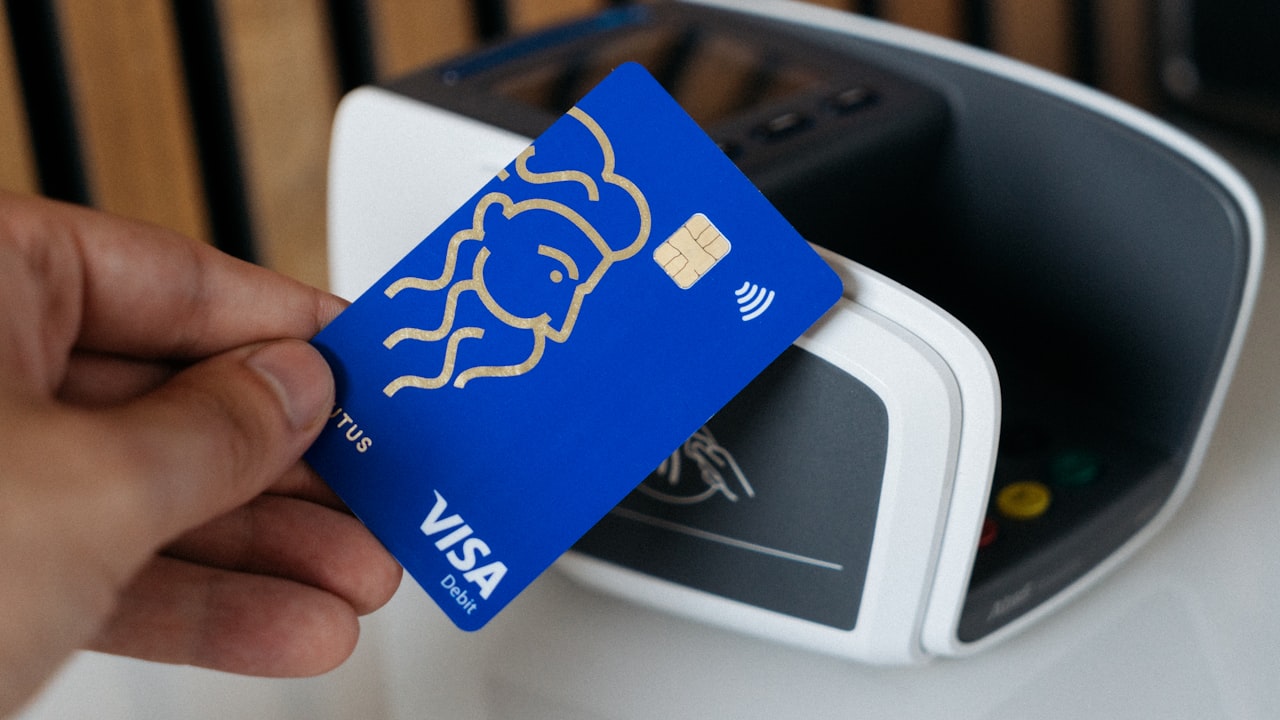
Why Nigeria Needs the Best Crypto Card
Nigeria’s crypto market has exploded over the past three years. With over $8.5 billion in annual crypto transaction volume and a population where traditional banking remains uneven, crypto cards solve a real problem: converting digital assets into spending power without middlemen.
Signal: Nigeria is the second-largest crypto market in Africa (after South Africa), yet most Nigerians still rely on P2P exchanges to convert crypto to Naira—costing 2–5% in fees. A crypto card cuts that friction completely.
The best crypto card for Nigeria isn’t just about lowest fees. It’s about:
- Whether the card issuer accepts Nigerian customers (most don’t).
- Whether physical card shipment is available (matters for in-store payments).
- Whether you keep custody of your assets (banks and most card providers won’t).
- Whether cashback outpaces inflation—Nigeria’s inflation hit 32% year-over-year in late 2025.
ether.fi Cash checks all four boxes, which is why it’s the standout choice for Nigerian crypto holders.
ether.fi Cash: The Best Crypto Card for Nigeria
ether.fi Cash is a self-custody Visa card backed by Staked ETH. Every time you spend, your collateral stays on-chain—you don’t hand over your private keys to a custodian. The virtual card activates immediately after KYC; the physical card ships to Nigeria (pending verification).
Why it matters: Most crypto cards (Crypto.com, Nexo) custody your assets on their platform. ether.fi doesn’t. That’s a fundamental difference in risk profile and aligns with crypto’s original ethos of self-sovereignty.
Cashback & Rewards for Nigeria Users
Here are the numbers that matter:
- Standard cashback: up to 3 % on all purchases, paid in the asset stated on ether.fi’s affiliates page (verified 2026-09-14).
- Dining bonus:—massive for cost-of-living relief in Nigeria.
- Referral bonus: $10–$20 per referred friend who activates the card.
Fees & Costs
- FX on USD/EUR: 0 % (critical for Nigeria, where USD is the hedge currency).
- FX on other currencies: 1 %.
- ATM fee: 2 % (in-network ATMs recommended).
- Monthly fee: None; annual fee waived if you spend $1,000+.
- Card replacement: Free for first replacement, then $10.
Key metric: A Nigerian user spending $1,000/month in USD stablecoin gets $30/month cashback plus 0 % FX. Over a year, that’s $360 saved—equivalent to a month’s worth of groceries for many Nigerian families.
Risk: If you don’t hit $1,000/month spending, the card has no annual fee but also no special perks. The base 3 % cashback still beats Crypto.com’s flat 2 % (and Crypto.com charges 3.5 % FX).
Getting Started: KYC & Setup
ether.fi’s KYC process takes 10–20 minutes and requires:
- Government ID (passport, national ID, or driver’s license).
- Liveness selfie (proves you’re the ID holder).
- Phone number verification.
Nigerian IDs are fully supported. Virtual card activation happens immediately after approval; physical card typically arrives in 15+ business days (expedited: 1–3 days for Pinnacle tier).
Watch: Ensure your ID is current and fully legible. Photos taken at an angle or with poor lighting often fail on the first attempt—resubmit takes another 24 hours.
The Best Crypto Card for Nigeria vs Global Competitors
ether.fi Cash vs Crypto.com
When comparing the best crypto card for Nigeria to Crypto.com, the gaps become clear:
- ether.fi cashback: up to 3 % | Crypto.com: up to 2 %
- ether.fi FX (USD): 0 % | Crypto.com: 3.5 %
- ether.fi custody: self (you control keys) | Crypto.com: centralized (CRO locked)
- ether.fi Nigeria availability: virtual + physical | Crypto.com: virtual only
- ether.fi annual fee: None (if $1k spend) | Crypto.com: $50–$400 (tier-dependent)
Over $1,000/month in USD spending, ether.fi saves a Nigerian user ~$65–$75/month vs Crypto.com (cashback + FX difference).
Alternative: If you’re comparing the best crypto card in Hong Kong or the best crypto card in Japan, both benefit from ether.fi’s identical fee structure—but regional regulatory nuances differ. Hong Kong users prioritize stablecoin rails; Japan users navigate KYC complexity; Nigeria users need forex efficiency + inflation hedge. ether.fi serves all three equally.
Why Gnosis Pay No Longer Leads in Nigeria
Gnosis Pay was a strong choice for EU users but shut down direct referrals in 2025. Nigerians can no longer easily access it. Regional alternatives like Picnic (Brazil) and Zeal (EU) still operate, but neither serves West Africa.
Signal: When choosing a crypto card for Nigeria, ensure the issuer explicitly supports those regions. Many platforms don’t.
Comparing Global Markets: Nigeria, Hong Kong, and Japan
Crypto-card adoption is accelerating in three key regions. The best crypto card in Hong Kong emphasizes stablecoin integration and high liquidity. The best crypto card in Japan navigates regulatory friction and yen-denominated pairs. But the best crypto card for Nigeria must solve a different problem: forex scarcity and inflation protection.
Why it matters: Each region has different constraints. A best crypto card in Hong Kong (high liquidity, tight FX spreads) is fundamentally different from the best crypto card for Nigeria (limited forex access, high inflation) or best crypto card in Japan (regulatory complexity). ether.fi’s self-custody model serves all three equally, but the value proposition shifts.
In Nigeria specifically, the 0 % FX fee on USD/EUR + 3 % cashback combo becomes a financial hedge against currency devaluation—something Hong Kong users don’t need and Japanese users can’t fully leverage due to KYC rules.
How to Earn & Spend on ether.fi in Nigeria
Where You Can Spend
ether.fi Cash works anywhere Visa is accepted—grocery stores, gas stations, online retailers, ATMs. In Nigeria, that covers most major cities and an expanding merchant base.
How Cashback Flows
- Cashback is paid in the asset stated on ether.fi’s affiliates page (verified 2026-09-14).
- Payouts happen daily as you spend—no waiting for monthly batches.
- You can immediately swap that asset → Naira via P2P or DEX.
Tax & Regulatory Consideration
Risk: Nigeria’s tax authority (FIRS) has not issued final guidance on crypto-card cashback. Conservative interpretation: treat it as income and declare it. Check with a local tax advisor before scaling your spending.
What to Watch in 2026
- CBN/FIRS regulatory clarity (H2 2026): Nigeria’s central bank and tax authority are expected to publish final rules on crypto-card taxation—watch for announcements that could affect cashback treatment.
- ether.fi physical card shipping to Nigeria: Current shipping coverage expands regularly. Check official support channels for Nigeria’s status—virtual card is guaranteed; physical may differ.
- USD/Naira volatility: If Naira weakens past 850/USD, the value of 0 % FX cards becomes even more acute.
- Competitor entry into West Africa: Crypto.com and Binance have signaled interest in African expansion. Watch for new card launches targeting Nigeria.
- Merchant acceptance growth: More POS terminals = wider card utility, especially outside Lagos.
Bottom Line
- For self-custody maximalists: ether.fi Cash is the only major Visa card that doesn’t custody your assets. If sovereignty matters to you, this is the best crypto card for Nigeria.
- For cost-conscious spenders: 3 % cashback + 0 % USD FX saves you ~$60/month vs Crypto.com—if you spend $1,000/month in stablecoins.
- For first-time crypto card users: {{AFFILIATE_BUTTON}} Start with the virtual card (instant), test it for 2 weeks, then order physical if you want in-store convenience.
- If you fit the profile (Nigeria-based, $500+/month crypto spending, self-custody priority): the best crypto card for Nigeria is ether.fi Cash—it pays you back more than any alternative.
FAQ
Q: Is ether.fi Cash available for Nigerian users?
A: Yes. Virtual card is immediately available after KYC (5–20 minutes). Physical card shipment availability should be confirmed with ether.fi at signup, as coverage expands regularly. Most Nigerians start with virtual and upgrade to physical once confirmed.
Q: Why is ether.fi the best crypto card for Nigeria?
A: Three reasons: (1) self-custody—you control private keys; (2) 0% FX on USD/EUR—critical in a forex-scarce market; (3) 3% cashback outpaces Nigeria’s 32% inflation. Competitors like Crypto.com charge 3.5% FX and custody your assets, costing ~$360–$480/year more.
Q: How does Nigeria compare to Hong Kong or Japan for crypto cards?
A: All three regions benefit from ether.fi’s self-custody model, but needs differ. The best crypto card in Hong Kong prioritizes stablecoin liquidity. The best crypto card in Japan navigates KYC complexity. Nigeria users need forex efficiency + inflation protection. ether.fi serves all with identical terms, but value differs by region.
Q: Do I pay tax on ether.fi cashback in Nigeria?
A: FIRS has not issued definitive guidance (as of May 2026). Conservative approach: declare cashback as income. Monitor FIRS and CBN announcements; consult a tax advisor.
Q: What if ETH collateral loses value?
A: ether.fi monitors collateral constantly. In normal markets, you’re protected. In extreme crashes (ETH dropping 50%+), liquidation risk exists. Manage position size and monitor account health via the ether.fi app.
Q: Can I withdraw to a Nigerian bank account?
A: Direct bank withdrawal isn’t available. Use P2P exchanges (Localbitcoins, Paxful) or DEXs to convert crypto to Naira. Plan for 1–3% slippage on exit.
Risk & Disclosure
FTC Reminder: DefyCard publishes affiliate-linked reviews; we may earn a commission when you sign up through our links. This does not affect our editorial independence.
Crypto Volatility: The ether.fi Cash card is backed by Staked ETH. If ETH price drops sharply, your collateral may fall below liquidation thresholds (rare, but possible in black-swan markets). Manage position size accordingly.
Nigeria-Specific Notes: ether.fi operates legally in Nigeria, but regulatory stance toward crypto remains evolving. Monitor CBN and FIRS announcements for changes. Forex volatility (USD/Naira) creates opportunity but also risk—use the 0 % FX fee strategically.
Last verified: 2026-09-14. Terms, fees, and availability may change. Visit ether.fi for the latest.