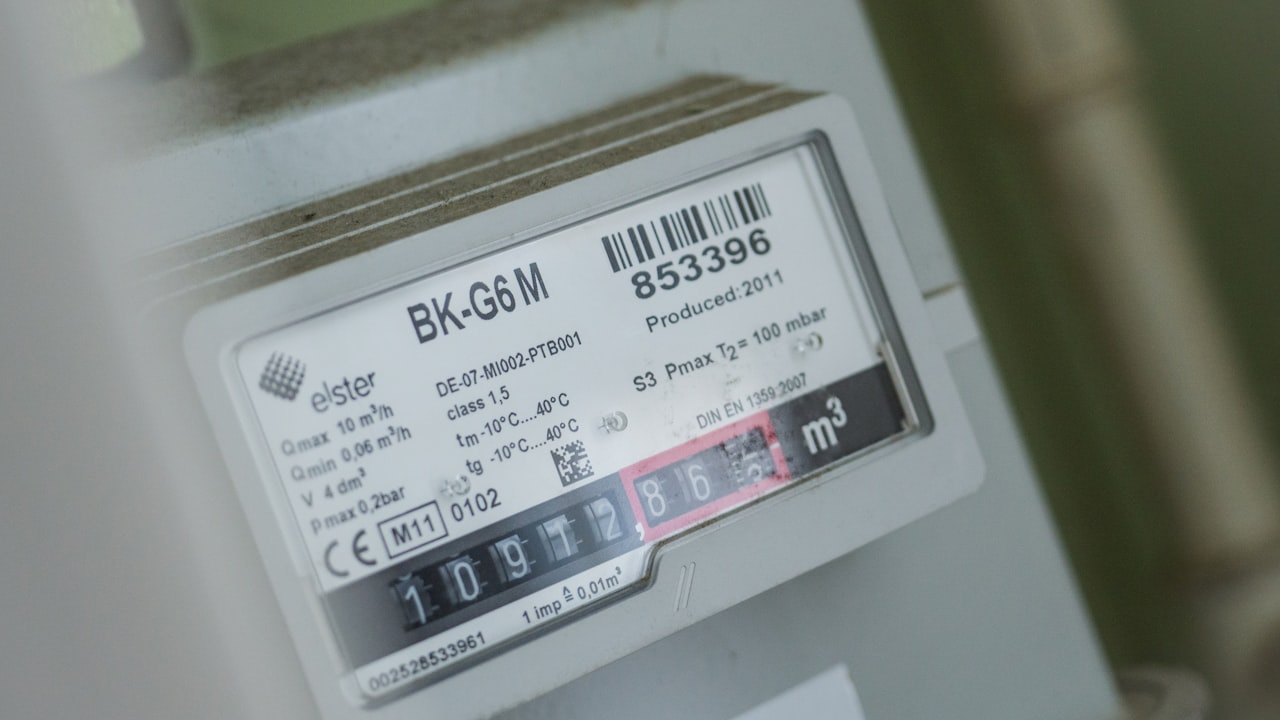
Why utility bills are the best use-case for crypto cards
Utility payments are predictable, recurring, and essential—exactly the kind of spending where cashback compounds into real savings. A crypto card for utility bills turns fixed costs into small wealth-building moments.
Signal: If you pay $150/month in utilities, a 3% crypto card saves you $54/year. That’s real money, and it doesn’t require behavior change—you’re paying the bill anyway.
Why it matters: Traditional credit cards trap you in revolving debt and interest charges. A non-custodial crypto card like ether.fi Cash delinks rewards from lending. Your crypto stays staked, earning yield, while you earn cashback on the spending itself. The math: stake ETH for ~2.5% APY + earn 3% cashback on utility bills = 5.5% total return on your working capital.
Utility companies increasingly accept cards. Most support Visa (the ether.fi Cash runs on Visa rails), making it as easy to pay your electric bill as swiping at a pump. And unlike a crypto card for flights or crypto card for hotels (higher variance, less frequent), utility spending is predictable month to month.
How a crypto card stacks up against other recurring expenses
You’d compare a crypto card for utility bills to other repeating costs you’d put on plastic:
- Flights: Higher spend per transaction ($300–$800), but infrequent (3–5x/year). Crypto card wins on the percentage, but the utility play wins on consistency.
- Hotels: Weekend stays or business trips. Again, larger transactions, but sporadic.
- Internet/phone: Locked into utility-like predictability, but typically via auto-pay through banking apps. Crypto card for utilities fills that gap by unifying essential spending in one rewards-earning vehicle.
Key metric: Utility bills represent ~8–12% of average monthly household spend (US Bureau of Labor Statistics). On that volume alone, 3% cashback adds $288–$432/year to your net worth.
Watch: Some utility providers still block card payments, or charge a convenience fee (~3%). Call ahead—many municipal providers accept cards with no surcharge. Check your bill online; most utilities post payment methods up front.
Maximizing cashback on your utility spending
A crypto card for utility bills earns you rewards at every payment:
- Electricity: $80–$150/month average US household. 3% on $100 = $3/month = $36/year.
- Natural gas (winter): $40–$80/month. 3% on $60 = $1.80/month = $21.60/year.
- Water + sewer: $30–$50/month. 3% on $40 = $1.20/month = $14.40/year.
- Internet + phone: $80–$150/month. 3% on $115 = $3.45/month = $41.40/year.
- Total recurring: ~$113/year in pure cashback, and that’s without any other spending.
Why it matters: That $113 is withdrawal-able, buyable, or stakeable. It’s not a “points” currency locked into an airline or hotel ecosystem. It’s real value.
Risk: Not all utility providers accept credit cards. Some waive the fee for card payments; others charge 2–3% processing. Before you switch, verify your provider accepts Visa and confirm the cost. A few municipal utilities (water departments especially) still run on phone-only payment systems—those won’t work.
Alternative: If your utility refuses cards, consider comparing crypto card alternatives or explore a crypto card for flights or crypto card for hotels as a backup strategy. But for pure bills, Visa acceptance is now standard across US electric, gas, and internet providers.
Integration into a diversified spend strategy
Many users run a multi-card strategy:
- Crypto card (ether.fi Cash) for utility bills, groceries, and everyday spending ≤$2,000/month (Core tier).
- Traditional credit card for travel and high-spend purchases (where airline miles or hotel points matter).
- Crypto card for flights and hotels when traveling, to stack cashback and hold crypto exposure.
Signal: The ether.fi Cash 3% flat rate beats category-specific cards on utility bills (most 2% cards are rotating categories—utilities are often excluded). And because it’s non-custodial, you own your keys and your staked ETH keeps earning.
Key metric: A Luxe-tier account ($10k/month) can comfortably cover utilities + groceries + gas. You’re not hitting the spend cap, so you keep the card active and the account healthy.
Setting up utility bill payments
- Activate your physical card (or use the virtual card immediately).
- Visit your utility company’s payment portal and register the card as a new payment method.
- Authorize one-time or recurring payments.
- Watch for the cashback deposit into your ether.fi account (tied to each transaction; the payout schedule is stated on ether.fi’s affiliates page, verified 2026-09-14).
Watch: Some utilities batch payments (monthly), others settle within 48 hours. The faster the settlement, the sooner cashback posts—but it’s always tied to the spend date, not the posting date.
Why it matters: You stay in control. Cancel or skip a payment? No auto-renew trap. Cashback is yours to keep, regardless of account status changes.
Real-world scenario
A household paying $300/month in utilities (electric, gas, water, internet combined) earns:
- Monthly cashback: $9
- Annual cashback: $108
- 5-year accumulated: $540
- Staking return on that cashback (re-staked at ~2.5% APY): ~$30 over 5 years
That’s $570 in pure return on predictable spending you’d make anyway—no added effort, no behavior change, no missed payments.
What to watch
- Utility provider acceptance: Verify your provider takes Visa cards before switching. Most do, but municipal water systems sometimes lag.
- Processing fees: Confirm whether your utility charges a convenience fee for card payments. If >2%, it may offset the 3% cashback—call first.
- Spending tier limits: If you’re already on Luxe or Pinnacle for other spending, utilities fit easily. If you’re on Core ($2k/month), confirm you have room for utilities + other expenses.
- Currency & FX: If you pay utilities in USD or EUR, you get 0% FX. Other currencies incur 1% FX—irrelevant for most US/UK/EU bills.
- Card activation timeline: The physical card takes 15+ business days to arrive (or 1–3 days for Pinnacle expedited). Virtual card works immediately; start earning cashback right away via mobile or web.
Bottom line
- Utility bills are ideal for crypto cards: recurring, predictable, Visa-accepted, and they scale. $100–$300/month in bills = $36–$108/year in pure cashback.
- The ether.fi Cash offer: up to 3% cashback, no FX fees on USD/EUR, free tier-1 card, non-custodial (you hold the keys). If you fit the Core or Luxe tier, you’re covered.
- If you fit this profile—steady utilities + crypto holdings—this card pays you back. Activate it for bills, keep your crypto staked, and let the cashback compound.
- Ready to start? Sign up for ether.fi Cash via DefyCard and activate your card within 24 hours to start earning on your next utility payment.
FAQ
Q: Do all utility companies accept crypto cards? A: Most major electric, gas, water, and internet providers accept Visa. Some municipal water departments still run on phone-only systems. Check your bill’s payment page or call customer service—it takes 2 minutes.
Q: What if my utility charges a 3% convenience fee? A: Your cashback (3%) and the fee (~3%) roughly offset. It’s break-even. That’s a good cue to pick a different payment method for that provider—use bank transfer instead.
Q: Can I automate utility bill payments with a crypto card? A: Yes. Most utility portals allow recurring card payments. You can set it and forget it. The card will be charged monthly, and cashback will post automatically to your ether.fi account each month.
Q: Is 3% cashback the best rate for utilities? A: Most crypto cards offer 1–3% flat. ether.fi is at the top. Some traditional cards offer 2% flat, but they don’t let you hold crypto—you have to cash out. Non-custodial cards are the outlier in the market.
Q: What happens if I miss a utility payment? A: Nothing different from any card. Late fees apply (utility-side). The crypto card doesn’t change payment liability or consequences—it’s just a payment rail.
Q: Can I use a crypto card for utility bills if I live outside the US? A: ether.fi Cash ships to 76 countries/regions. Check the help center for your jurisdiction. If unavailable, explore alternatives like Crypto.com or Bybit for your region.
Risk & disclosure
Affiliate disclosure (repeat): DefyCard earns a commission when you sign up via our links. This does not change your cost or terms—ether.fi sets both independently.
Crypto-asset volatility: Cashback is paid in USDC or your choice of stablecoin/crypto at time of accrual. The value of your crypto holdings (ETH, etc.) fluctuates independently of card usage. Utility savings are real; the value of your staked crypto is not guaranteed.
Country & regulatory restrictions: ether.fi Cash is not available in 20 countries (including Russia, China, India, Venezuela) and 21 US states. Verify at help.ether.fi/help before signing up. If your region is restricted, compare available alternatives for your location.
Card acceptance & processing: Not all billers accept cards. Some municipal utilities, property taxes, and government services still run on bank-transfer-only or check-only systems. Plan accordingly.