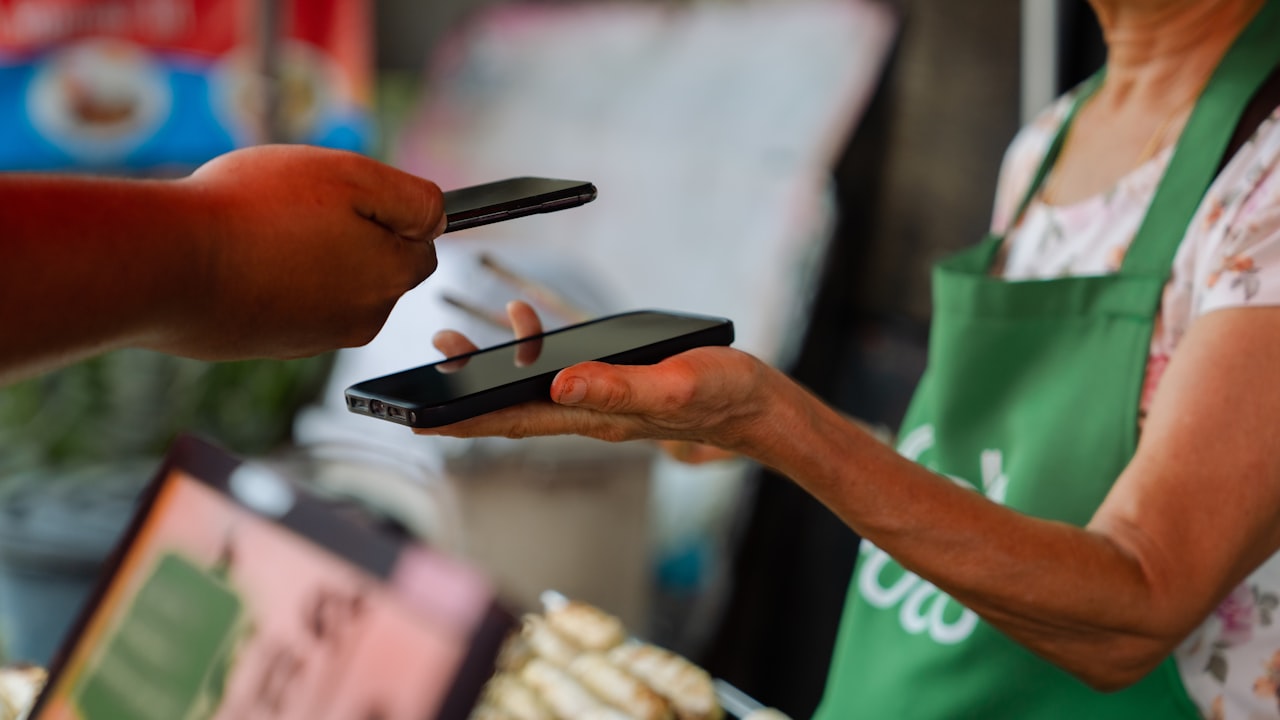
Why Thailand Needs a Dedicated Crypto Card
Thailand welcomes crypto tourists and remote workers, but traditional payment methods are expensive. Most US-issued credit cards charge 3–4% in foreign exchange fees; local Thai banks impose ATM withdrawal surcharges of 150–200 baht (~$4–6 USD) per transaction. If you’re staying for months, these fees compound fast.
Signal: If you plan to spend $2,000+ over a 3-month stay, a zero-FX crypto card saves you $60–$240 compared to legacy banking.
A crypto card for thailand travel changes the equation: keep your assets in stablecoins or ETH, spend globally without FX markup, and avoid the “forced liquidation” trap where exchanges freeze your funds mid-trip. ether.fi Cash is rare in preserving genuine self-custody while you spend.
How ether.fi Cash Performs for Thailand Travel
Why it matters: ether.fi’s zero FX on USD and EUR is critical for Asia travel, since most crypto pairs are USD-denominated and you’ll often convert to local fiat mid-journey.
ether.fi Cash delivers several travel-specific wins:
- Instant virtual card — approved in minutes; start spending before your physical card ships
- Up to 3% cashback — accumulates as you spend, rewards loyalty for heavy users
- No monthly subscription — unlike some cards, no flat fee to hold the card active
- Self-custodial backing — your ETH never leaves your wallet; no counterparty risk if ether.fi ever shuts down
Risk: ETH is volatile. If you convert USD to ETH to spend, you’re exposed to 5–20% daily price swings. Hedge by keeping 60% of spending power in USDC (zero volatility) and 40% in ETH for yield.
For a 3-month Thailand trip, you might load $6,000 across your card. At 3% cashback, that’s $180 in rewards—easily offsetting any card fees or small FX costs on non-USD pairs. Learn more about ether.fi’s cashback structure.
Crypto Cards for Inflation-Hit Economies: Argentina & Turkey Context
Thailand is stable, but if your travel includes stops in high-inflation zones, card choice matters even more.
Key metric: Argentina’s peso weakened 45% against USD in 2024–2025; a crypto card for argentina inflation became essential for local purchasing power. Travelers holding USDC-backed cards preserved wealth while local savings eroded.
ether.fi Cash works well for a crypto card for argentina inflation scenarios—you hold stablecoins, spend without FX loss, and avoid the black market.
Turkey is different. Turkish lira depreciation is severe (down 60% since 2020), and a crypto card for turkey lira should be ideal—except ether.fi Cash is currently unavailable in Turkey due to regional regulatory restrictions. For Turkey travel, redirect to Crypto.com or Bybit, both of which operate there.
Alternative: If your trip spans Turkey + Thailand, use Crypto.com for Turkey (higher FX fees but available), then switch to ether.fi for Thailand and Southeast Asia. New account activation takes 5 minutes once you’re on the ground.
Watch: Turkey’s central bank may ease stablecoin rails by late 2026. If ether.fi becomes available in Turkey again, reconsider consolidating to a single card for simpler accounting.
Monthly Spending Limits & Physical Card Logistics
ether.fi Cash caps monthly spend by tier:
- Core: $2,000/month
- Luxe: $10,000/month
- Pinnacle: $50,000/month
For a 3-month stay in Thailand, you’d use $500–$700 per month on average—well within Core. Upgrade to Luxe only if you’re funding a visa-run trip with higher budgets.
Signal: Request the physical card before you leave for Thailand. Standard shipping is 15+ business days; if you arrive before it does, use the virtual card (fully functional for online + contactless payments). Pinnacle members get expedited 1–3 day shipping but cost more upfront.
If your card doesn’t arrive, no stress—the virtual card works everywhere Visa is accepted. Thailand has excellent internet; online shopping works seamlessly. Contactless payments at 7-Eleven, restaurants, and malls are instant.
Comparing Crypto Cards for Asia Travel
How does ether.fi stack against competitors for a Thailand trip?
ether.fi Cash: 3% cashback, 0% FX on USD/EUR, self-custody, $40 refundable deposit.
Crypto.com: Up to 3% cashback, but 1.5% FX on non-USD pairs; custodial (Crypto.com holds your funds).
Bybit: Tiered cashback up to 5%, but withdrawal fees and KYC friction; also custodial.
Why it matters: ether.fi is the only major card that delivers genuine self-custody (you keep keys) AND zero FX on major pairs. Crypto.com is fine for occasional users but charges 1.5% FX. Bybit is good for high-volume traders but less suitable for pure spending.
For a Thailand travel budget, ether.fi edges ahead because it combines yield preservation (ETH stays staked elsewhere) with spending convenience.
What to Watch
- Thailand stablecoin settlement: The Bank of Thailand is exploring a local CBDC rail for payments; if launched by 2027, it may reduce friction for cross-border card spending.
- Ether.fi Scroll expansion: Planned Q2–Q3 2026 integration on Scroll Network could lower transaction costs further; monitor for fee schedule updates.
- Shipping delays to Asia: Global logistics remain unpredictable; if you need a physical card by arrival, order 6+ weeks ahead; use virtual card as backup.
- Turkey regulatory thaw: The central bank may ease stablecoin rules by Q4 2026; if ether.fi returns to Turkey, consolidate your cards.
- ATM daily limit: ether.fi caps daily cash withdrawals at $1,000 USD equivalent; plan multi-day cash needs around this.
Bottom Line
-
If you’re a digital nomad staying 3+ months in Thailand: ether.fi Cash’s zero FX on USD/EUR + 3% cashback is your best bet, especially if you’re already holding ETH elsewhere. Sign up now.
-
If you’re routing through multiple high-inflation zones: Use ether.fi for Thailand and Southeast Asia (self-custody, low FX). For Turkey, use Crypto.com or Bybit (ether.fi unavailable). Merge accounts once Turkey’s regulatory picture clears.
-
If you prioritize self-custody and yield preservation: ether.fi is rare—it lets you spend without liquidating your staking position. Claim your card here.
-
Bottom line: A crypto card for thailand travel is a practical hedge against inflation and FX friction. Start with virtual-card activation (minutes), load USDC or USDT for stability, then upgrade to physical if you settle for 6+ months.
Frequently Asked Questions
How much can I spend monthly in Thailand with ether.fi Cash?
Core tier allows $2,000/month; Luxe is $10,000; Pinnacle is $50,000. Monthly limits reset on your activation anniversary. Cashback rewards (up to 3%) accrue separately and roll over. For longer trips, upgrade mid-journey if needed.
Does ether.fi work in Thailand without a VPN?
Yes. ether.fi Cash is available in 150+ countries including Thailand. No VPN required for card activation or spending. The card works on the Visa network globally. Contact ether.fi support if you encounter regional blocks (rare).
What if my physical card doesn’t arrive before I leave for Thailand?
Activate the virtual card immediately—fully functional for contactless and online payments. Use virtual during your trip; request physical for future use. If you need physical by a specific date, choose Pinnacle tier (1–3 day shipping) or order 6+ weeks ahead for Core/Luxe international delivery.
Is crypto legal for tourists spending in Thailand?
Yes. Thailand’s central bank and Securities and Exchange Commission have clarified that stablecoin-backed card spending is legal and regulated as a payment method (not a securities offering). Spend freely; comply with your home country’s tax reporting on capital gains.
Can I withdraw Thai baht from ATM with ether.fi?
Yes, with a 2% ATM fee. Use Krung Thai Bank, Bangkok Bank, or Kasikornbank ATMs for best compatibility. Limit cash withdrawals; card spending is cheaper overall due to lower FX fees (1% on baht vs 2% ATM). For street vendors who only take cash, withdraw in advance.
Why not just use Crypto.com or Bybit for Thailand?
Both are solid, but ether.fi offers genuine self-custody—you never hand over your ETH to an exchange. Crypto.com and Bybit hold your funds in their accounts (custodial). For long-term travelers wary of exchange collapse or account freezes, self-custody is peace of mind. Choose based on your trust model.
Disclaimer & Risk
DefyCard publishes affiliate-linked reviews; we may earn a commission when you sign up through our links.
Crypto assets are volatile. If you hold ETH on your ether.fi card, its value in fiat terms fluctuates daily. A 20% drop in ETH price means your spending power (in USD/EUR) drops 20%. Stablecoins (USDC, USDT) are more stable but expose you to issuer risk. Plan conservatively and maintain a fiat cushion if stability is critical.
Not all countries support ether.fi Cash. Turkey, Russia, Ukraine, Venezuela, and others are currently unavailable. Verify your home country and travel destination are listed at https://help.ether.fi/en/articles/262373 before signing up. Alternative cards (Crypto.com, Bybit, RedotPay) may serve unsupported regions.
This article was last verified 2026-05-26. ether.fi’s fees, limits, and availability may change. Always check the official help center for the latest details.