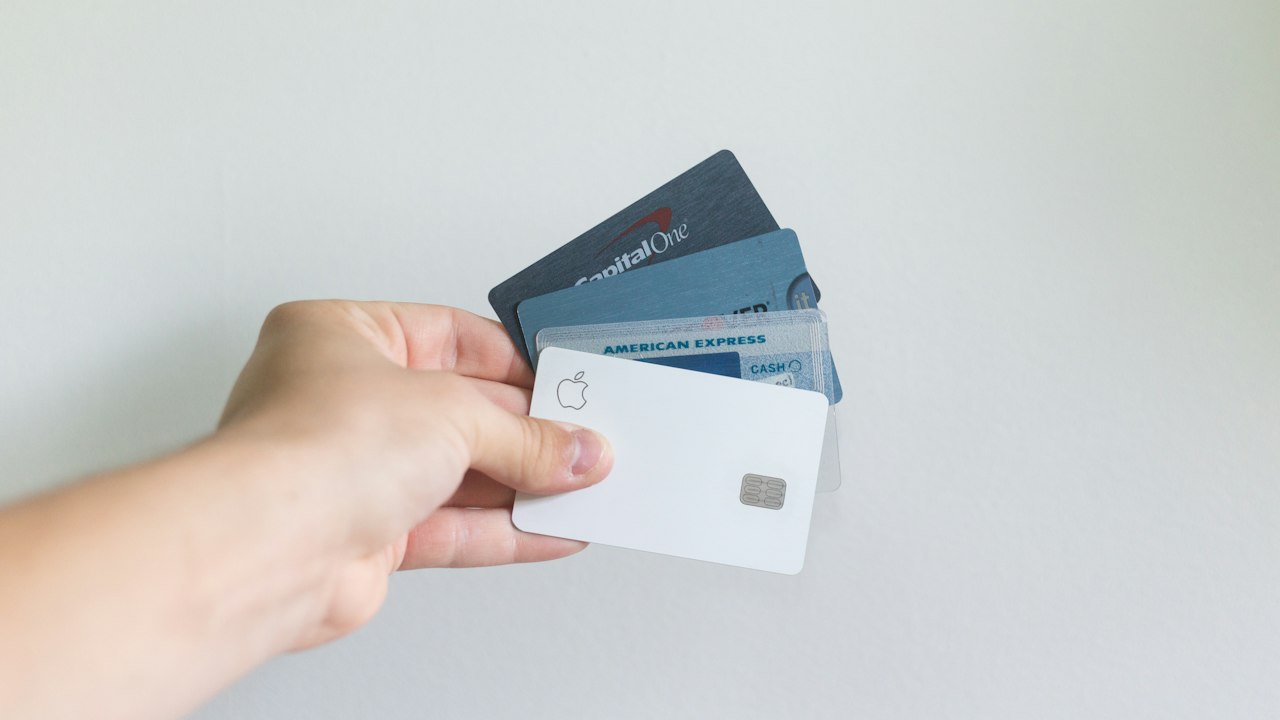
What happens if my card provider shuts down?
A shutdown reaches the card in stages. The app can close while the issuer keeps processing payments, or the issuer can end the program while the app stays online. The balance follows whichever party holds it. Read the terms in this order: custody, issuer, notice. Each one changes the outcome, and most readers stop at the headline rate.
Signal: a terms page that names the issuer, the custody model and a notice window gives you enough to act. A page that names none of them gives you a marketing summary.
Custody decides where your balance sits
Custody is the first question. In a self-custody setup, the funds sit in a wallet the holder controls, and the terms should confirm that design in writing. A custodial setup keeps the balance in the provider’s accounts. Recovery then depends on the provider’s exit process and the terms that govern it.
The difference matters more than the logo on the card. Two cards with similar branding can sit on opposite sides of this line, so the logo tells you nothing about recovery.
Risk: a custodial balance is only as reachable as the provider’s exit process. The terms may set a deadline, a claim form or a minimum amount, and a claim that misses the form can cost time even when the money is owed. Save the terms as a dated file before you deposit, because a changed page is hard to compare later.
Issuer and network decide whether the card still works
The issuer is the company that runs the card program and holds the regulatory relationship. The network is the payment rail the card uses to clear purchases. A shutdown at the app can leave the issuer running, and a shutdown at the issuer can leave the app online with no card behind it. For background on the wider case, see the general case for crypto cards.
Gemini gives a concrete example. Gemini states that WebBank issues the Gemini Credit Card. A reader comparing that card with one issued by the app’s own company should ask which party would keep processing payments if the app closed. That answer sits in the issuer line, not in the app’s marketing. Stablecoin-funded cards raise a separate question, covered in stablecoin card safety.
Watch: a new issuer name on a help article, or a partner name that appears in the terms without a public announcement, is a reason to re-read the custody section that same week.
A crypto card comparison that lists fees and rewards but skips the issuer line leaves out the question that decides recovery. Copy the issuer and custody lines into your own notes, even when the comparison page omits them.
How a crypto card comparison should show exit terms
A useful crypto card comparison places four exit facts beside each card: custody model, issuer name, notice window and the claim route for cashback. Readers who search what happens if my card provider shuts down need those facts more than the cashback rate, because the rate only matters while the card works. The same test applies to using ether.fi Cash without selling ETH.
Why it matters: the cashback claim route is a separate process from the card itself. ether.fi Cash sets a minimum cashback claim of $5, verified 2026-09-14 against its help center article on how cashback works. DefyCard has not verified whether a claim stays open after a shutdown notice, so check that clause in the terms directly.
Key metric: $5 minimum cashback claim on ether.fi Cash, last checked 2026-09-14.
Three shutdown scenarios and what each one means
Scenario one: the app closes and the issuer keeps running. Cards may keep working, and balance access and support move to the issuer’s own channel. Scenario two: the issuer ends the card program. The app may still show a balance, and the card stops on the date the terms name. Scenario three: the provider stops operating entirely. Recovery then depends on the custody model and on any wind-down terms the provider published. The full FAQ index lists the related questions readers ask after a notice.
Watch: the first sentence of a notice tells you which scenario applies. Look for the word issuer or program, and write down the date it names.
Reading a notice clause without a lawyer
A notice clause usually answers four questions: who sends notice, how it reaches you, how long you have, and what happens to the balance at the end. Read each answer as written. Do not assume an email counts as notice unless the clause names email. Do not assume a window is long enough unless the clause gives days or dates.
Check whether the clause asks you to act, or whether silence counts as consent. If silence triggers a transfer, set a calendar reminder for the date the clause names. A notice that changes your tier can also complicate recovery, so read a tier change during a notice window alongside the clause.
Risk: a clause that treats silence as acceptance can move a balance before a reader sees the message. Set the reminder on the first day of any notice window, not the last.
Who to contact first and what to write down
Start with the support channel named in the terms, not a search result. Write the date, the channel, any reference number and the answer in one note. A verbal answer from a chat agent is weak evidence on its own, so ask for the answer in writing and keep it with the terms.
Ask three direct questions: which entity holds my balance, on what date card access ends, and how do I claim the balance. Write the answers down exactly as given. A short written reply beats a long memory of a call.
Signal: an answer that names an entity, a date and a claim route is usable. An answer that repeats the marketing page is not.
Steps to take before you deposit
Take these steps in order. Each step is short:
- Save the card terms as a dated PDF or screenshot, including the notice clause.
- Write the issuer name and the custody line in your own notes.
- Export your transaction history from the app and store the file outside the app.
- Keep only the balance you can wait to recover on the card. Hold the rest in a wallet you control.
Alternative: if the terms do not name a custody model, choose a card whose terms do, or keep the card balance small. Readers who want more than one card can weigh spreading balances across two cards against the extra records each card adds.
DefyCard is an affiliate site, so it does not issue cards or hold customer funds. Each card’s own terms govern the money.