Coinbase Card: The Short-Term Rewards Play
Coinbase Card’s main hook is the 50 % cashback on trading fees — but read the fine print. That rate applies only to your first 3 months of card spend. After that window closes, you drop to standard Visa interchange rates, which means the card stops being a rewards engine and becomes a regular payment tool.
Signal: If you’re a high-volume trader within Coinbase’s ecosystem and plan to hit that 3-month window hard, the fee rebate is real. But don’t expect it to last.
The card requires full KYC with Coinbase, and your crypto balance is held in custody on Coinbase’s servers. If the exchange faces regulatory action or infrastructure outages, your access is tied to Coinbase’s availability. The sign-up bonus is $10 BTC, one-time, when you activate the card and make your first purchase.
Risk: Custodial cards mean Coinbase controls your private keys. If Coinbase is restricted in your jurisdiction or faces sanctions, you lose access until resolved. This is why non-custodial alternatives like ether.fi exist.
Coinbase Card is Visa, ships to eligible US states and some international regions, but availability varies by state and country. Always verify on Coinbase’s help center before assuming you can open an account.
Gemini Card: Enterprise Security & Custody Trade-offs
Gemini positions its card as the “security-first” option — it’s issued through Gemini’s custody infrastructure, meaning your crypto balance never leaves the exchange’s systems. For users who prioritize institutional-grade security over self-custody, that’s a selling point.
Key metric: Gemini’s fee structure and cashback rates vary depending on your Gemini account tier and trading volume. Visit Gemini’s official card page to verify current rates and whether you qualify.
Like Coinbase, Gemini Card requires full KYC and deposits your crypto in Gemini’s custody. You’re trading self-custody for the security of an enterprise-grade platform. Gemini is also Visa-based and supports international shipping to a subset of countries, though US availability is the priority.
Watch: As of 2026, both Coinbase and Gemini cards are custodial-only — there’s no option to connect your own wallet or maintain self-custody while earning rewards. If custody is a dealbreaker for you, neither of these cards is a fit.
The comparison “Coinbase vs Gemini Card” often comes down to which exchange you already use for trading. If you’re on Coinbase, their card integrates seamlessly with your trading account. If you prefer Gemini’s interface or security model, their card does the same.
ether.fi Cash: Non-Custodial Cashback — The Third Way
ether.fi Cash flips the script: you hold your own ETH, sign every transaction with your wallet, and earn up to 3 % cashback on every purchase. Your collateral stays staked in the Ethereum network, accruing validator rewards while you spend.
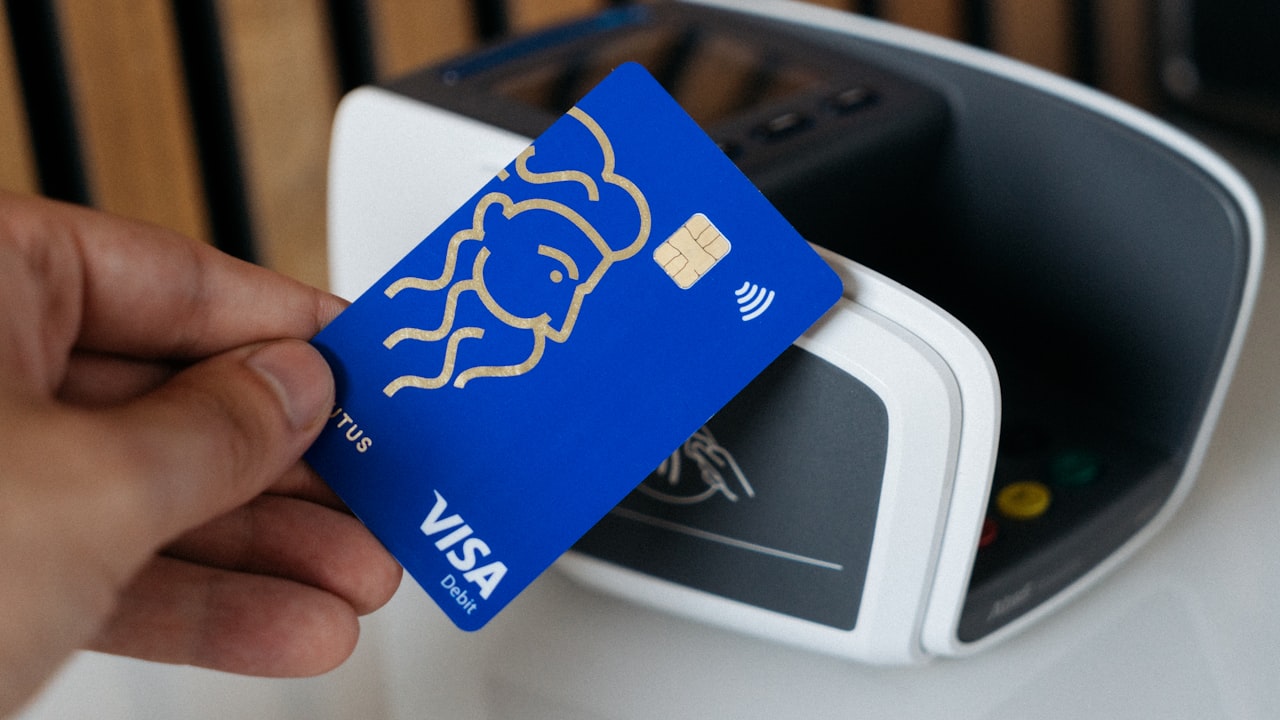
This is fundamentally different from Coinbase and Gemini. You don’t deposit crypto onto ether.fi’s servers. You connect your own wallet, and the card taps that balance for payments. If ether.fi vanishes tomorrow, your ETH is still yours — you control the private keys.
Why it matters: Non-custodial crypto cards are rare because they’re harder to operate. ether.fi solved the regulatory and technical challenges by partnering with licensed payment processors. The result: 0 % FX on USD and EUR, 1 % on all other currencies, and a $40 refundable deposit for the physical card (free for virtual).
Signal: ether.fi’s cashback accrues in real-time, and you earn it while maintaining full custody. This combination — yield + spending + self-sovereignty — is unique in the crypto-card space.
ether.fi Cash is available in 76+ regions and countries, though some jurisdictions are excluded (Belarus, Bangladesh, China, Cuba, Estonia, Finland, India, Iraq, Israel, Nepal, Netherlands, North Korea, Philippines, Russia, Syria, Turkey, Ukraine, Venezuela, Vietnam are prohibited). Check your location on ether.fi’s help center.
Sign up via
and start earning 3 % cashback without giving up your private keys.
Bleap vs ether.fi Cash: When Non-Custodial Matters
Bleap is another non-custodial crypto-card option that emerged as the market evolved. Like ether.fi Cash, Bleap’s value proposition centers on self-custody — you don’t deposit your crypto on a centralized exchange.
Alternative: Both ether.fi Cash and Bleap target users who want to avoid custody risk. Bleap’s specific features, fee structure, and country availability shift over time — verify the current details on Bleap’s official site rather than relying on outdated comparisons.
The bleap vs ether.fi cash debate often hinges on these factors:
- Supported networks: ether.fi is Ethereum-native; Bleap may support other blockchains.
- Cashback rates: ether.fi offers up to 3 %; Bleap’s rates may differ.
- Geographic reach: ether.fi covers 76+ regions; Bleap’s availability varies.
- Ecosystem integrations: ether.fi ties to ether.fi’s staking protocol; Bleap may have its own partnerships.
Both cards are Visa-based and require KYC. The key trade-off is not between the two cards themselves, but between non-custodial cards (ether.fi, Bleap) and custodial cards (Coinbase, Gemini). If you’re choosing between Bleap and ether.fi, compare their current terms directly — the market moves fast.
Bleap vs Gnosis Pay: The Broader Non-Custodial Landscape
Gnosis Pay pioneered non-custodial payments on Ethereum but pivoted to B2B partnerships in 2025, stepping back from direct-to-consumer cards. The bleap vs gnosis pay comparison is less relevant today unless you’re in the EU (via Zeal) or Brazil (via Picnic), where Gnosis Pay partnerships still operate.
Watch: Gnosis Pay’s shift signals that non-custodial card operations are hard to scale globally. Regulatory fragmentation, FX complexity, and payment processing costs push many teams toward regional partnerships or acquisition. ether.fi and Bleap continue as independent operators; watch for consolidation or new entrants as the market matures.
The larger pattern: non-custodial cards require serious infrastructure (wallet integration, licensed payment processors, regulatory compliance per region). Coinbase and Gemini can leverage their exchange backends. Standalone cards like ether.fi and Bleap must build or partner for every feature. This explains why ether.fi’s ecosystem play — partnering with staking, DeFi, and payments providers — is crucial to its survival.
Signal: If you prioritize non-custodial over all else, ether.fi Cash is your most mature option today. Bleap is worth exploring if their network or rate structure fits better. Gnosis Pay is worth mentioning as a proof-of-concept, but direct signup is limited.
Coinbase vs Gemini vs ether.fi: Direct Comparison
Here’s the decision tree:
Pick Coinbase Card if:
- You’re already a Coinbase user and trade actively.
- You can max out the 3-month 50 % fee rebate period before rates drop.
- You’re comfortable with custodial crypto (exchange holds your keys).
- You need US-first availability and standard Visa perks.
Pick Gemini Card if:
- You prefer Gemini’s trading interface and security model.
- Enterprise-grade custody appeals to you.
- You want institutional-grade infrastructure over DIY security.
Pick ether.fi Cash if:
- You want to hold your own keys while earning cashback.
- 3 % on spend + staking rewards matter more than a time-limited fee rebate.
- You’re in one of the 76+ eligible regions.
- You value self-sovereignty over convenience.
Key metric: The total value of each card over 12 months depends on your spending volume. A custodial card’s first-3-month bonus fades fast. A non-custodial card’s 3 % cashback compounds if you spend regularly.
What to Watch: Fee Changes & New Competitors
Crypto-card markets evolve monthly. Keep an eye on:
- Coinbase’s 3-month window: Does it extend, shorten, or disappear as competition heats up?
- Gemini’s tier changes: Expect fee structures to shift with Gemini’s broader strategy.
- ether.fi’s country expansion: More regions = more users; watch for updates on ether.fi’s help center.
- Regulatory tightening: MiCA (EU), Operate Agreement (states), and BitLicenses will reshape what cards can offer.
- New entrants: Bleap, RedotPay, and others are innovating on custody + rewards. Incumbents will respond with feature releases.