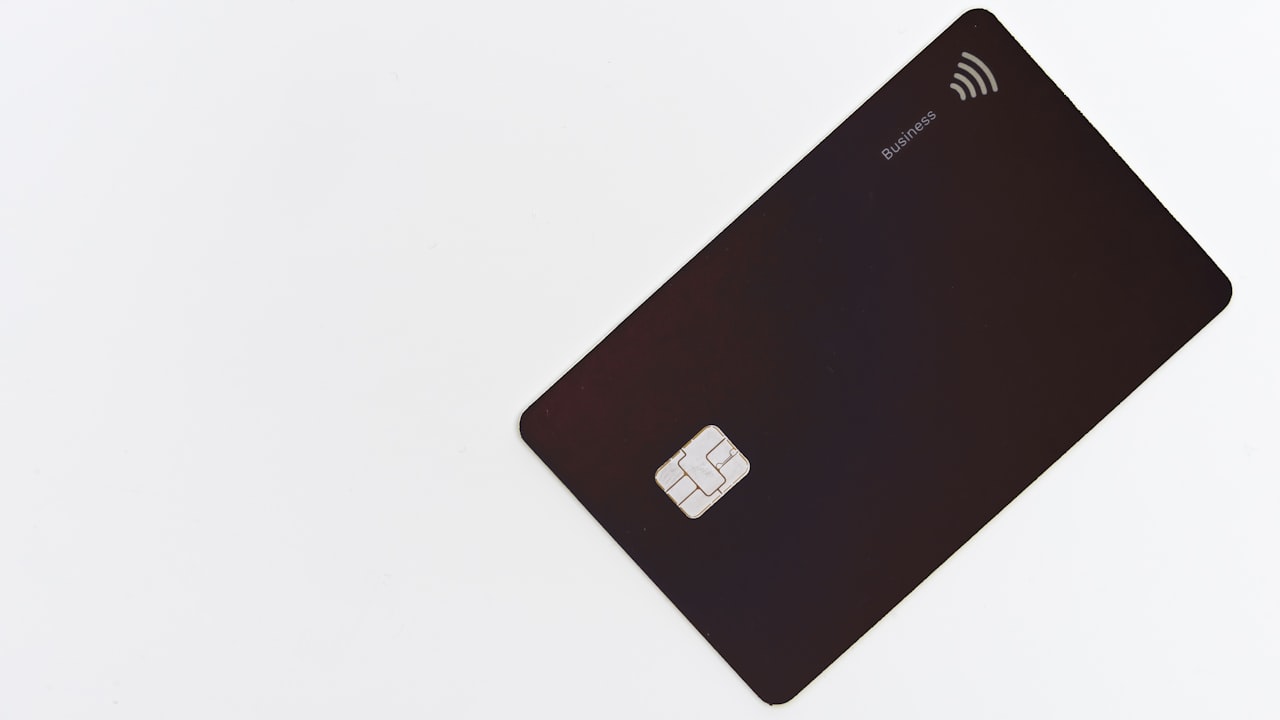
Why Daily Spenders Pick ether.fi Cash
Daily spending demand has shifted. Five years ago, crypto cards were novelties. Today, working professionals in the US, UK, and EU use them for every latte, fuel tank, and subscription—and expect yield on top of cashback.
ether.fi Cash is built for this moment. Unlike traditional crypto cards that just hold a balance, ether.fi syncs with Ethereum staking: your ETH earns validator rewards while you spend it. The up to 3 % cashback is the floor, but the **** is where daily spenders actually win.
Signal: If you spend $100/week on groceries and dining, you’re looking at ~$24/year in unearned cashback on flat-rate cards. ether.fi’s rotating promos close that gap in the first month.
Key metric: The 0 % FX on USD/EUR separates ether.fi from most competitors. Crypto.com charges 1 % cross-border; RedotPay adds 1.5 % on non-native pairs. On a $500 monthly cross-border spend (e.g., US→EU remittance), that’s $5 vs. $10–$15 in FX drag per month.
USDC vs. USDT: Which Stablecoin Pays More?
When daily spenders ask “can I use my USDC balance on this card,” they really mean two things: (1) Does the card accept it? (2) Do I lose money converting it?
ether.fi Cash answers both. It accepts USDC, USDT, and USDC.e (Ethereum and Scroll), but there’s a nuance:
- Spend in USD or EUR? 0 % FX → use either stablecoin guilt-free.
- Spend in another currency (GBP, JPY, CHF)? 1 % FX → both USDC and USDT cost the same.
- Cashback redemption? Both stablecoins earn the same up to 3 % base + tier bonuses.
Why it matters: Online forums often claim RedotPay “supports more coins.” True—but it charges 1.5 % FX on USDC and doesn’t offer the staking-cashback combo. If you’re comparing best crypto card for USDC vs. best crypto card for USDT, the answer is the same: pick the card with the lowest FX and highest cashback rate. ether.fi offers 0 % FX + up to 3 % for both.
Risk: If you hold USDC on Polygon or Optimism (not Ethereum), ether.fi requires a bridge to mainnet or Scroll. No direct support for sidechain USDC yet. Plan for a 2–5 minute bridge-and-send workflow before spending.
Watch: USDT on Tron (USDt) is the most liquid stablecoin globally, but ether.fi doesn’t support Tron assets. If you’re a Tron hodler, check competitor support before signing up.
Comparison: ether.fi vs. RedotPay, Crypto.com & Coinbase
Three cards compete for daily-spending dominance. Here’s the decision tree:
ether.fi Cash → pick this if:
- You want yield + cashback (non-custodial staking).
- You spend in USD or EUR (0 % FX beats alternatives).
- You’re in a supported country (check the 76 nations + 50 US states above).
- You have at least 32 ETH or a willingness to stake via ether.fi’s liquid-staking partner.
RedotPay → pick this if:
- You want tiered cashback (up to 40 % on tier 4, but monthly capped).
- You trade actively and want cashback on every USD spent.
- You can tolerate the 1.5 % FX hit on non-native currencies.
Crypto.com → pick this if:
- You’re in a curated-only jurisdiction (Crypto.com is selective on country approvals).
- You want to stake CRO and unlock tiers (similar to ether.fi’s ETH staking model).
Coinbase Card → pick this if:
- You live in the US only (limited international support).
- You want the simplest onboarding (no KYC wait, instant virtual card).
- Cashback is secondary; the card is a spending tool, not a yield engine.
Alternative: For non-Ethereum ecosystems (Solana, Bitcoin, Polygon), neither ether.fi nor RedotPay are ideal. Crypto.com and Bybit have broader token support—but sacrifice the non-custodial privacy angle.
Fee Breakdown: Real Cost of Daily Spending
Let’s model a realistic monthly budget and compare take-home value:
Scenario: $2,000/month spend across four categories:
- Groceries / dining: $500
- Bills / rent: $1,000 (ether.fi base rate up to 3 %)
- Gas / transport: $300 (ether.fi base rate up to 3 %)
- International transfer: $200 USD→EUR (0 % FX ether.fi; 1 % FX Crypto.com; 1.5 % FX RedotPay)
Cashback received (ether.fi):
- Dining (promo): ~$75
- Bills + gas (base): ~$39
- FX drag: $0
- Total monthly earn: ~$114
Cashback received (Crypto.com):
- All categories: $2,000 × 2–4 % = $40–$80 (tier-dependent)
- FX cost on $200 cross-border: −$2 (fee)
- Total monthly earn: ~$38–$78
Cashback received (RedotPay):
- Tier 2 (10 % monthly cap / $200): ~$20 capped
- FX cost on $200: −$3 (fee)
- Total monthly earn: ~$17
Key metric: Over one year, ether.fi’s 0 % FX + up to 3 % base saves $960–$1,152 vs. competitors charging 1–1.5 % FX with lower tiers. The gap widens if you spend in non-USD/EUR currencies regularly.
What to Watch
- ether.fi’s staking yield fluctuates with Ethereum validator demand. If you withdraw and re-stake elsewhere, you lose cashback eligibility for 7 days. Track yield changes before major rebalances. Keep an eye on in-app announcements to catch new high-yield categories.
- USDC bridge updates: Ethereum L2 bridges (Optimism, Arbitrum, Base) see regular upgrades. If you hold USDC off-chain, confirm bridge compatibility with your exchange before transfer.
- Country expansion: ether.fi added 12 new countries in 2024 and is expanding into LATAM. If you’re on the waiting list, check the supported countries page monthly.
- FX surprises: Some merchants (especially in emerging markets) categorize USD spends as non-USD transactions. This can trigger the 1 % FX fee unexpectedly. Test a small transaction before going all-in.
Bottom Line
- If you spend $1,000+/month in USD/EUR, ether.fi’s 0 % FX + up to 3 % cashback + staking yield captures $120–$180/year in value. No other non-custodial card offers this three-part stack.
- If you hold USDC or USDT and want a self-custody card, ether.fi offers 0 % FX on USD/EUR conversions. RedotPay charges 1.5 % FX; Crypto.com is custodial.
- If you prioritize simplicity over yield, Coinbase Card or Crypto.com will feel faster—but you trade non-custodial privacy and earning potential for easier onboarding.
- If you fit the profile—crypto-native, ETH holder, international spender—ether.fi Cash unlocks earning power you didn’t know you had. Sign up via the link above to get started.
FAQ
-
Q: Does ether.fi work with USDC on Polygon? A: Not directly. ether.fi only accepts USDC on Ethereum mainnet and Scroll. If your USDC is on Polygon, use a bridge like Across or Stargate to move it to mainnet first (usually 2–5 minutes + $2–$5 gas).
-
Q: How is ether.fi’s 0% FX different from Wise or PayPal? A: Wise and PayPal charge 0–1 % FX but require bank-linked fiat accounts. ether.fi chains directly to your self-custody wallet—no bank intermediary. Neither is universally “better”—pick based on where your money lives.
-
Q: Can I use USDT instead of USDC on ether.fi? A: Yes. Both earn up to 3 % cashback and face 1 % FX on non-USD/EUR currencies. No performance difference. USDT is more liquid on exchanges; USDC is used more in DeFi. Either works fine for daily spending.
-
Q: What happens to my cashback if ether.fi’s validator loses its deposit? A: ether.fi uses a network of independent validators (not a single entity). If one goes offline, your card keeps working—your stake is reshuffled across the pool. Cashback accrues normally. Non-custodial design protects you: your ETH is yours regardless of ether.fi’s operational status.
-
Q: Is up to 3% cashback enough, or should I wait for better rates? A: Historically, crypto-card cashback has ranged 1–5 %. ether.fi’s up to 3 % + up to 15 % promos + staking yield hasn’t been matched since 2024. RedotPay offers higher tier rates (up to 40 %), but monthly caps limit upside. For typical daily use ($1,500–$3,000/month), ether.fi is competitive; high-volume spenders may prefer RedotPay.
-
Q: How long does ether.fi KYC take? A: Typically 5–15 minutes (government ID + liveness check). Physical card ships in 15+ business days standard, or 1–3 days if you upgrade to Pinnacle tier. Virtual card activates on approval.
Risk + Disclosure
FTC Notice: DefyCard earns affiliate commissions from ether.fi when you open an account via our links. This does not affect your fees or card terms—we disclose because the FTC requires it.
Crypto-Asset Volatility: While your card balance is held in stablecoins (USDC/USDT), your underlying ether.fi stake is ETH, which can swing ±10 % in a week. Your card spending power is not affected, but your future cashback yield depends on Ethereum’s validator demand and staking rewards—both volatile. Never stake more ETH than you’re comfortable seeing fluctuate.
Country Restrictions: ether.fi is not available in Belarus, Bangladesh, China, Cuba, Estonia, Finland, India, Iraq, Israel, Nepal, Netherlands, North Korea, Philippines, Russia, Syria, Turkey, Ukraine, Venezuela, or Vietnam, and in 21 US states (AZ, DE, GA, ID, LA, MD, MS, MO, MT, NV, NM, ND, OH, OR, RI, SD, TN, VT, WA, WI). If you are in a restricted jurisdiction, we recommend Crypto.com or RedotPay as alternatives.
Last Verified: 2026-05-19